
Science
Science news
Fish Sleep Reveals Four Distinct States, Including Eye Movements
A study on zebrafish uncovers that these animals experience four sleep states, some with eye movements, challenging previous beliefs about animal sleep.
How flowering plants survived the asteroid that wiped out the dinosaurs
A study led by Belgian scientists uncovers how some plant species endured the mass extinction 66 million years ago.
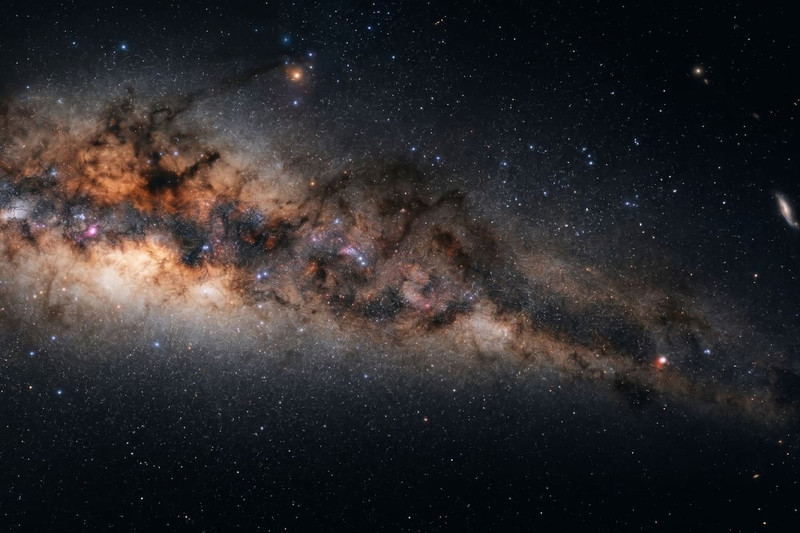
The Milky Way Has a Boundary, and Scientists Have Just Mapped It
An international team of astronomers has identified the galaxy's outer edge for the first time, where star formation stops and stars age as they migrate outward.
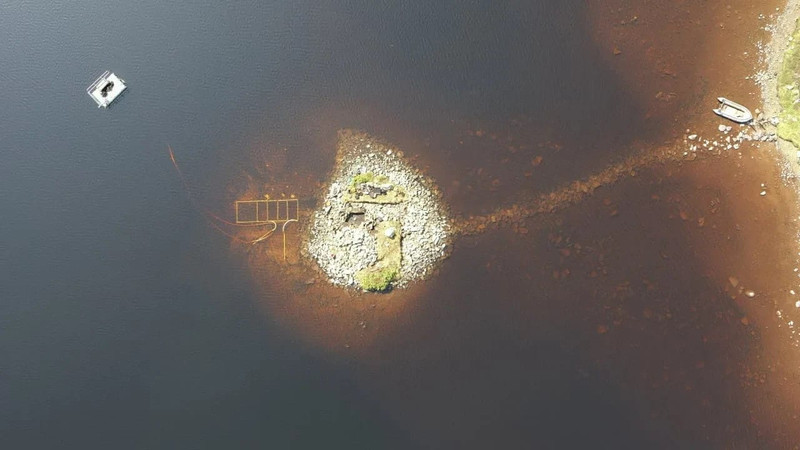
Ancient artificial island found in Scotland, older than Stonehenge
Archaeologists uncovered a structure in Loch Bhorgastail that challenges previous ideas about Neolithic monuments.
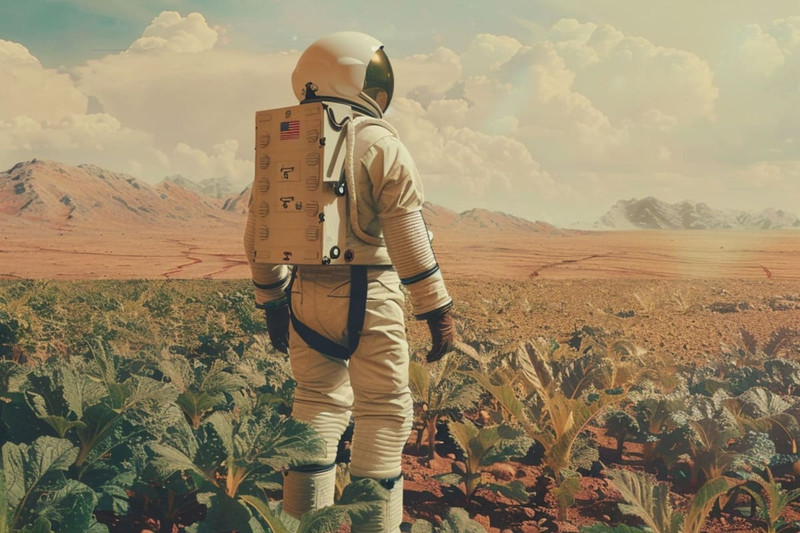
NASA launches global challenge to produce food for space missions
The agency offers thousands of dollars to develop self-sufficient systems to feed astronauts on Mars and the Moon.
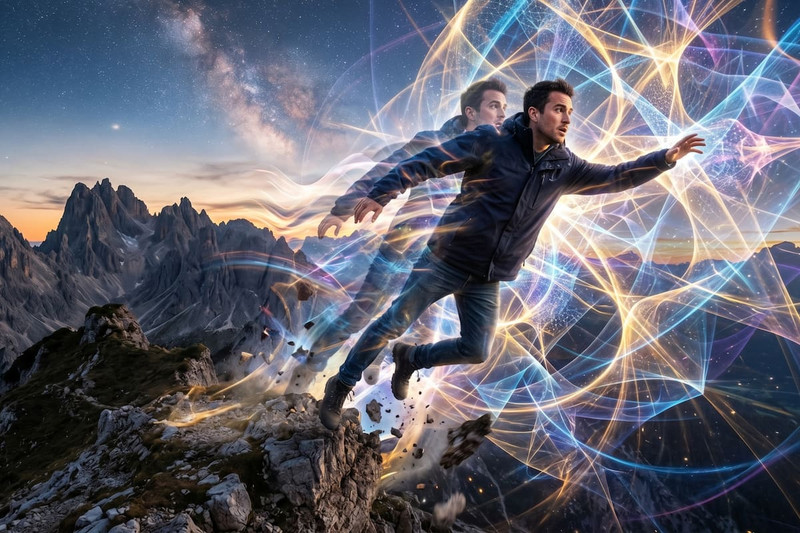
Scientists propose a gateway to the fifth dimension in the universe
A team of physicists from Spain and Germany suggests that fermions could cross into a deformed extra dimension, explaining dark matter.
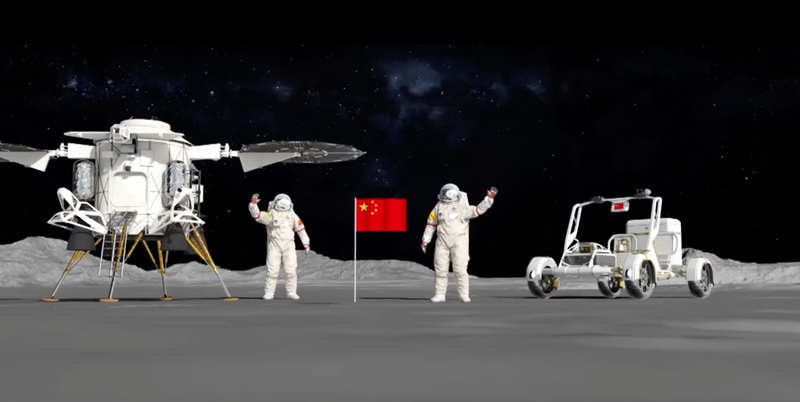
China unveils humanoid robot for Moon mission in 2030
China announced a new AI-powered humanoid robot that will be sent to the Moon as part of its Chang’e-8 mission scheduled for 2030.
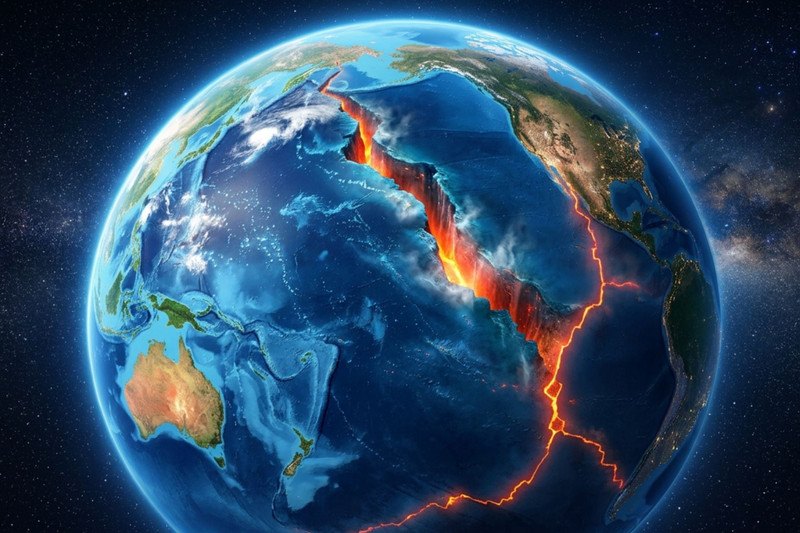
Active fault zone under the Pacific may reshape the planet
Scientists found a subduction zone actively disintegrating off Canada, raising questions about future seismic risks and Earth's dynamics.
Loki: An Ancient Chaotic Stellar System Hidden in the Milky Way
An international team identified remnants of a dwarf galaxy that collided with the Milky Way over 10 billion years ago, shedding light on its violent past.
Scientists detect a strange chirp from deep space in a supernova
An international team discovered an unprecedented signal in a supernova a billion light-years away, challenging current physics theories.
Ghost particles may hide their mass in an inaccessible hidden dimension
A new hypothesis suggests neutrinos, known as ghost particles, store their mass in a hidden, inaccessible dimension, potentially changing our understanding of the universe.

Hubble uncovers a spiral galaxy with a supermassive black hole
NASA released an exclusive image of NGC 3137, a galaxy 53 million light-years away with a core hosting a black hole of 60 million suns.