
Science
Science news
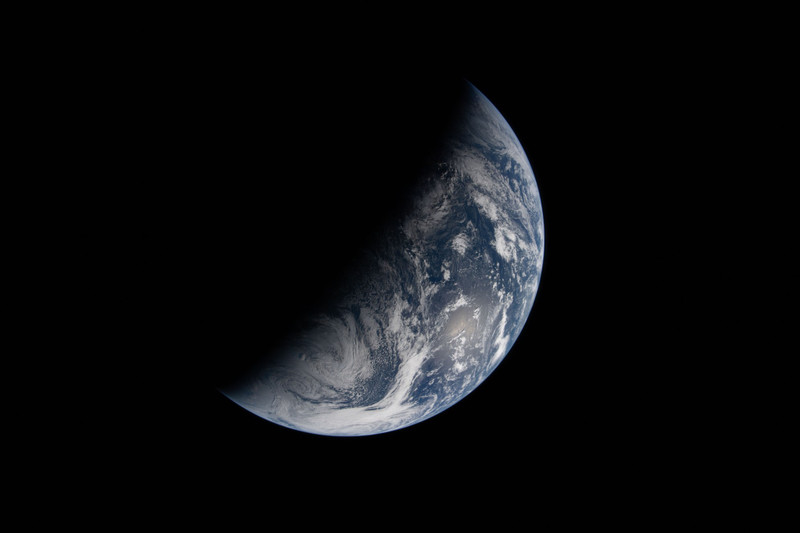
NASA shares a stunning view of Earth's terminator for Earth Day
On Earth Day, NASA released a striking image captured by Artemis II astronauts showing the line between night and day on our planet, taken in 2026.
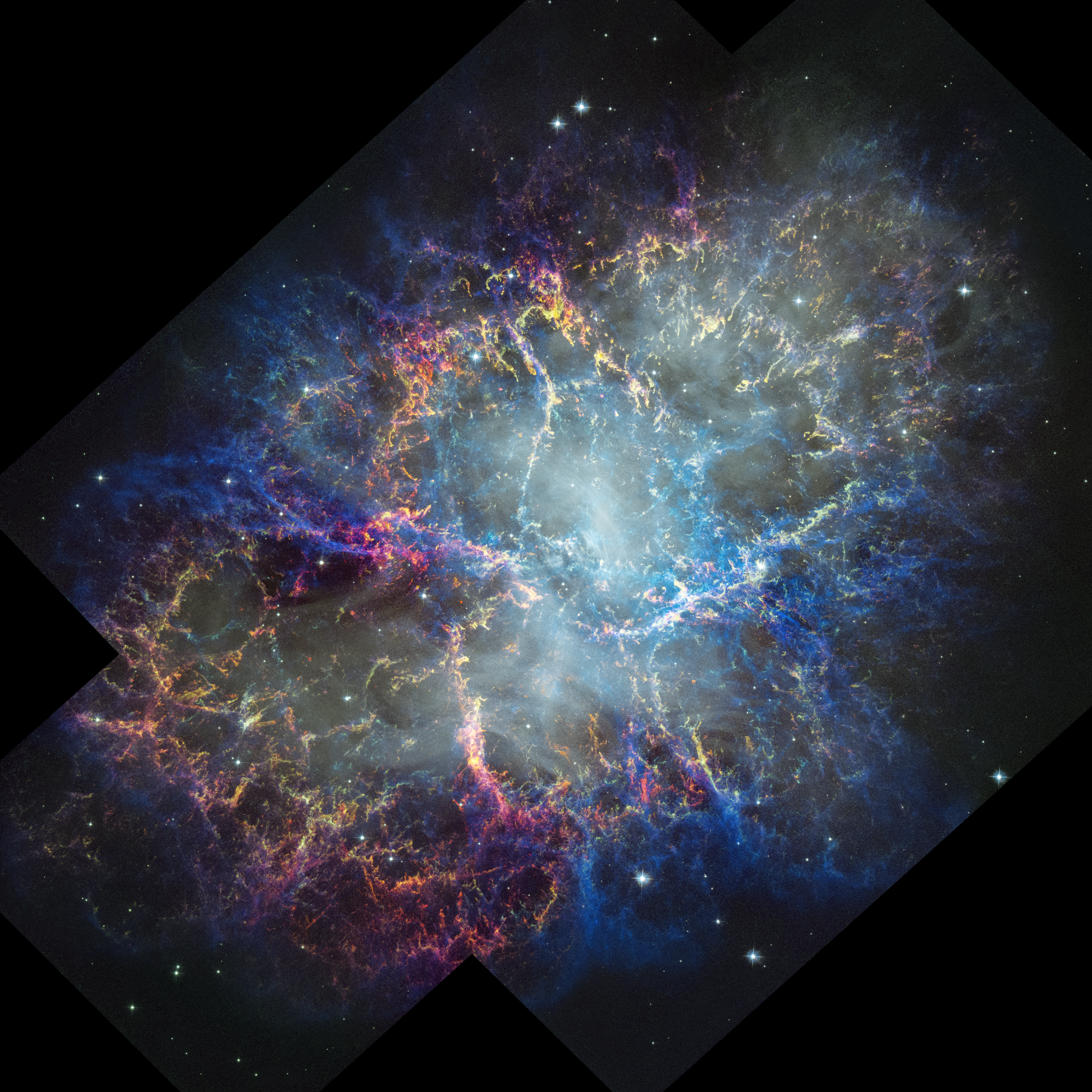
Hubble’s New Images Show the Crab Nebula’s Expansion Over 25 Years
Hubble’s latest image offers an unprecedented look at the Crab Nebula’s intricate structure and how it has expanded over the past quarter-century.

Progress 95 Launch and Docking at the ISS Scheduled for April 26
Progress 95, carrying nearly three tons of supplies, will launch from Kazakhstan and arrive at the ISS in two days.
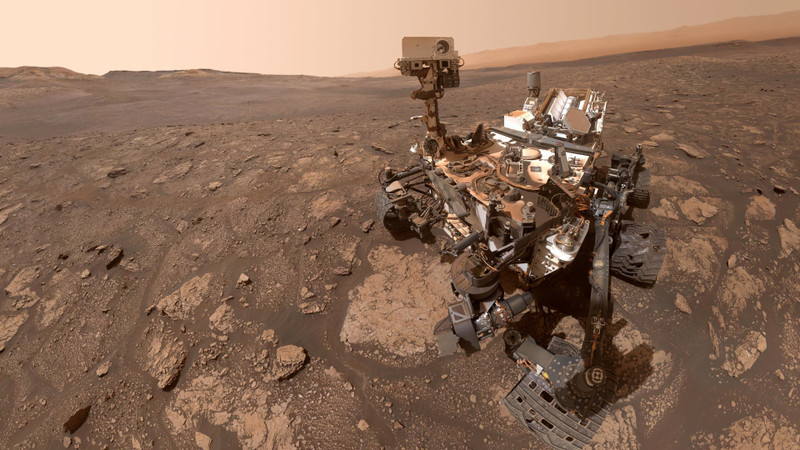
NASA Finds New Organic Compounds in Martian Rocks with Curiosity
Curiosity detected over 20 organic molecules in ancient Martian rocks using an innovative chemical technique, revealing organic survival on Mars.

Sleeping just four hours without health issues, a rare genetic trait in 1%
A small percentage of people can function on only four hours of sleep thanks to a genetic mutation. For most, more rest is essential for health.

AES 128 remains secure in a post-quantum world
Despite advances in quantum computing, experts confirm that AES 128 still offers strong protection today.
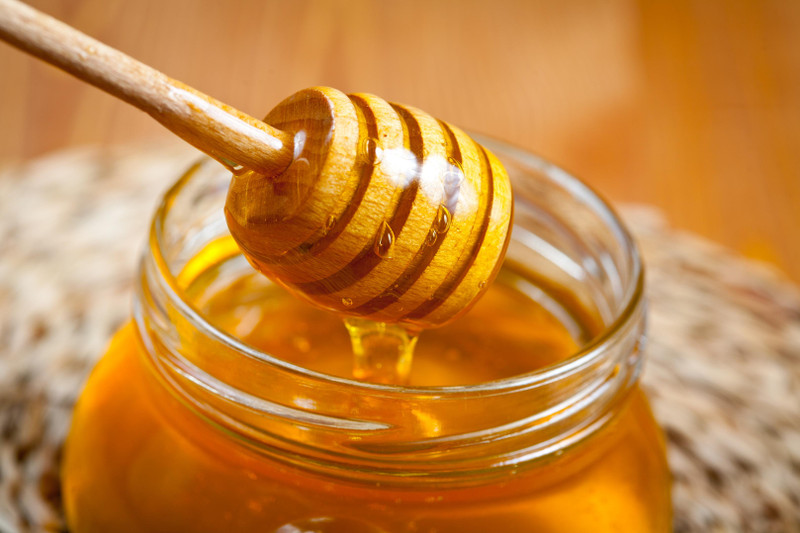
False rumors about honey curing Alzheimer's spread online
Recently, false reports, including a fake CNN screenshot, claim that a honey-based product can cure Alzheimer's disease. No evidence supports this.

SpaceX IPO: a trillion-dollar gamble on the future of space
SpaceX is preparing for its IPO, allowing retail investors to buy into one of the most innovative and controversial space companies. Valuations exceed a trillion dollars, sparking excitement and debate.
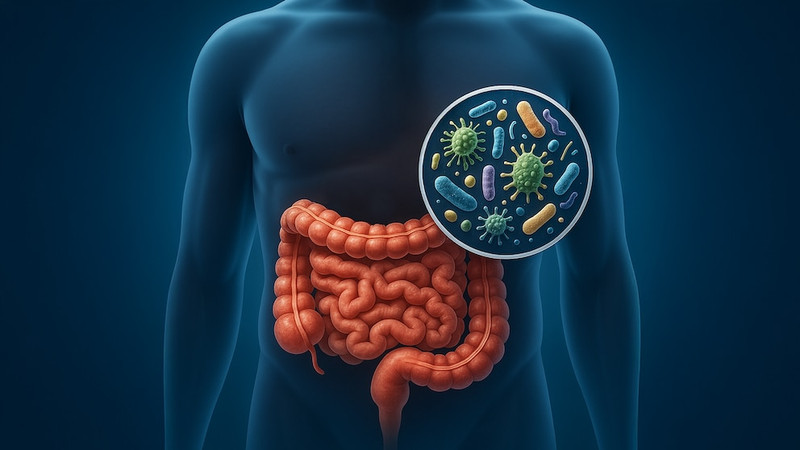
Study Finds Gut Microbiome Could Predict Parkinson's Risk Early
Researchers in the UK discovered that gut bacteria might help identify those at higher risk of Parkinson before symptoms appear. The study, published in Nature Medicine, analyzed samples from diagnosed patients, GBA1 gene carriers without symptoms, and healthy volunteers, revealing key differences in their microbiomes.

Global Solar Growth Reaches Record High in 2025
The International Energy Agency confirms that 2025 was the year solar energy took the lead worldwide, marking a major shift in the energy landscape.

Study Shows How the Red Hair Gene Spread in Europe 4,000 Years Ago
A recent analysis of ancient and modern DNA reveals that the MC1R gene, linked to red hair and light skin, was favored in Europe over 4,000 years ago to help synthesize vitamin D in low sunlight areas.
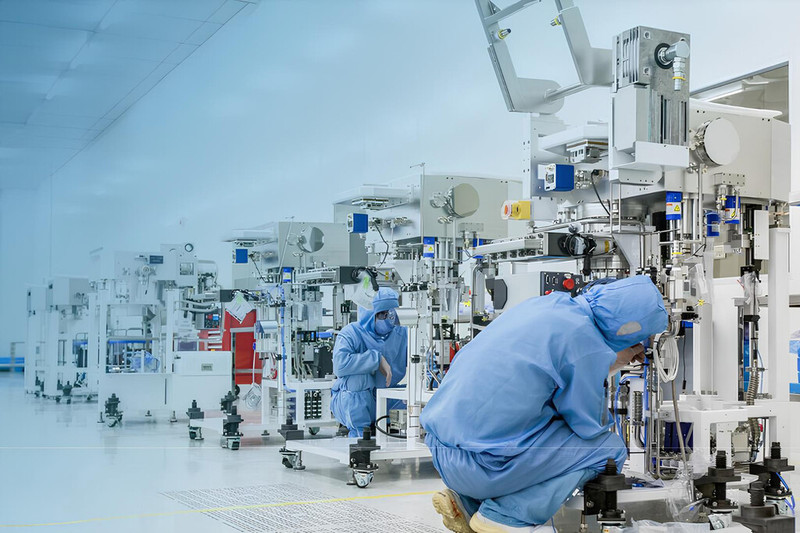
China makes strides toward semiconductor independence
Foreign lithography equipment sales in China are declining as the country pushes to develop its local industry and reduce reliance.