
Science
Science news
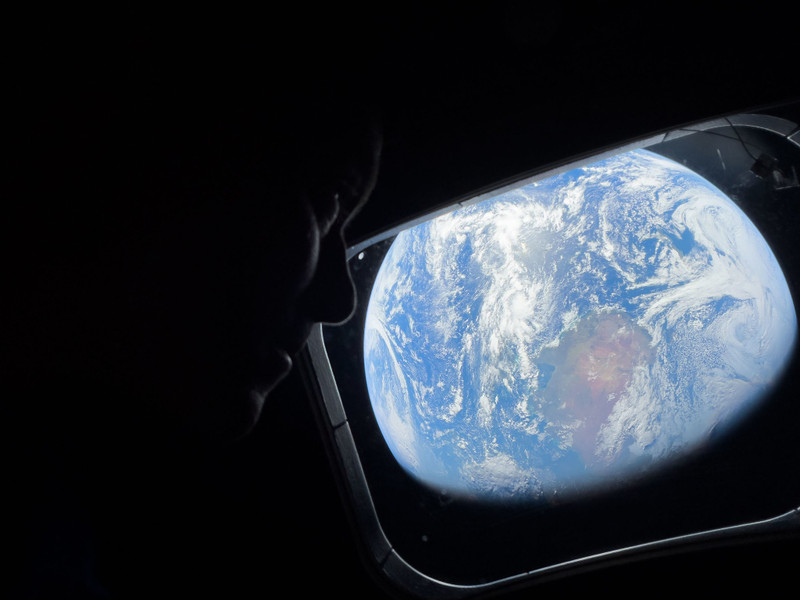
NASA Shares Stunning Photos Shot on iPhone 17 Pro Max During Artemis II Mission to the Moon
NASA has released three spectacular photographs taken with the iPhone 17 Pro Max by astronauts on the Artemis II mission, marking a milestone in integrating consumer technology into space exploration and offering a unique perspective of Earth from space.
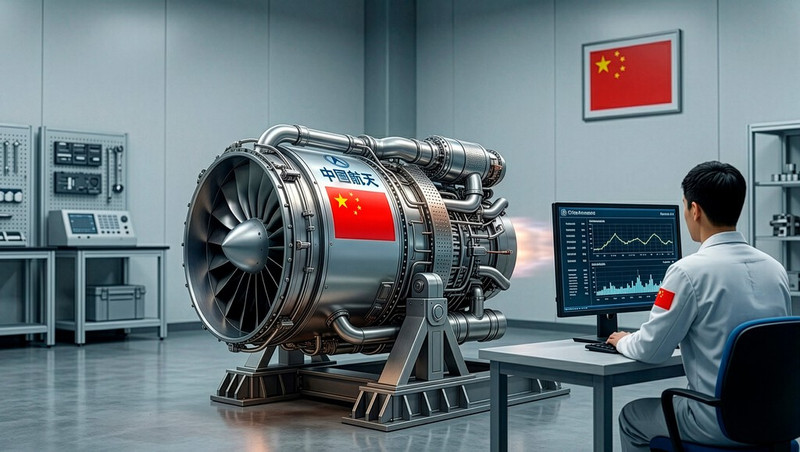
China Leads the Hypersonic Race with a Revolutionary All-Speed Engine
China has unveiled a prototype "contra-rotary ramjet engine" capable of propelling aircraft from takeoff to hypersonic speeds beyond Mach 6, marking a significant milestone after three decades of research. This breakthrough aims to overcome the limitations of traditional propulsion systems, offering a unified and more efficient solution for the future of military aviation.

NASA Approves iPhone 17 Pro Max for Artemis II Mission: A New Era for Commercial Tech in Space
Early images from the Artemis II mission revealed an iPhone 17 Pro Max, marking the first time NASA has approved a commercial smartphone for crew use in space. This significant development highlights the agency's rigorous qualification process and the increasing integration of consumer technology into space exploration.
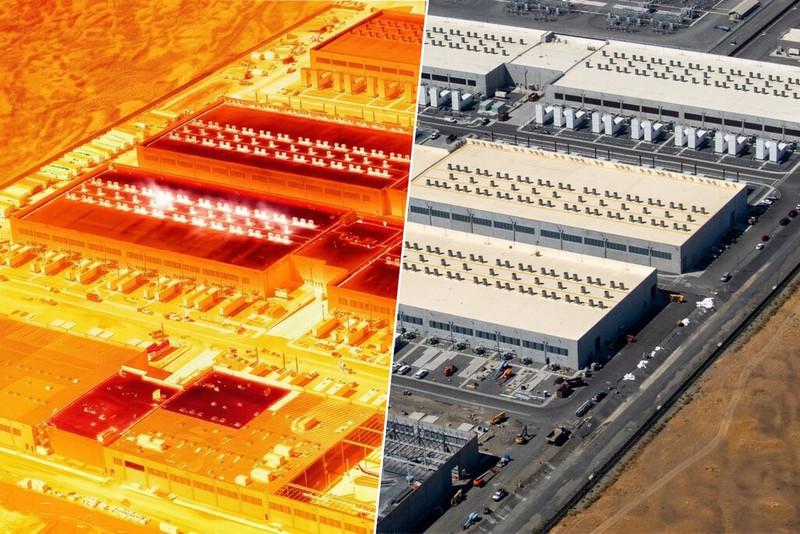
Data Centers: The Unexpected 'Heaters' Accelerating Climate Change
Data centers, the backbone of our digital age, are emerging as unexpected 'heat islands,' generating significant environmental impact. A recent study reveals temperature increases of up to 9°C in their vicinity, a worrying phenomenon affecting regions like Aragón, Spain, despite its already warm climate.
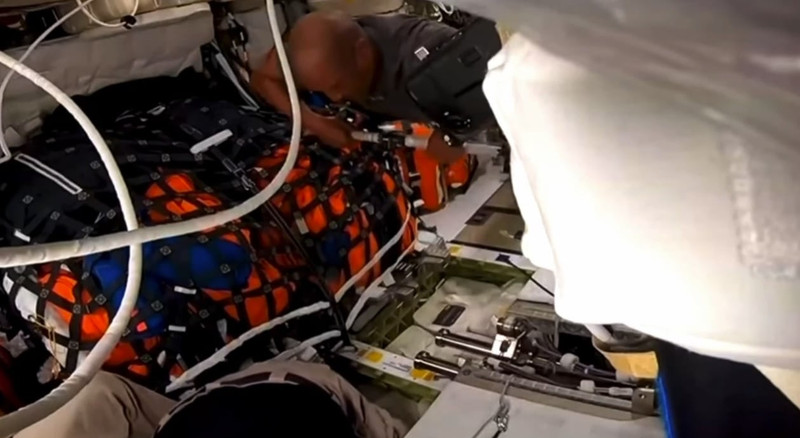
How Artemis II Astronauts Train to Safeguard Muscles and Bones in Deep Space
Astronauts on the Artemis II mission, marking humanity's return to lunar orbit, are undergoing a rigorous physical training regimen to counteract the devastating effects of microgravity on their muscles and bones, utilizing innovative technology like the inertia flywheel.

The Astonishing Fish That Scales Fifteen-Meter Waterfalls: A Groundbreaking Scientific Discovery
A tiny fish from Central Africa, Parakneria thysi, has been documented for the first time vertically climbing 15-meter waterfalls, unraveling a decades-old mystery and redefining the limits of biological adaptation.
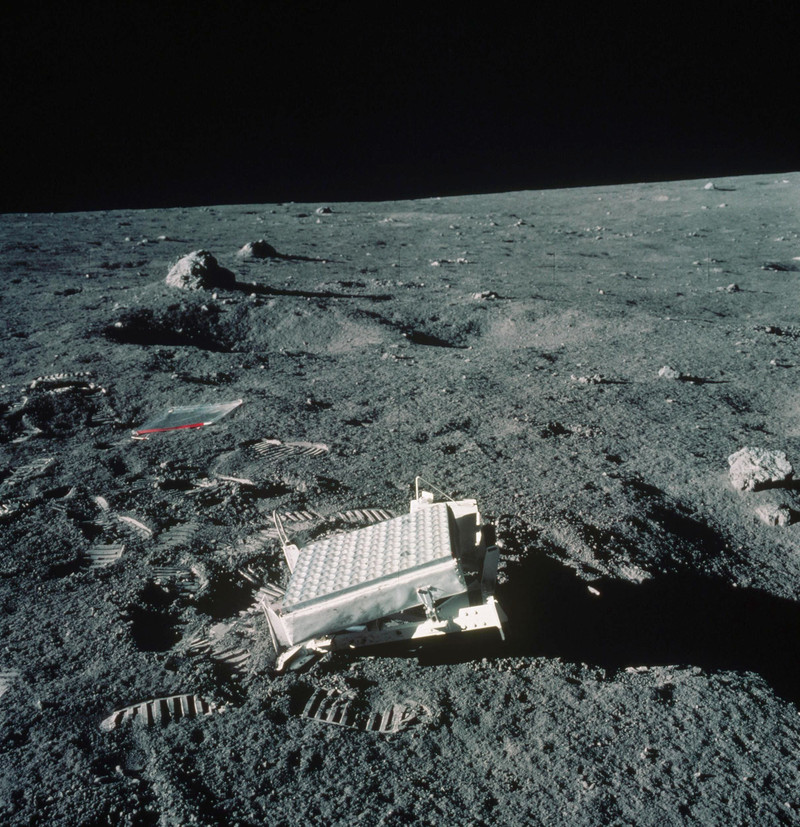
Artemis II: The Moon's Return and the Resurgence of Conspiracy Theories
The impending Artemis II mission, aiming to return humanity to the Moon, is set to rekindle old conspiracy theories about lunar landings. Amidst this debate, a crucial piece of evidence is often overlooked.
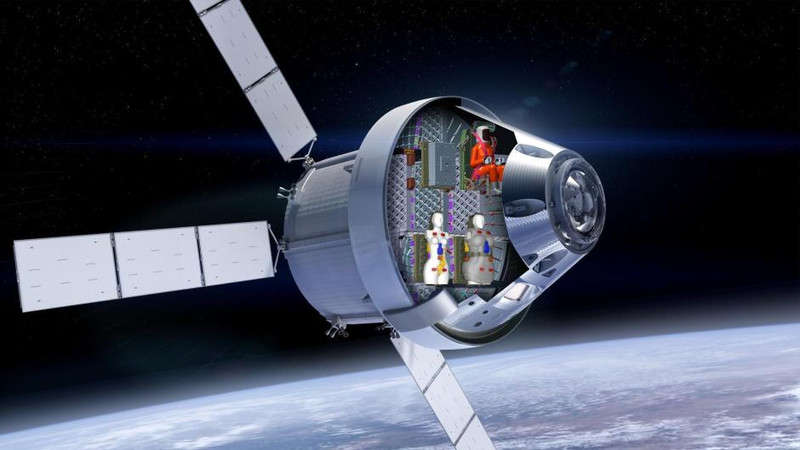
Artemis II's Quiet Revolution: How NASA Solved the Space Bathroom Challenge
The Artemis II mission marks a milestone not only in lunar exploration but also in astronauts' daily lives, by incorporating a permanent and private sanitation system into the Orion capsule for the first time, overcoming the rudimentary and "objectionable" solutions of the Apollo era.

Lithium-Air Batteries: A New Era of Energy Storage Promising 10x More Capacity
Researchers in South Korea have developed an innovative lithium-air battery technology that promises to store up to ten times more energy than current lithium-ion batteries, thanks to a modified tungsten diselenide catalyst. This breakthrough could revolutionize electric vehicles and renewable energy systems.
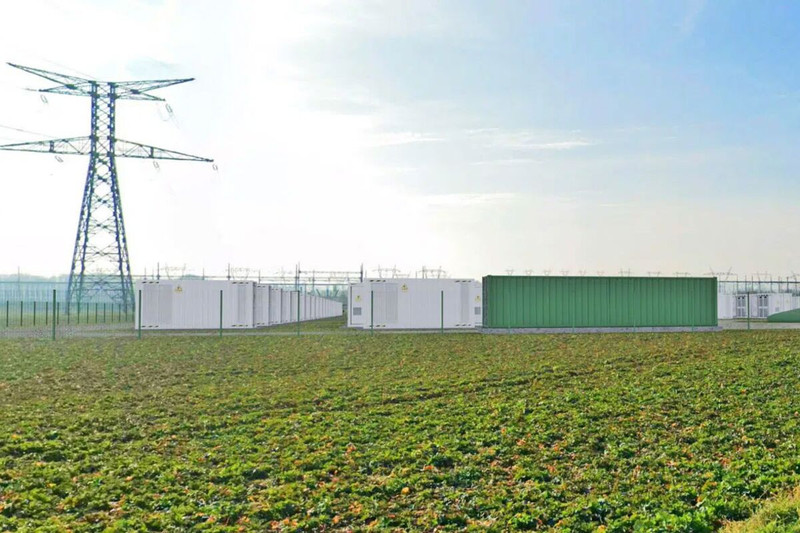
Neoen to Build France’s Largest Battery Amid Strained Power Grid
Renewable energy developer Neoen is set to build France’s largest battery, a pivotal project designed to store increasing solar and wind generation and alleviate strain on the national power grid.
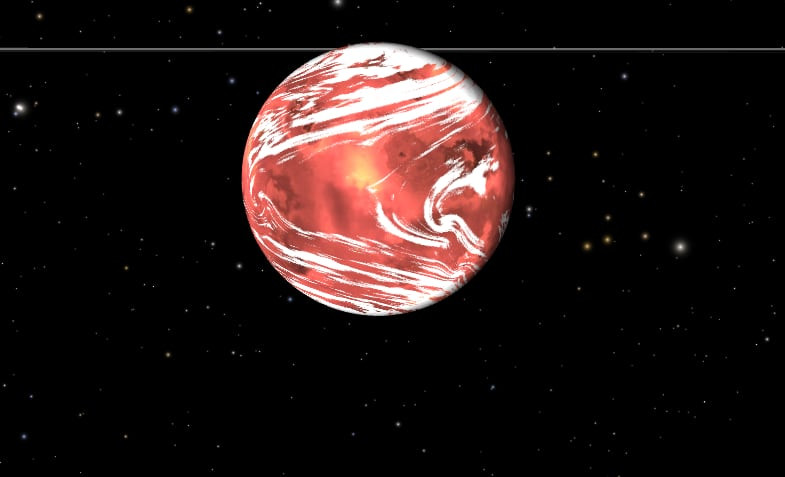
L 98-59 d: The Exoplanet with Magma Oceans and a 'Rotten Egg' Atmosphere Challenging Science
An international team of scientists, utilizing the James Webb Space Telescope, has discovered L 98-59 d, an exoplanet 35 light-years from Earth with temperatures exceeding 1,900 degrees Celsius and an atmosphere rich in hydrogen sulfide, giving it a 'rotten egg' smell. This unique world, featuring magma oceans, redefines our understanding of planetary diversity.

"Zombie" Cells: The Revolutionary Technique That Could Revive Bacteria and Transform Synthetic Biology
A research team has successfully reanimated inert bacteria by completely replacing their genomes between species, a breakthrough using "zombie cells" to open new frontiers in microbial engineering and synthetic biology.