
NASA Shares Stunning Photos Shot on iPhone 17 Pro Max During Artemis II Mission to the Moon
NASA has released three spectacular photographs taken with the iPhone 17 Pro Max by astronauts on the Artemis II mission, marking a milestone in integrating consumer technology into space exploration and offering a unique perspective of Earth from space.
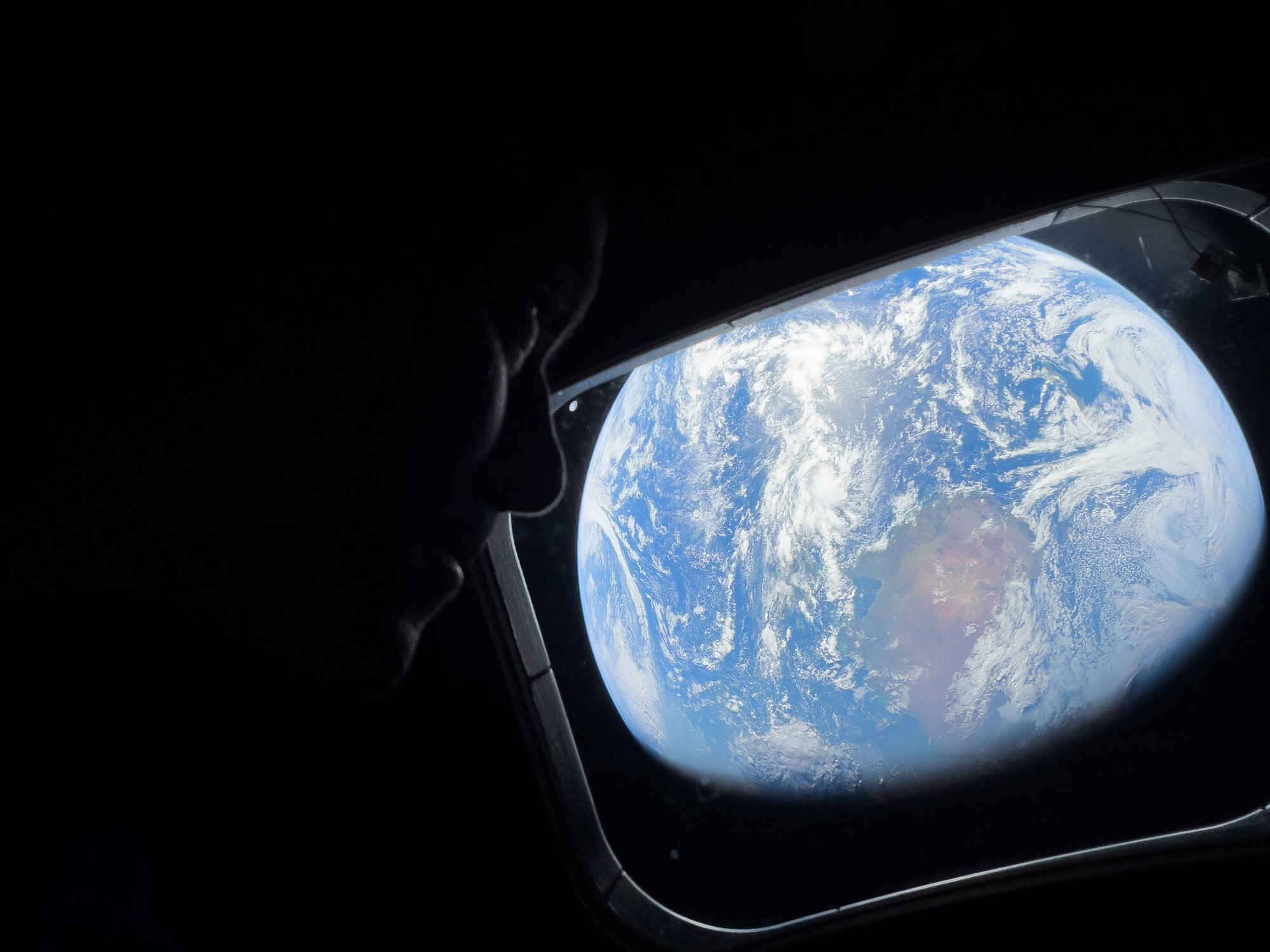
Space exploration and consumer technology are converging in a fascinating way, as evidenced by NASA's recent announcement. The space agency has shared three incredible photos captured with an iPhone 17 Pro Max by astronauts aboard the Artemis II mission during their historic journey to the Moon. These images not only offer a breathtaking view of our home planet but also underscore the growing capability of modern mobile devices to document crucial moments even in the most extreme environments.
The iPhone 17 Pro Max: A Qualified Companion for Space
The presence of the iPhone 17 Pro Max on a space mission of this magnitude is no accident. As early as February, NASA had announced that the iPhone had been fully qualified for extended use in orbit, a testament to its robustness and technological reliability. Reports indicate that each of the four crew members aboard the Orion capsule is equipped with an iPhone 17 Pro Max. These devices are primarily intended for capturing personal photos and videos, allowing astronauts to document their experience in a more intimate and accessible way, sharing their journey with the world like never before.
Iconic Shots from the Orion Spacecraft
The photographs shared by NASA are particularly poignant. They show Artemis II Commander Reid Wiseman and Mission Specialist Christina Koch looking back at Earth through one of the Orion spacecraft's main cabin windows. Flickr data attached to these images confirms they were shot with the iPhone 17 Pro Max's front camera on April 2, which was the second day of the mission. These shots offer a personal and astonishing perspective of our blue home floating in the vastness of space, capturing the wonder and fragility of Earth from lunar orbit.
A Diverse Camera Ecosystem in Space
While the iPhone 17 Pro Max has garnered attention for these personal images, it's important to note that it's not the only photographic tool on board. The Artemis II mission employs a variety of imaging equipment to document its operations and discoveries. So far, other photos from the mission have been captured with high-end professional cameras such as the Nikon D5, Nikon Z 9, and GoPro HERO4 Black. This combination of devices, from advanced consumer cameras to professional gear, illustrates the diverse needs and photographic purposes in a space mission, allowing for both rigorous scientific documentation and the capture of more personal, spontaneous moments.
Artemis II: A Landmark in Lunar Exploration
The Artemis II mission represents a crucial chapter in the history of space exploration. It is NASA's first crewed mission to the Moon since 1972, marking humanity's return to the vicinity of our natural satellite. The crew is expected to reach the far side of the Moon on Monday, aiming to break the all-time record for the farthest distance traveled from Earth by humans. However, it is crucial to remember that the Orion spacecraft is not capable of landing on the Moon. The mission focuses on a flyby and is set to return to Earth on April 10, paving the way for future lunar landing missions.
The Impact of Technology on Space Storytelling
The integration of the iPhone 17 Pro Max into the Artemis II mission is not just a technological anecdote; it's a reflection of how innovation in consumer devices is democratizing the ability to document and share extraordinary experiences. These photographs, taken with a device so familiar to millions of people, bring the immensity of space closer to our daily lives, inspiring new generations and offering a more personal window into the audacity of human exploration. NASA continues to push the boundaries of what's possible, and with every shared image, it invites us to be part of this epic journey.
Related articles
NASA Reveals New Path for Earth's Essential Life Elements
A recent study, published in Science Advances, uncovers how early Earth may have received phosphorus and nitrogen, highlighting Jupiter's critical role.
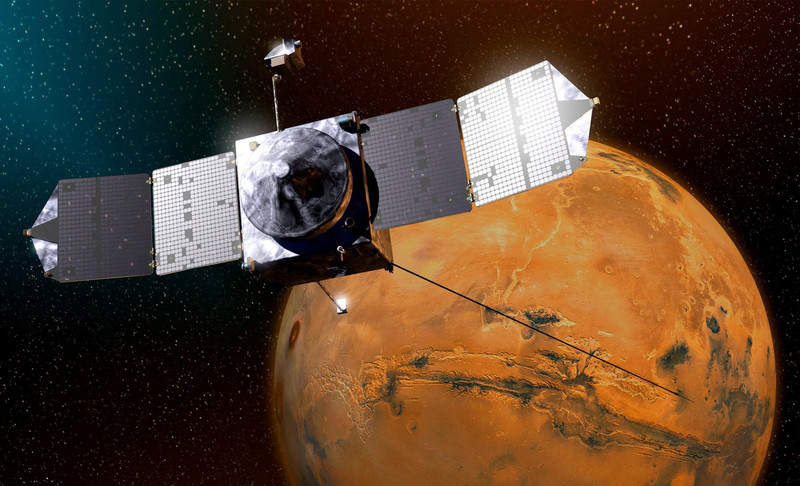
NASA's Maven Mars Orbiter Declared Out of Service After Six Months of Silence
Following an anomaly that disrupted its orbit and depleted its batteries, the Maven spacecraft, vital for understanding Mars' atmosphere, has ended its active mission. Its scientific data remains an invaluable legacy.
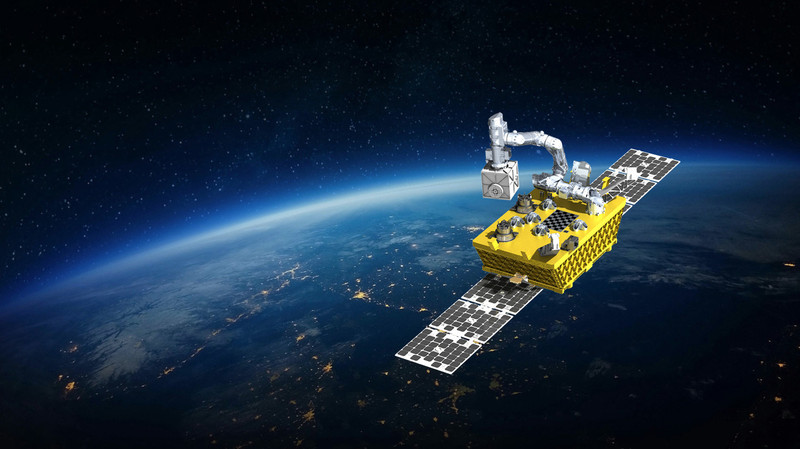
NASA Space Robotics Challenge
NASA invites U.S. researchers to submit proposals for experiments using a robotic arm that will be sent to low Earth orbit as part of the Fly Foundational Robots mission.
Latest news
View all
Stuntman Hollywood: Returns After 19 Years to PS5, Xbox Series, and PC
The iconic action and vehicular stunt franchise makes its comeback courtesy of Saber Interactive, promising a dose of nostalgia and adrenaline for the new generation.

Windows Drops NTLM: Microsoft Boosts Security with Kerberos
Microsoft is taking a crucial step to bolster security in Windows 11, announcing the deprecation of NTLM, its oldest authentication protocol, in favor of Kerberos.

Google Launches Gemma 4 12B: Local AI for Your Laptop with 16GB RAM
Google's new artificial intelligence model aims to democratize access to generative AI, allowing it to run on average consumer computers.
Comments (0)
No comments yet. Be the first!
Leave a comment