
NASA's Maven Mars Orbiter Declared Out of Service After Six Months of Silence
Following an anomaly that disrupted its orbit and depleted its batteries, the Maven spacecraft, vital for understanding Mars' atmosphere, has ended its active mission. Its scientific data remains an invaluable legacy.
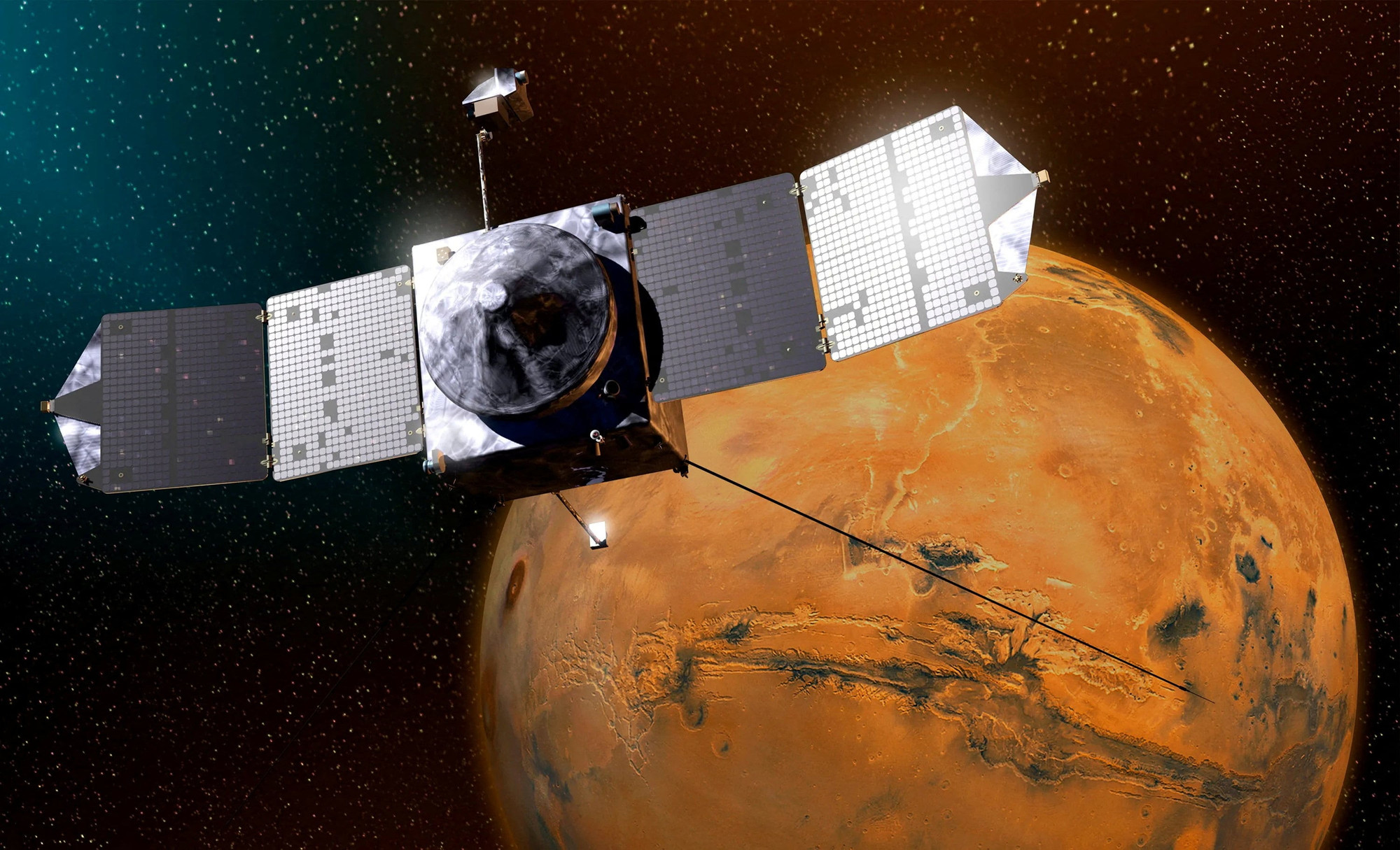
After six months of silence, NASA's Maven spacecraft has been declared out of service, following a technical anomaly that rendered it inoperable in Mars' orbit. The last contact with the probe occurred on December 6, when the Deep Space Network detected a brief signal reflecting the spacecraft's energy depletion, according to the failure's chronology.
The anomaly arose when Maven passed behind Mars, a critical moment that resulted in a rapid and uncontrolled rotation. This event disrupted its orbit and, more critically, completely drained its batteries. The spacecraft then entered safe mode, unable to re-establish communication with Earth.
An anomaly review board, convened earlier this year, confirmed the probe is irrecoverable after examining telemetry data.
An anomaly review board, convened earlier this year, confirmed the probe is irrecoverable after examining telemetry data. This ruling marks the end of a pioneering mission that provided us with unprecedented insights into the Red Planet's atmosphere.
Despite its operational cessation, Maven is estimated to remain in Martian orbit for 50 to 100 years, posing no risk to other active spacecraft. The root cause of the failure remains under investigation, with a final detailed report expected by the end of this year, which will provide more clarity on this unfortunate event.
Beyond its scientific work, Maven was a crucial component of the Mars Relay Network. Its ability to channel information from the Curiosity and Perseverance rovers back to Earth was fundamental to the logistics of Martian exploration, establishing itself as a vital communication bridge.
Among its most notable achievements, the spacecraft holds the solar record for the largest amount of data transmitted from another planet in a single day. This milestone underscores its importance not only as a research instrument but also as an essential communication node for surface missions on Mars.
Maven's discoveries are extensive and foundational. The mission allowed scientists to understand how solar wind and solar storms increase the erosion of the Martian atmosphere, a central process in explaining the transformation of the Red Planet's climate to its current state. It also documented that global dust storms can lift water vapor to high altitudes, accelerating water loss into space.
Furthermore, atmospheric sputtering on Mars was measured for the first time using argon analysis, which showed the expulsion of gases into the upper atmosphere. Another significant finding was the identification of proton auroras across the entire planet, unlike Earth, where they only occur in polar regions. Maven also collaborated in observing comet 3I/ATLAS through innovative campaigns that allowed for the study of its composition using high-resolution ultraviolet images.
During its mission, Maven spurred over 800 scientific publications and left an essential legacy for the development of future radiation protection and safety strategies, as explained by Louise Prockter, director of NASA's Planetary Science Division. According to Shannon Curry, Maven's principal investigator, the spacecraft's archive will remain valuable for research for many years to come.
Now, data transmission will be taken over by four other satellites—two American and two European—ensuring continued support for surface and orbital operations on Mars. NASA has assured that the integrity of the scientific data will be preserved in this new phase, while the mission team, according to project manager Mike Moreau, feels a profound loss at the conclusion of this successful scientific endeavor.
Article topics
Related articles
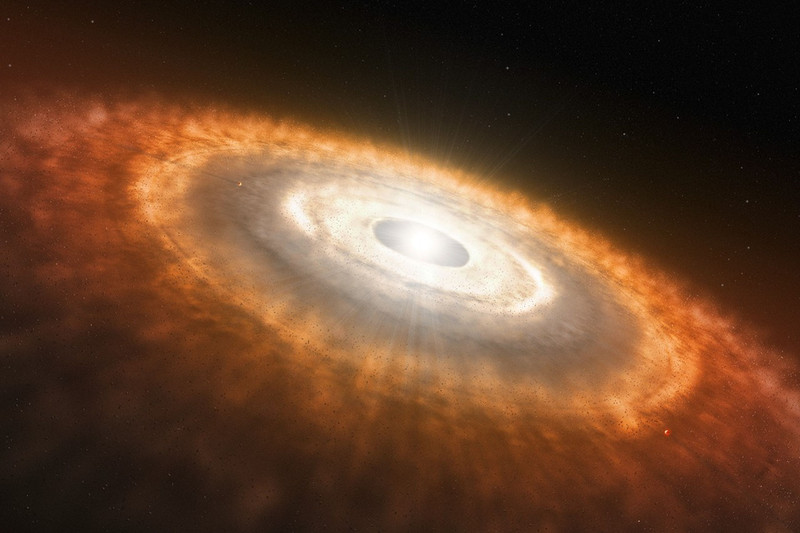
NASA Reveals New Path for Earth's Essential Life Elements
A recent study, published in Science Advances, uncovers how early Earth may have received phosphorus and nitrogen, highlighting Jupiter's critical role.
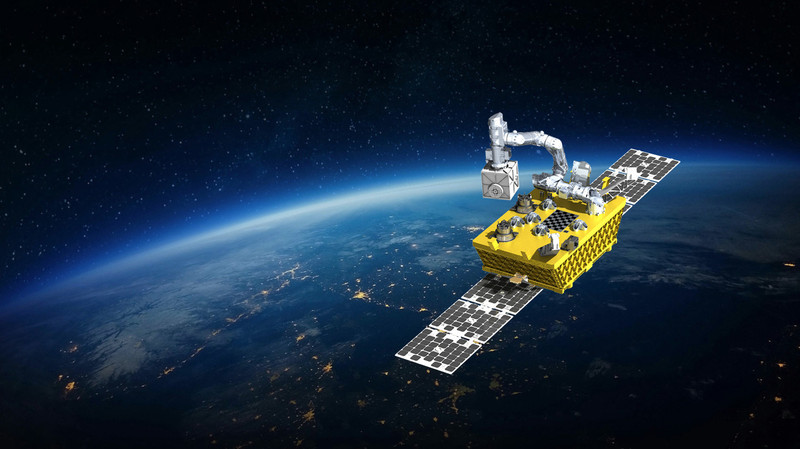
NASA Space Robotics Challenge
NASA invites U.S. researchers to submit proposals for experiments using a robotic arm that will be sent to low Earth orbit as part of the Fly Foundational Robots mission.
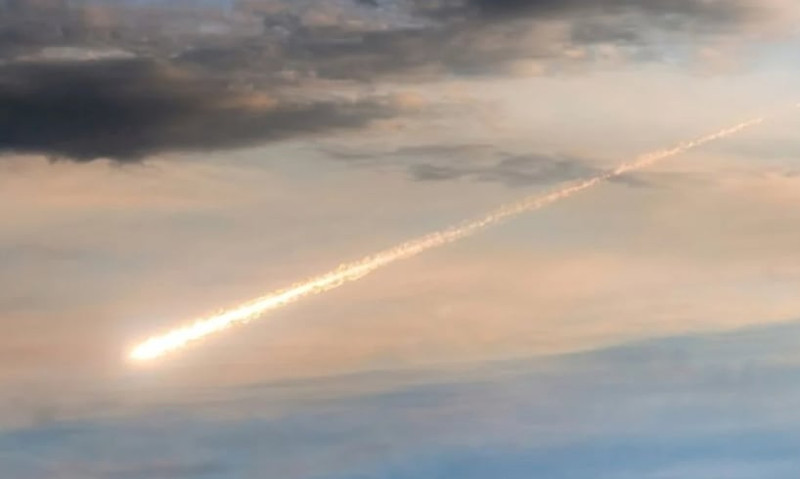
NASA Reveals Stunning Details of Meteor That Shook the United States
The space agency has shared new information about the fireball that released energy equivalent to 230 tons of TNT, shaking a vast region.
Latest news
View all
Stuntman Hollywood: Returns After 19 Years to PS5, Xbox Series, and PC
The iconic action and vehicular stunt franchise makes its comeback courtesy of Saber Interactive, promising a dose of nostalgia and adrenaline for the new generation.

Windows Drops NTLM: Microsoft Boosts Security with Kerberos
Microsoft is taking a crucial step to bolster security in Windows 11, announcing the deprecation of NTLM, its oldest authentication protocol, in favor of Kerberos.

Google Launches Gemma 4 12B: Local AI for Your Laptop with 16GB RAM
Google's new artificial intelligence model aims to democratize access to generative AI, allowing it to run on average consumer computers.
Comments (0)
No comments yet. Be the first!
Leave a comment