
Artemis II: The Moon's Return and the Resurgence of Conspiracy Theories
The impending Artemis II mission, aiming to return humanity to the Moon, is set to rekindle old conspiracy theories about lunar landings. Amidst this debate, a crucial piece of evidence is often overlooked.
The Legacy of Apollo and the Promise of Artemis II
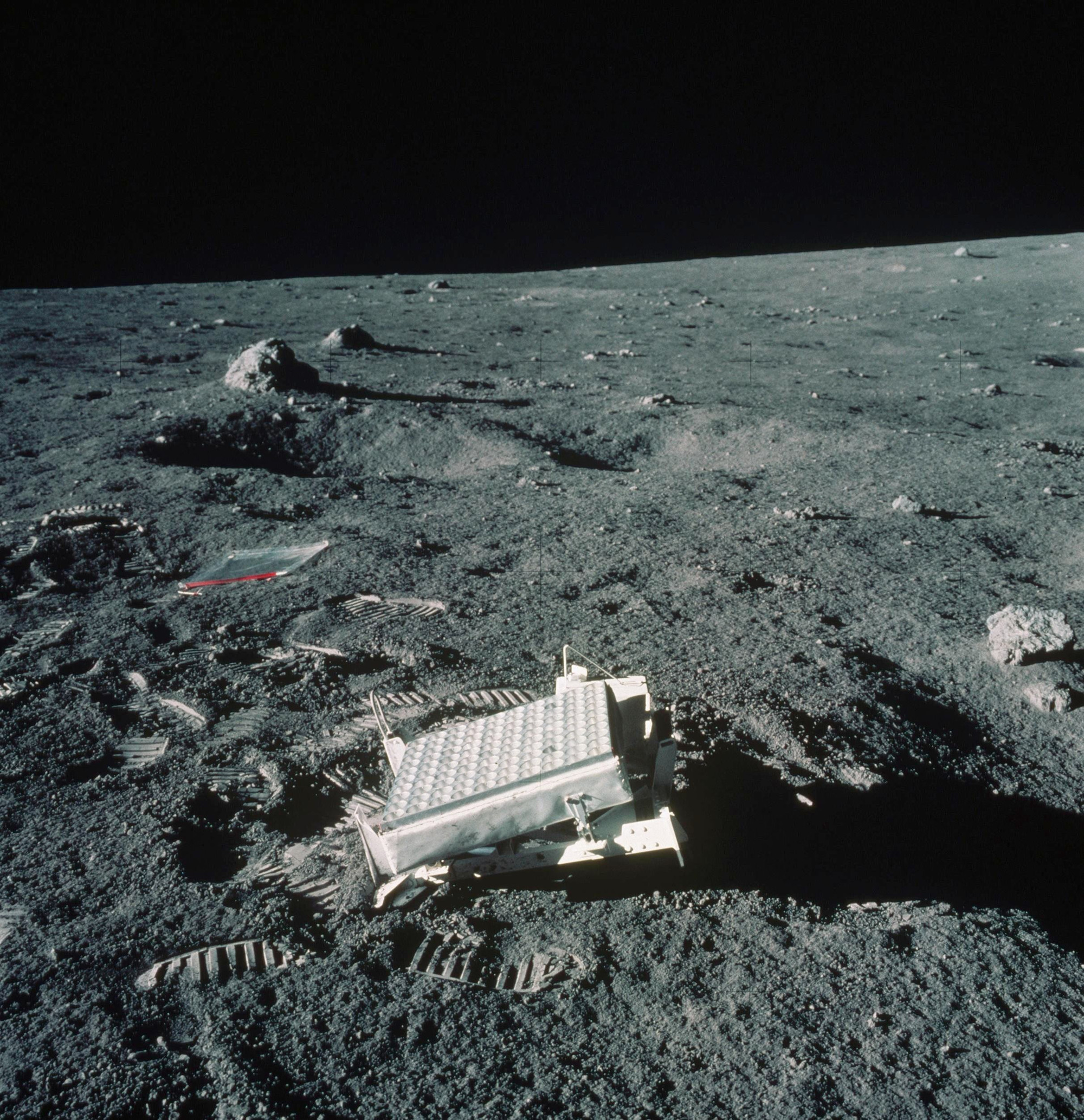
Humanity is preparing for a new chapter in lunar exploration with the Artemis II mission, a crucial step in NASA's ambitious program to establish a sustainable presence on the Moon. This mission, which will carry a crew around our natural satellite, not only represents a technological and scientific milestone but also acts as a powerful reminder of the past achievements of the Apollo program. However, the magnitude of these endeavors and the fascination they exert on the public also have a predictable counterpart: the reactivation of conspiracy theories that question the veracity of historical moon landings. As Artemis II captures global attention, it is almost inevitable that old doubts will resurface, fueled by misinformation and disbelief.
The Persistence of Lunar Landing Conspiracy Theories
Ever since Neil Armstrong took his first steps on the Moon in 1969, a current of skepticism has persisted, arguing that the moon landings were an elaborate hoax orchestrated by the U.S. government. These theories, ranging from the absence of stars in photographs to flags waving in a vacuum, have found fertile ground in distrust of institutions and a fascination with alternative narratives. The digital age, with its ability to amplify voices and disseminate information (and misinformation) at an unprecedented speed, has given new life to these ideas. Whenever a major space event, like Artemis II, approaches, these theories return to the forefront, inviting a new cycle of debate and analysis.
Hollywood's Influence on the Perception of Reality
The original article's title suggests a connection between Artemis II, Hollywood, and conspiracy theories, and this relationship runs deeper than it might seem. The film industry, with its ability to create fictional worlds and events with astonishing realism, can, paradoxically, fuel skepticism. For some, the sophistication of modern special effects makes it difficult to distinguish between a cinematic recreation and a real event, especially when both are visually spectacular. The idea that if something *looks* like it could be faked, then it *is* fake, takes root in some minds. This perception can lead to the dismissal of monumental scientific achievements, confusing them with studio productions, which in turn contributes to compelling evidence being overlooked.
The Crucial Evidence Often Overlooked
Amidst the noise of conspiracy theories and visual spectacle, there exists a compelling piece of evidence that is often ignored. This evidence is not based on superficial interpretations of photographs or videos, but on rigorous scientific data, technical analysis, and independent observations. It could be the presence of retroreflectors left on the lunar surface by the Apollo missions, which allow scientists on Earth to precisely measure the distance to the Moon using lasers. Or perhaps it refers to the lunar rock samples brought back to Earth, whose unique composition and geological characteristics are consistent with an extraterrestrial origin, analyzed by laboratories worldwide. This evidence requires a deeper understanding and a willingness to look beyond sensational claims, making it less appealing to those seeking a simple, conspiratorial explanation. Its technical nature and lack of drama make it susceptible to being overshadowed by more emotional or visually impactful narratives.
Artemis II: A New Chapter of Verification and Transparency
The Artemis II mission, like future missions in the program, not only represents a step forward into the future of space exploration but also offers an opportunity to reaffirm the reality of past achievements. With modern technology, the inherent transparency of contemporary space missions, and the capacity for global verification, Artemis II can generate new layers of evidence and data that reinforce the scientific narrative. High-definition cameras, advanced telemetry systems, and the involvement of an international community of scientists and observers make it increasingly difficult to sustain unfounded claims. Space exploration is, in its essence, an act of discovery and verification, and each new mission contributes to building an irrefutable body of knowledge.
Conclusion: Science, Skepticism, and the Lunar Future
Humanity's return to the Moon with Artemis II is a testament to human ingenuity and perseverance. While it is likely to rekindle conspiracy theories, it also offers a platform for education and the reaffirmation of scientific truth. The existence of compelling, though often overlooked, evidence underscores the importance of scientific literacy and critical thinking in an age of abundant information. As we venture further beyond Earth, the challenge is not only to overcome technological limits but also to navigate the complex landscape of public perception, ensuring that humanity's real achievements in space are recognized and celebrated for what they are: extraordinary milestones of exploration.
Article topics
Related articles

Humanoid Robot Pemba Climbs Chimborazo, Sets Sights on Everest Summit
The humanoid robot Pemba, an adaptation of the Unitree G1, recently ascended over 6,000 meters on Chimborazo and now aims to conquer Mount Everest. This technological feat paves the way for new forms of exploration in extreme environments.
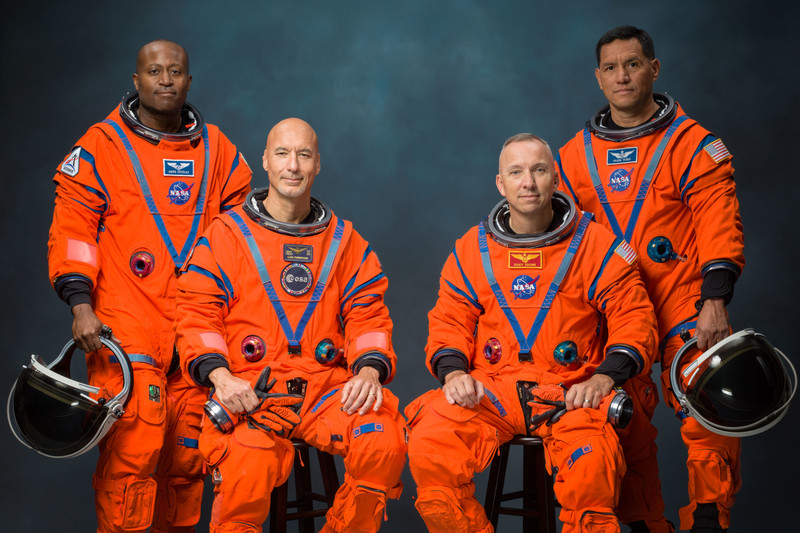
Artemis III Progresses to Moon with Crucial Challenges and Mars Ambitions
NASA's Artemis III mission aims for a sustained human presence on the Moon, navigating delays in space suit development and technical hurdles with partners SpaceX and Blue Origin.
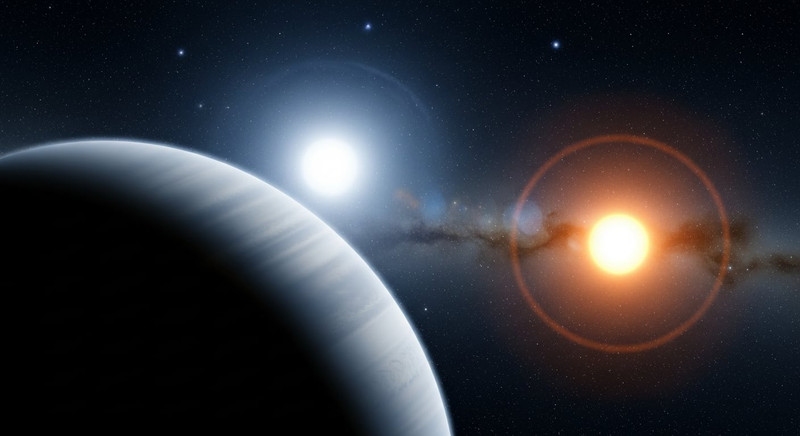
Stanford's STEHM Model Optimizes Search for Habitable Exoplanets
Stanford University introduces STEHM, a new tool that filters exoplanets based on their ability to maintain stable atmospheres, a key condition for life.
Latest news
View all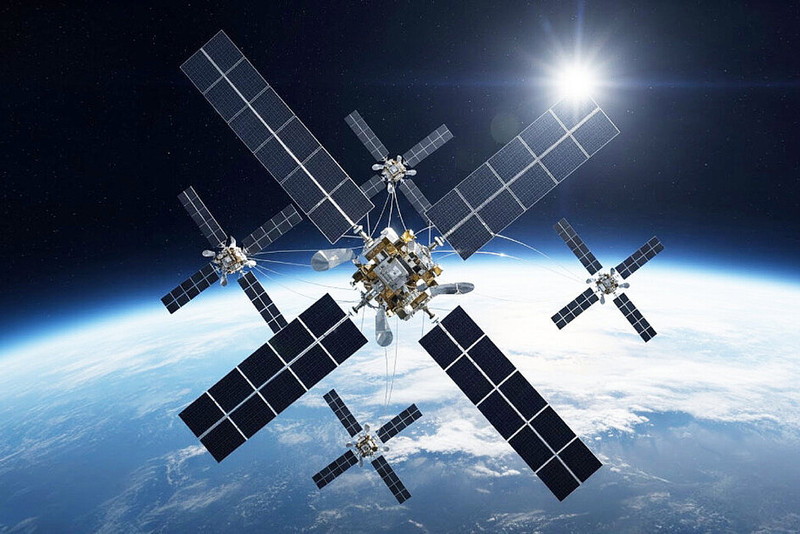
Elon Musk Plans Space Data Centers to Ease AI Energy Crisis
The escalating energy demand for artificial intelligence and terrestrial data centers is driving SpaceX to explore space-based solutions, with Starship being key to economic viability.

US Government Suspends Access to Anthropic's Fable 5 and Mythos 5 AI Models
A national security directive forces Anthropic to disable its advanced AI models, Fable 5 and Mythos 5, for all customers starting June 12, 2026.

Google Launches Gemini 3.5 Live Translate for Instant Voice Translation
Google expands real-time translation availability with Gemini 3.5 Live Translate, offering lower latency and support for over 70 languages.
Comments (0)
No comments yet. Be the first!
Leave a comment