
Microsoft Unveils Majorana 2 Quantum Chip with 20-Second Qubit Lifespan
The new chip boasts 1,000 times more stable qubits, and with the Microsoft Discovery platform, accelerates R&D towards a commercial quantum computer by 2029.
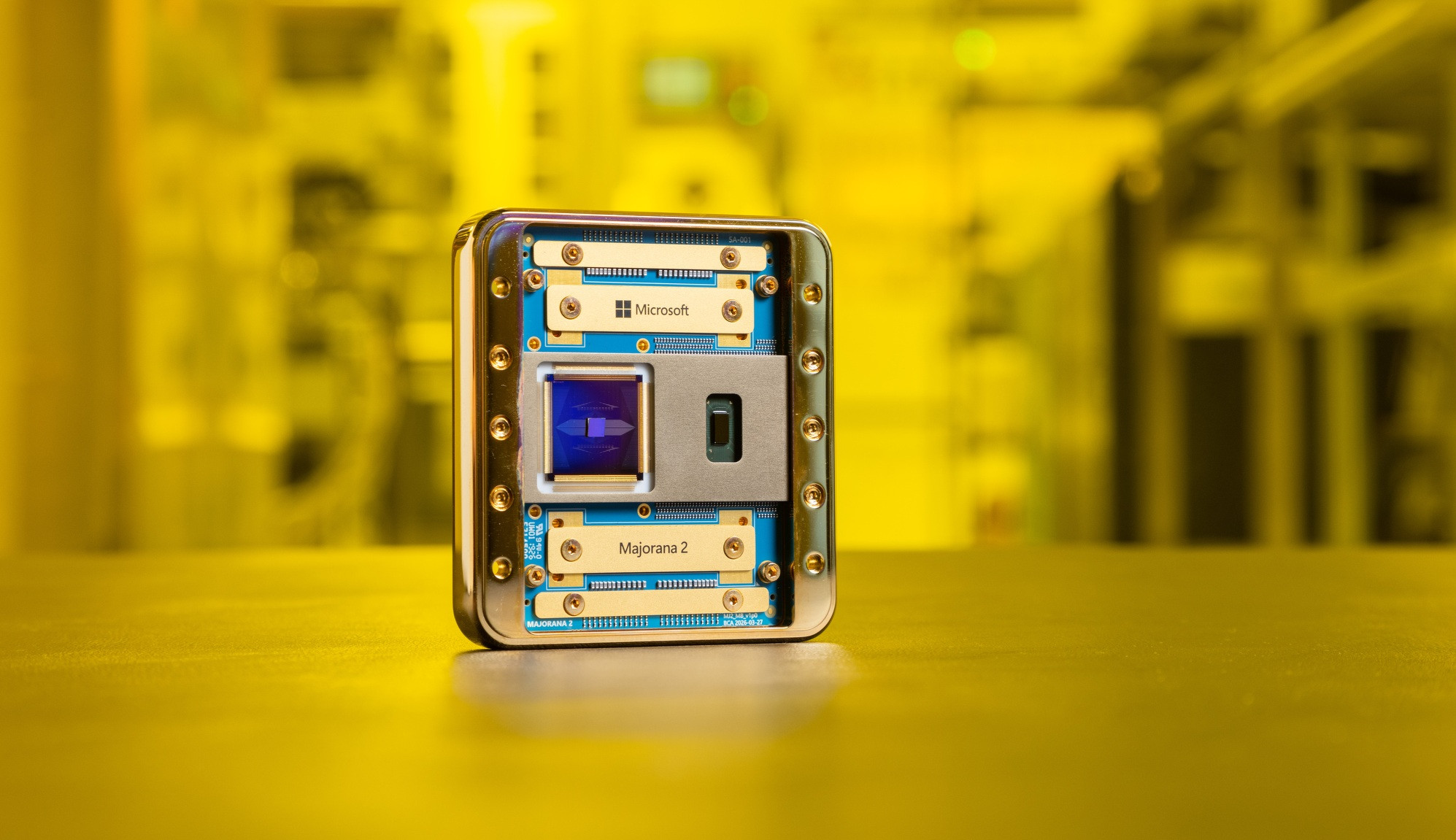
A remarkable 20-second qubit half-life positions Microsoft's new Majorana 2 quantum chip as a monumental leap forward. This development, coupled with the release of the Microsoft Discovery platform, aims to accelerate research and development, striving for a scalable and commercially valuable quantum computer by 2029.

Majorana 2's qubits can maintain their quantum state 1,000 times longer than the first generation, enabling significantly more reliable calculations. While other common approaches measure qubit «life» in microseconds, Majorana 2 offers a median qubit half-life of 20 seconds, with some instances lasting up to a minute. This improvement is, according to the company, comparable to a phone battery that could last almost three years on a single charge.
This exceptional reliability, combined with high-speed operations (one microsecond) and a tiny qubit size (1/100 of a millimeter), sets the team on course for its ambitious goal. Such a quantum machine could tackle intractable problems in global health, food supply, sustainability, and energy production, as stated by Microsoft.
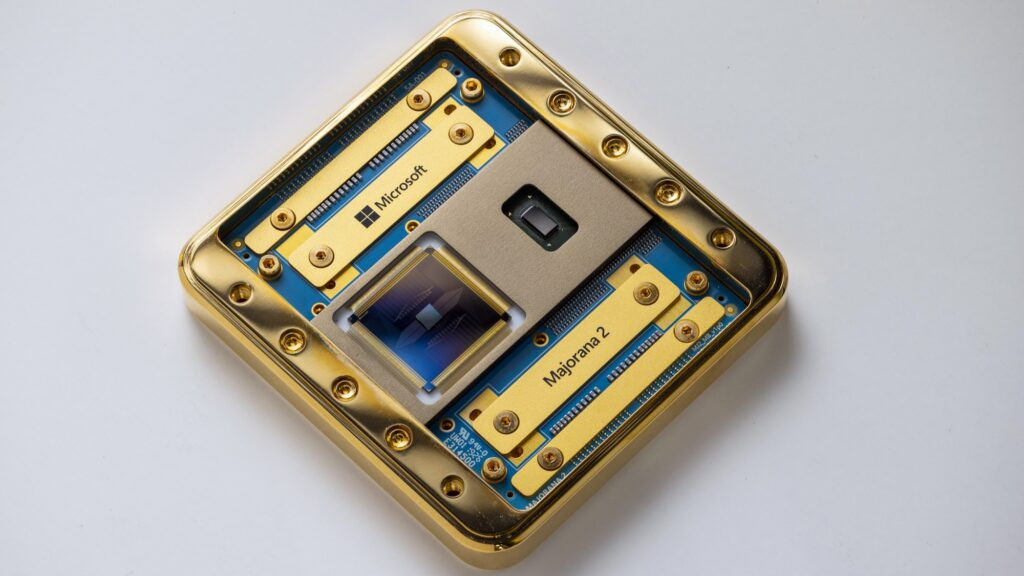
Chetan Nayak, a technical researcher at Microsoft, underscored the magnitude of this progress. «We need to make improvements every year that get us closer to delivering a computer that we believe will have enormous commercial and societal value,» he said.
Agentic AI has permeated almost everything we do—it has become a very natural part of our workflow.
To democratize these advancements, Microsoft also announced the general availability of Microsoft Discovery, its comprehensive platform for organizations to embrace Frontier R&D. This platform combines specialized AI agents for scientific research, a Discovery Engine that powers research and reasoning workflows, alongside enterprise-level security, governance, and transparency.
Significantly lowering the barrier to entry for advanced AI-driven research, Microsoft introduced a preview of a Microsoft Discovery application. This app is available for free download and can be run locally on personal computers, requiring only a GitHub Copilot account.
Microsoft Discovery empowers researchers to deploy autonomous teams of AI agents. These agents, guided by human expertise, can reason over vast amounts of knowledge, generate hypotheses, optimize experiments, validate theories, and learn in a continuous loop. Integrated controls help ensure that research remains aligned with priorities, safety, and compliance standards.
The impact of this technology is already being felt. Aseem Datar, Corporate Vice President of Product Innovation for Microsoft Discovery, noted that customers in critical sectors like life sciences, chemicals and materials, energy, manufacturing, and consumer goods are already leveraging its capabilities. Companies such as Syensqo, which develops next-generation fluids for semiconductor manufacturing, exemplify the immense opportunities for impact.
The agentic AI capabilities within Microsoft Discovery have been extensively utilized by Microsoft's own quantum scientists and engineers. They've applied this technology to manage workflows, automate measurements, optimize manufacturing processes, identify previously unknown faults, and propose novel solutions, making it an integral part of their daily operations.
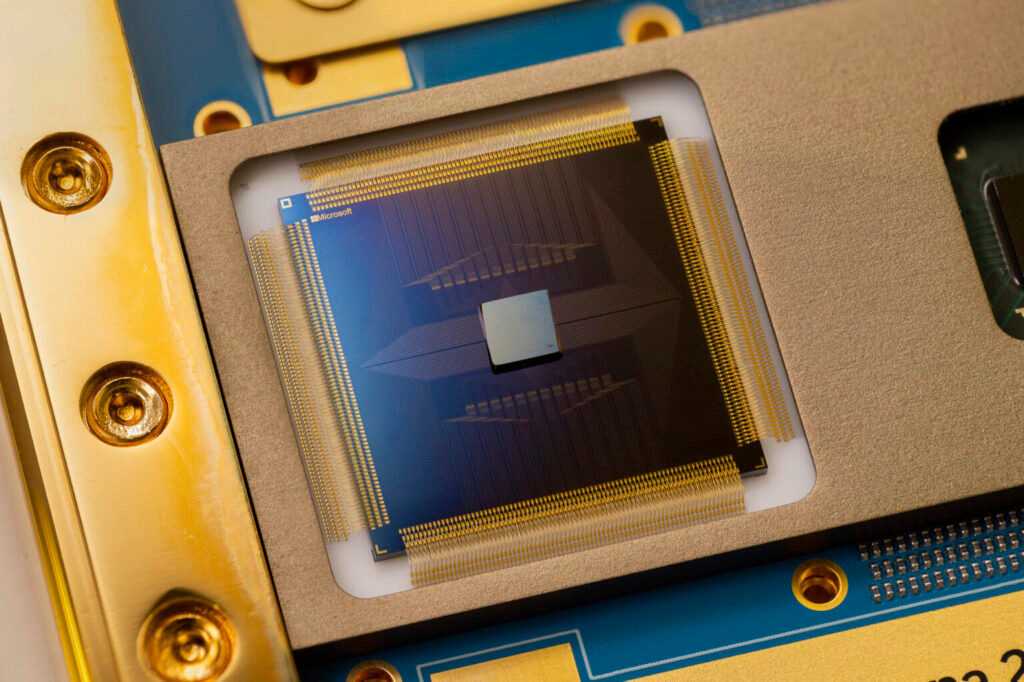
The Majorana 1 chip, introduced last year, was groundbreaking for employing a topological superconductor made of aluminum for more stable quantum computing. For Majorana 2, the team revised the materials stack, opting for lead. This material, typically used for radiation shielding, now helps protect fragile qubits from cosmic disturbances. While this line of material research began long before agentic AI, the team used it to help manage the manufacturing of the new device and will use Microsoft Discovery more extensively for future Majorana materials work.
The complexity of designing quantum devices, where critical parts are engineered atom by atom, presents a significant challenge. Zulfi Alam, Corporate Vice President of Quantum at Microsoft, explained that finding the «exact recipe» for adding an impurity to the crystal structure, keeping each atom in its correct place, used to require extensive experimentation. Now, through AI-driven simulations, highly probable targets can be identified, drastically reducing the need for physical trials.
The quantum computing project involves numerous moving parts, from software and architecture to design and manufacturing processes. A change in one area can have complex ramifications requiring compensation elsewhere. AI agents are crucial in helping the team track these intricate, interrelated connections, according to Nayak. Furthermore, the project has amassed nearly two decades of data in many different formats, which were previously siloed.
By running AI agents with this vast data, they are «able to resynthesize and create correlations that we as humans can't see because no individual has that much insight across that much data,» Alam explained. This capability is particularly valuable for the globally distributed quantum team, comprising specialists in physics, mechanical engineering, and process engineering, facilitating the synthesis of interdisciplinary knowledge.
AI agents also dramatically accelerate experiments. Establishing the hundreds of parameters required to create a topological state and perform measurements, a process that used to take weeks for a person, is now significantly shortened. The team created a specialized AI agent that, through Microsoft Discovery's capabilities, reduced cycle time by orders of magnitude. The AI can make parallel voltage adjustments and build 3D maps of conditions a single scientist never could, as Alam noted, «Using agentic AI to automate measurements was a game-changer.»
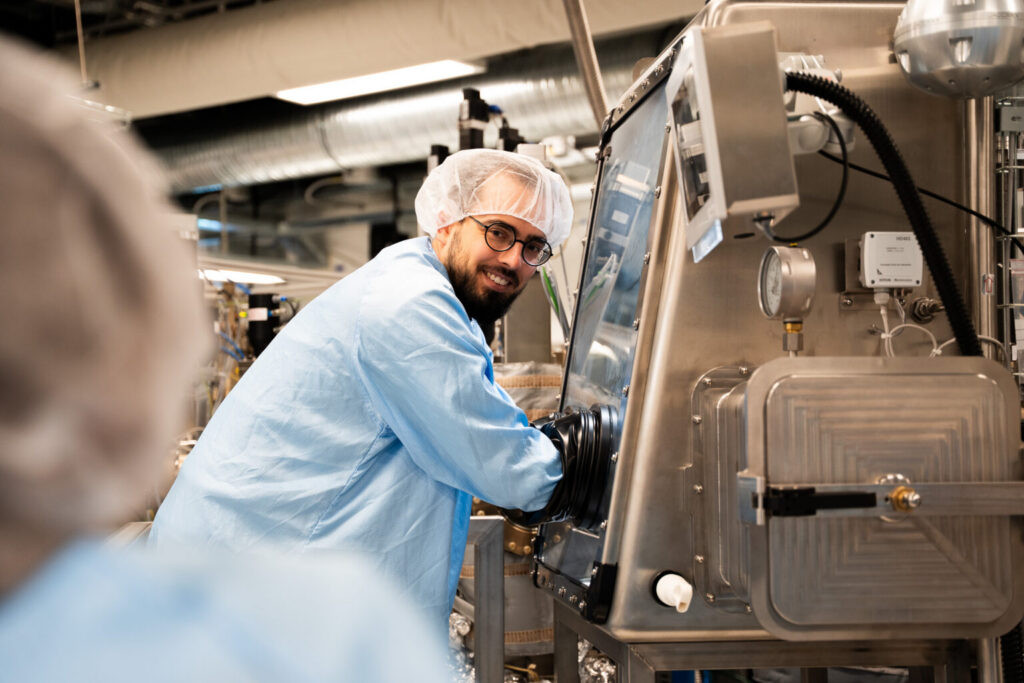
Finally, agentic AI excels at filtering «noise» from raw data. An AI agent developed by the team combined physics, device, and institutional knowledge to filter raw manufacturing process data and detect an uncalibrated temperature sensor reading that was throwing things off. Alam compared this to an AI summary of a Teams call, which omits friendly banter to list key points. Microsoft Discovery, by combining AI with the scientific method, offers transferable tools that will enable scientists to «observe many, many different disciplines at once with very high fidelity and be able to pull correlations out of it,» a critical step for scientific advancement and the goal of a commercial quantum computer by 2029.
Related articles
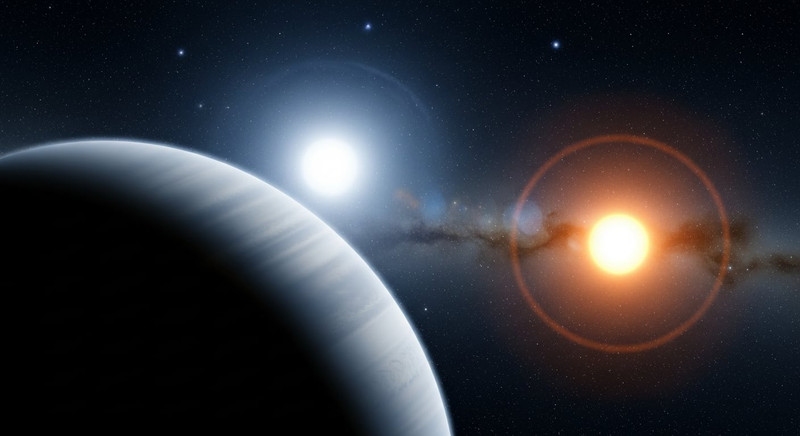
Stanford's STEHM Model Optimizes Search for Habitable Exoplanets
Stanford University introduces STEHM, a new tool that filters exoplanets based on their ability to maintain stable atmospheres, a key condition for life.
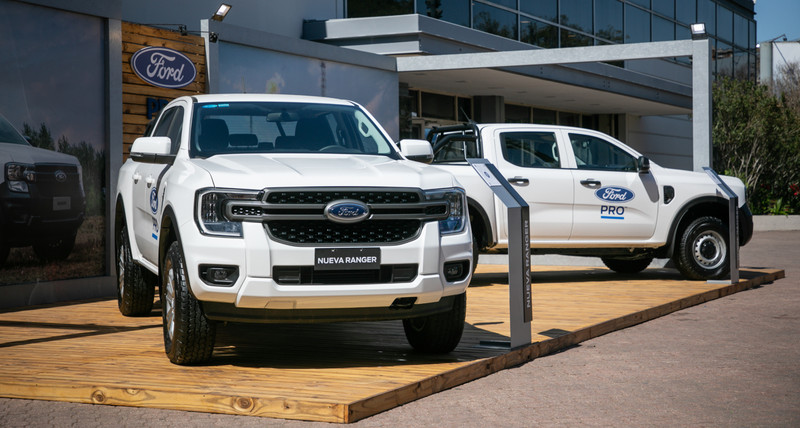
Ford Pro Transforms Fleet Management with eSIM and Real-Time Monitoring
Ford's commercial vehicle division integrates a factory-fitted eSIM into its units, providing businesses and vehicle owners with crucial data for proactive and efficient fleet management.
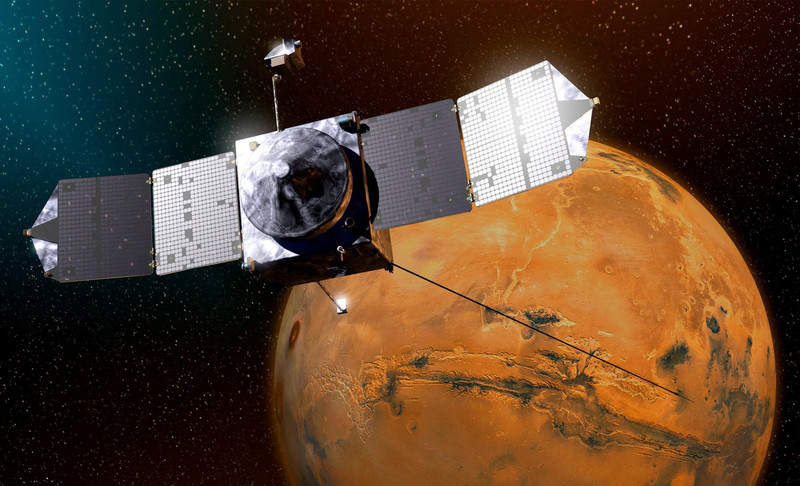
NASA's Maven Mars Orbiter Declared Out of Service After Six Months of Silence
Following an anomaly that disrupted its orbit and depleted its batteries, the Maven spacecraft, vital for understanding Mars' atmosphere, has ended its active mission. Its scientific data remains an invaluable legacy.
Latest news
View all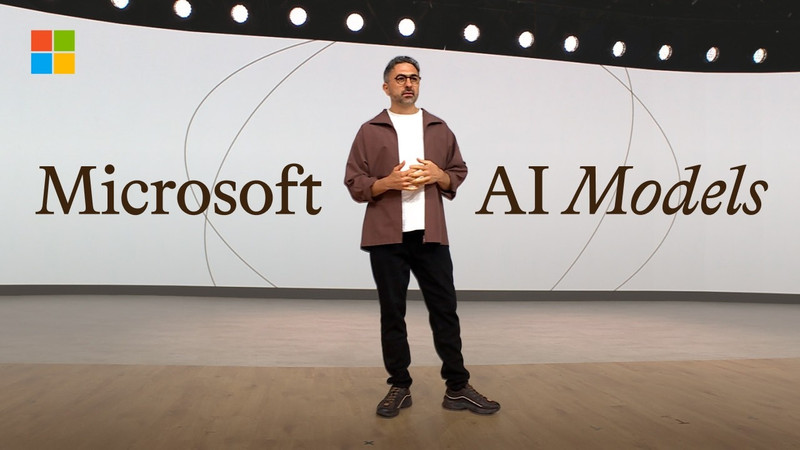
Microsoft Unveils Seven New AI Models with Human-Centric Superintelligence Vision
Microsoft introduces a powerful family of seven AI models spanning image, voice, and code, designed to empower developers and organizations with a strong ethical foundation.
Google I/O 2026: Chrome Transforms into an Intelligent Assistant with Gemini
Google unveiled an ambitious vision for the “Web of Agents” at I/O 2026, deeply integrating artificial intelligence into Chrome to empower developers and users alike.
Microsoft Unveils Project Solara: AI Across a Constellation of Devices
This initiative redefines AI interaction, extending it beyond individual applications into an ecosystem of interconnected devices.
Comments (0)
No comments yet. Be the first!
Leave a comment