
Microsoft Unveils Project Solara: AI Across a Constellation of Devices
This initiative redefines AI interaction, extending it beyond individual applications into an ecosystem of interconnected devices.
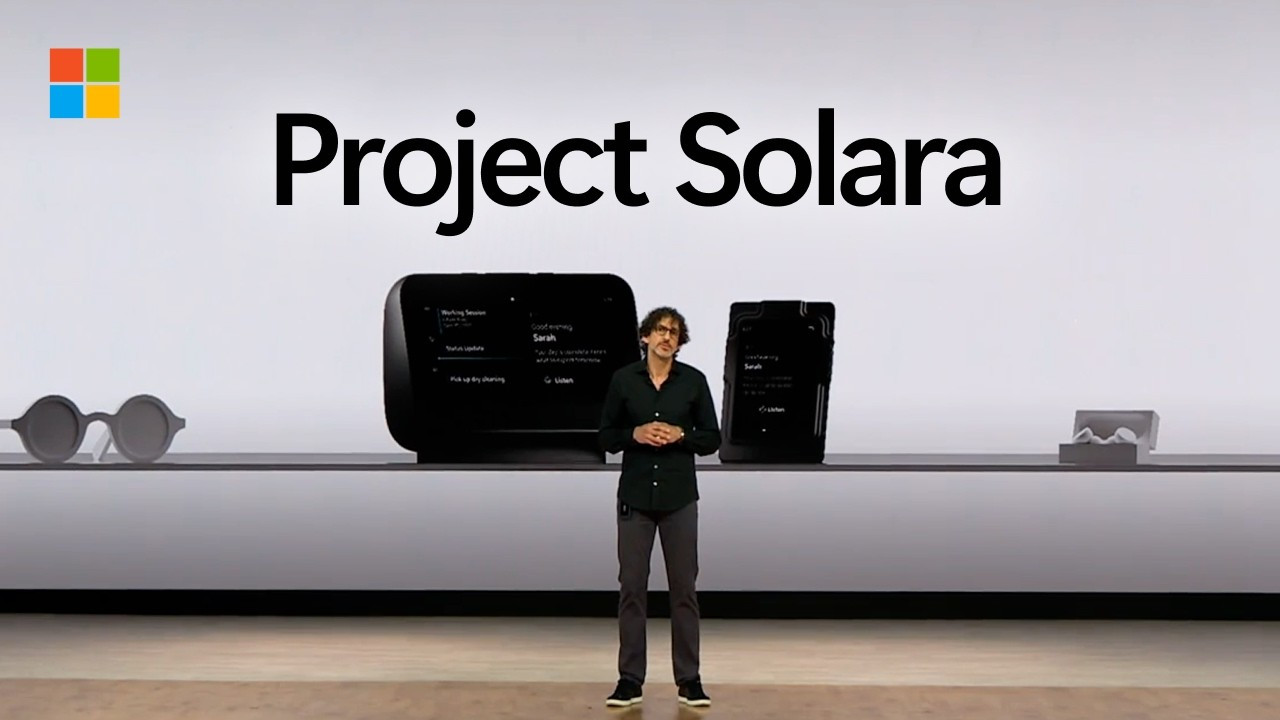
Microsoft introduced Project Solara, its ambitious vision for an "outside AI application structure" where artificial intelligence operates globally, connecting and coordinating context across multiple applications, services, devices, and time scales. This initiative aims to create a hardware ecosystem specifically designed for AI agents and transformative interaction technology.
The core insight behind Project Solara is that "the next computer is not one device. It is all these devices working together as one system," as stated during the presentation. The company focuses on extending AI agents across a "constellation of devices," bringing artificial intelligence closer to where and when users need it. This marks a fundamental shift from traditional app-centric computing.
This approach addresses two key challenges. First, the proliferation of specialized form factors often relies on custom, one-off apps and fragmented stacks, making them difficult and expensive to build, deploy, and maintain. Second, AI agents built by organizations for their specific workflows are constrained in their impact by how and where they can exist.
Project Solara offers a turnkey solution for organizations to extend their agents onto new, purpose-built, easy-to-manage form factors designed to reach the nooks and crannies where conventional computers either do not exist or are not optimal. This unique agent-first device building is enabled by three essential pillars.
These pillars include an enterprise-ready AOSP-based Microsoft device ecosystem platform. Additionally, it features an agent-driven interaction model with a just-in-time UI that adapts to the form factor. Finally, it provides extensibility, allowing organizations to bring their own agents. Azure unifies this entire system, connecting the cloud and devices.
The core insight behind Project Solara is that "the next computer is not one device. It is all these devices working together as one system," as stated during the presentation.
Microsoft previewed two broad categories of concept devices: stationary and portable. The first stationary device, designed for desks and built on MediaTek silicon, allows frictionless yet protected access to Microsoft 365 Copilot, grounded in Work IQ, simply by walking up to it, thanks to Hello for Business.
This desk device acts as a dedicated, secured, ambient tool for work, surfacing what matters next in the workday and helping users think, plan, and even act by delegating tasks to agents with a simple tap or voice command. It even supports handoff experiences between devices, acting as a companion to an existing Windows PC or providing access to a cloud PC through Windows 365 and a connected monitor.
The second device category is portable, reimagining a wearable that millions of people use every day: the access badge. Built using Qualcomm silicon for wearables, this digital badge is a lightweight form factor designed for on-the-go agent interactions, adaptable across a variety of verticals and workflows.
In a healthcare example, a nurse could use this badge. From the moment the device is picked up, the right agent shapes the experience around the role and workflow, assisting with check-ins, patient records, and critical insights, all through enterprise-grade secure access. Built-in microphones enable hands-free voice-based documentation, including diarization and annotation, while the side-facing camera can verify patient vitals or scan medications.
Project Solara's flexibility is a core strength. While the stationary and portable concept devices represent specific expressions, their core reference hardware and software are designed to be highly adaptable. With just a few changes—loading a different agent, adjusting the shape, screen size, sensors, or input methods—the same foundation can adapt for many verticals such as retail, industrial, hospitality, financial services, and legal. Companies like AccuWeather, Best Buy, CBS Health, Levi's, and Target are already exploring how specialized agents and devices can improve their workflows.

Article topics
Related articles
Microsoft Unveils Seven New AI Models with Human-Centric Superintelligence Vision
Microsoft introduces a powerful family of seven AI models spanning image, voice, and code, designed to empower developers and organizations with a strong ethical foundation.
Google I/O 2026: Chrome Transforms into an Intelligent Assistant with Gemini
Google unveiled an ambitious vision for the “Web of Agents” at I/O 2026, deeply integrating artificial intelligence into Chrome to empower developers and users alike.
Google Launches Gemma 4 12B: Local AI for Your Laptop with 16GB RAM
Google's new artificial intelligence model aims to democratize access to generative AI, allowing it to run on average consumer computers.
Latest news
View all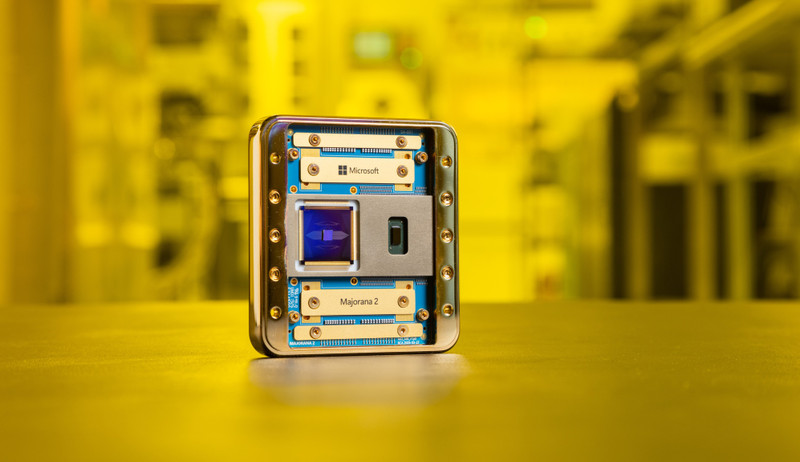
Microsoft Unveils Majorana 2 Quantum Chip with 20-Second Qubit Lifespan
The new chip boasts 1,000 times more stable qubits, and with the Microsoft Discovery platform, accelerates R&D towards a commercial quantum computer by 2029.

Stanford's STEHM Model Optimizes Search for Habitable Exoplanets
Stanford University introduces STEHM, a new tool that filters exoplanets based on their ability to maintain stable atmospheres, a key condition for life.
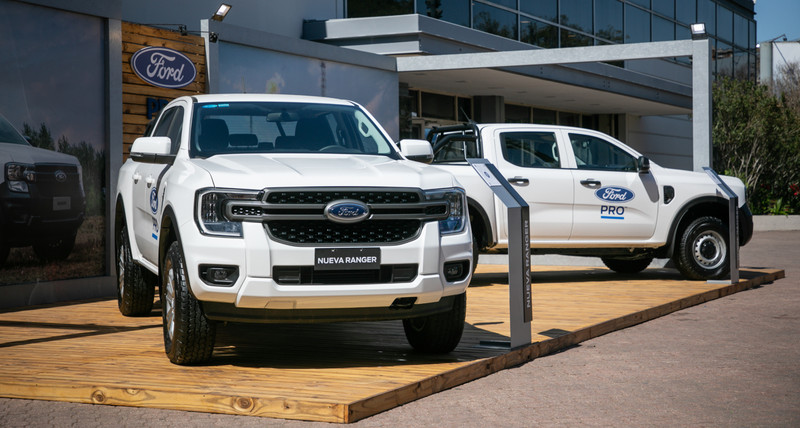
Ford Pro Transforms Fleet Management with eSIM and Real-Time Monitoring
Ford's commercial vehicle division integrates a factory-fitted eSIM into its units, providing businesses and vehicle owners with crucial data for proactive and efficient fleet management.
Comments (0)
No comments yet. Be the first!
Leave a comment