
Artemis III Progresses to Moon with Crucial Challenges and Mars Ambitions
NASA's Artemis III mission aims for a sustained human presence on the Moon, navigating delays in space suit development and technical hurdles with partners SpaceX and Blue Origin.
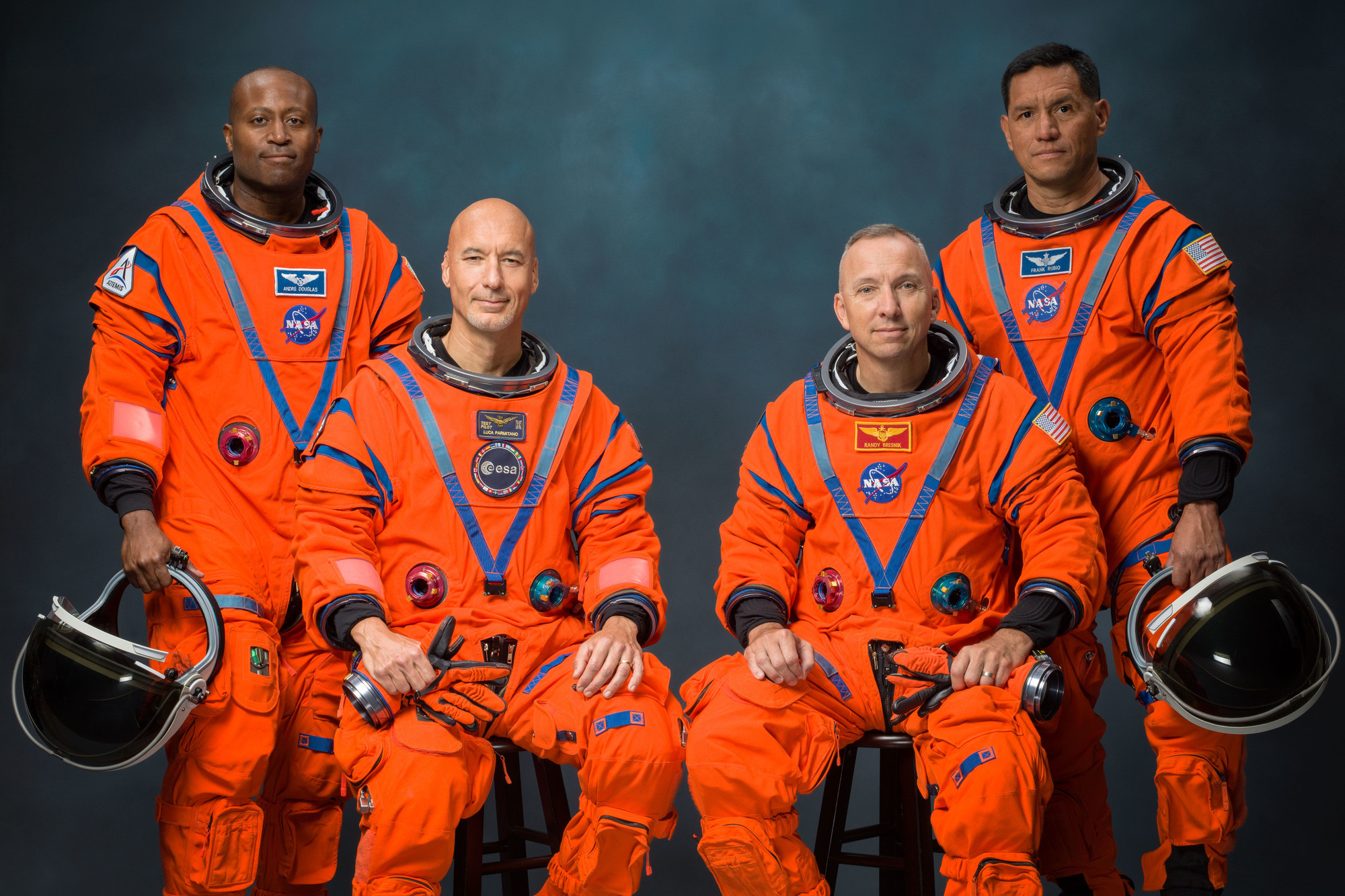
How many years does it take for humanity to establish a lasting presence beyond Earth? The Artemis III mission, scheduled for 2027, represents a fundamental milestone in NASA's ambitious strategy to secure a sustainable human presence on the Moon. This effort not only seeks to expand our scientific knowledge but also to lay the groundwork for the first crewed missions to Mars.
Artemis III is much more than a simple lunar journey; it is the technological and operational prelude to the crewed lunar landing that NASA has planned for Artemis IV in 2028. The data collected during this orbital mission will be critically important, especially for the development of the next generation of space suits, which must withstand extreme conditions.
Creating suitable apparel for the lunar environment is a considerable technical challenge, extending beyond mere protection. NASA anticipated that the information gathered in orbit will be fundamental for the design and validation of suits fit for the extreme vacuum and irregular surface of the Moon, enabling astronauts to operate efficiently and safely. Axiom Space is responsible for this crucial development, although it currently faces some delays in equipment delivery, a factor that could impact the schedule.
The success and timeline of the Artemis program depend directly on the ability of its commercial partners to overcome complex engineering hurdles. Companies like SpaceX and Blue Origin are pillars in this endeavor, developing the necessary landing modules. However, the space race is not without setbacks, as demonstrated by the recent accident involving Blue Origin's New Glenn rocket in May 2026, which adds a layer of uncertainty to the deadlines.
"We will be measured not only by our successes but also by how we respond to setbacks," affirmed John Couluris, a Blue Origin executive, emphasizing the resilience required in space exploration.
Indeed, the possibility of a delay in the human return to the Moon is a real and tangible concern for mission planners. If one of the landing modules is not ready by 2027, NASA might be forced to modify the original plan and postpone the landing. This situation highlights the intricate coordination and high standards of preparation required for each component of a mission of this magnitude.
Despite these inherent challenges of cutting-edge exploration, preparations for Artemis III are advancing at a steady and promising pace. The fuel tank for the Space Launch System (SLS), the world's most powerful rocket, arrived at the Kennedy Center in April, marking a key step in assembly. The solid rocket boosters are also ready for integration, and the Orion spacecraft is in the final stages of assembly and rigorous testing, ensuring its reliability.
The crew selected for this historic mission will immediately dive into specific and intensive training, designed to prepare them for every eventuality. This vital process will include extensive simulations at NASA's Johnson Center and practice sessions on a scale model of the Blue Moon module. These sessions are essential for rehearsing the critical docking and landing maneuvers that will define the mission's success and the astronauts' safety.
The Artemis program, as a whole, pursues an expansive vision that goes far beyond simple lunar exploration. It seeks to "explore more of the Moon for scientific discoveries, economic benefits, establish a lasting human presence on the lunar surface, and lay the groundwork for the first crewed missions to Mars," according to NASA. This implies a long-term strategy for humanity's expansion into deep space and resource utilization.
This mission, Artemis III, is not only a technological and human bridge to that interplanetary future but also represents a powerful symbol of human ambition. It embodies international cooperation, the diversity of talent, and the incessant scientific advancement of a new generation of space explorers, consolidating the path towards Mars exploration.
The commitment to space exploration remains steadfast, even in the face of technical and logistical obstacles. NASA and its partners continue to work tirelessly to ensure that Artemis III not only meets its immediate lunar orbit objectives but also paves the way for sustained human presence beyond Earth orbit, with sights set on the crewed landing of Artemis IV in 2028.

Article topics
Related articles

Humanoid Robot Pemba Climbs Chimborazo, Sets Sights on Everest Summit
The humanoid robot Pemba, an adaptation of the Unitree G1, recently ascended over 6,000 meters on Chimborazo and now aims to conquer Mount Everest. This technological feat paves the way for new forms of exploration in extreme environments.

Stanford's STEHM Model Optimizes Search for Habitable Exoplanets
Stanford University introduces STEHM, a new tool that filters exoplanets based on their ability to maintain stable atmospheres, a key condition for life.
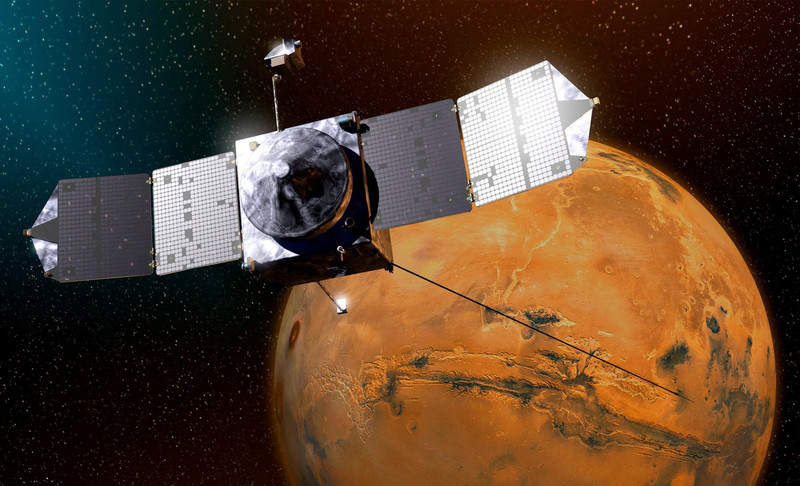
NASA's Maven Mars Orbiter Declared Out of Service After Six Months of Silence
Following an anomaly that disrupted its orbit and depleted its batteries, the Maven spacecraft, vital for understanding Mars' atmosphere, has ended its active mission. Its scientific data remains an invaluable legacy.
Latest news
View all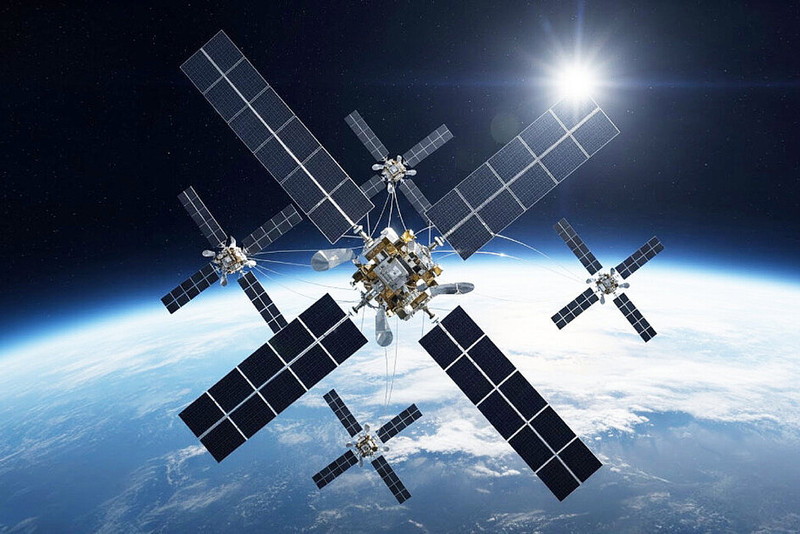
Elon Musk Plans Space Data Centers to Ease AI Energy Crisis
The escalating energy demand for artificial intelligence and terrestrial data centers is driving SpaceX to explore space-based solutions, with Starship being key to economic viability.

US Government Suspends Access to Anthropic's Fable 5 and Mythos 5 AI Models
A national security directive forces Anthropic to disable its advanced AI models, Fable 5 and Mythos 5, for all customers starting June 12, 2026.

Google Launches Gemini 3.5 Live Translate for Instant Voice Translation
Google expands real-time translation availability with Gemini 3.5 Live Translate, offering lower latency and support for over 70 languages.
Comments (0)
No comments yet. Be the first!
Leave a comment