
Science
Science news
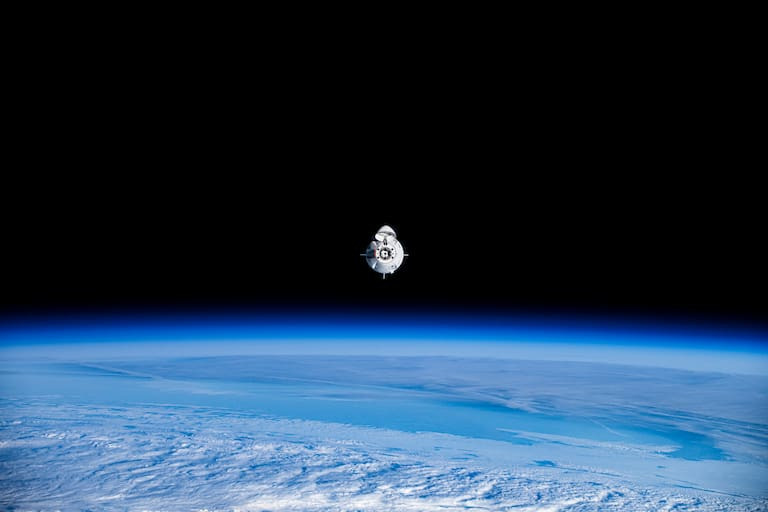
Discovery in orbital mechanics could cut Mars mission times
Researchers found that asteroid orbital data can be used to design ultra-fast routes to Mars, reducing travel time to just a few months.
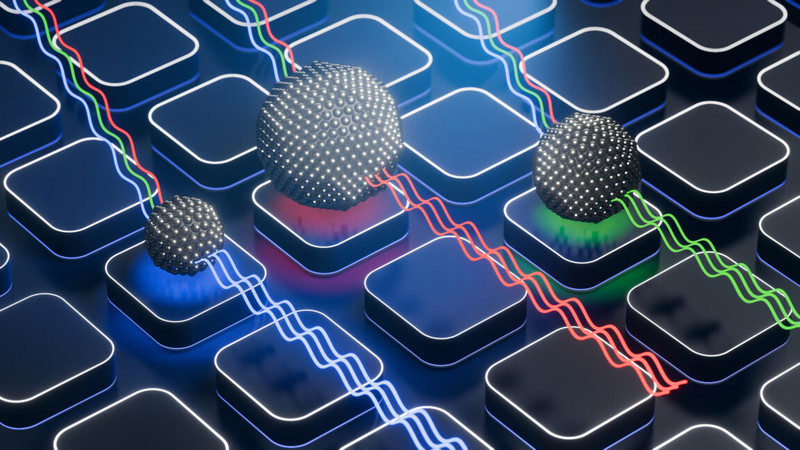
Researchers achieve movement of qubits in quantum dot chips
A recent study demonstrates that qubits in quantum dots can be moved without losing quantum information, opening new avenues for quantum computing.
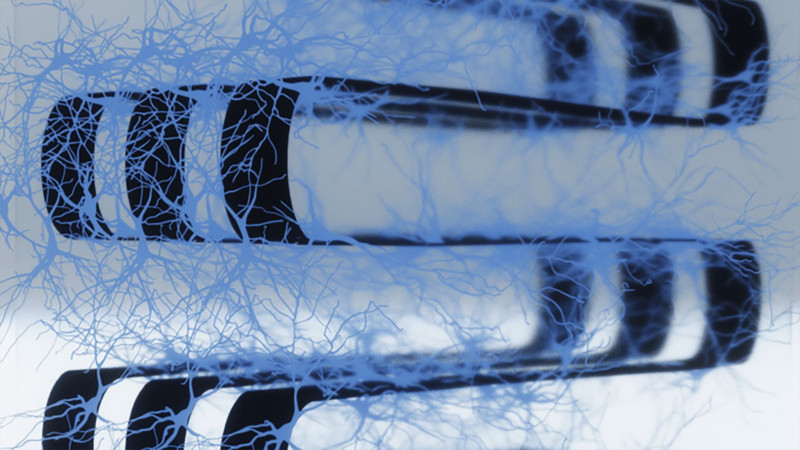
Researchers develop hybrid brain chip with 70,000 live neurons
A team from Princeton created a platform combining living neurons with flexible electronic components, opening new horizons in AI and medicine.

Water droplets exploding during evaporation could revolutionize nanotech
Recent research shows charged droplets can fragment explosively without friction, opening new paths in nanotechnology and sustainable processes.

A “Decapitated” Asteroid May Have Created the Moon’s Largest Crater
A new simulation suggests the Polo Sur-Aitken basin formed from a single impact of a differentiated asteroid. This could change lunar history.
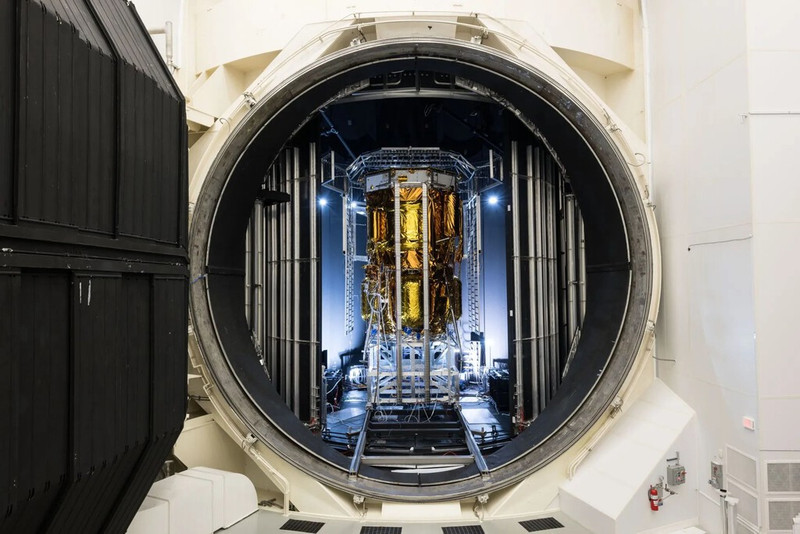
Blue Origin's MK1 Lander Passes NASA Vacuum Test, Advances Lunar Goals
Blue Origin's MK1 lunar lander successfully completed a vacuum chamber test, demonstrating readiness for upcoming lunar missions. The company aims to surpass competitors like SpaceX in lunar exploration.
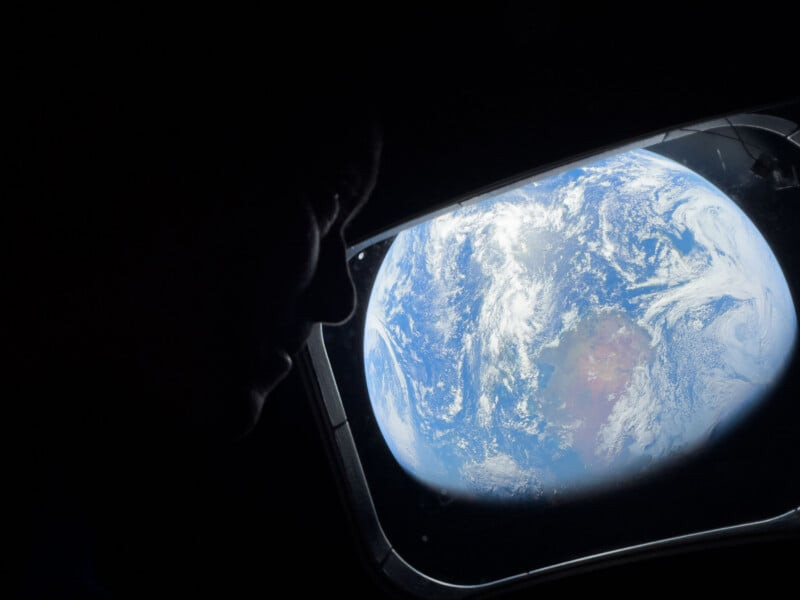
NASA releases thousands of unseen photos from Artemis II mission
Following Artemis II's scientific success, NASA shared thousands of images taken by the crew, inspiring and astonishing people worldwide.
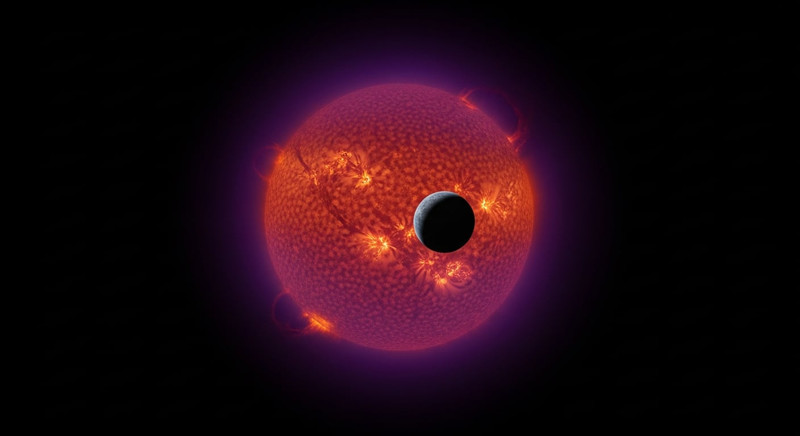
Canadian POET mission aims to find Earth-like exoplanets
A small, advanced satellite, POET, is set to detect rocky planets around ultracool stars, expanding the search for potentially habitable worlds beyond our solar system.

NASA TESS uncovers over 25 potential exoplanets in binary systems
A new method based on mutual eclipses in binary stars allows TESS to detect worlds beyond our solar system, expanding its discovery capabilities.
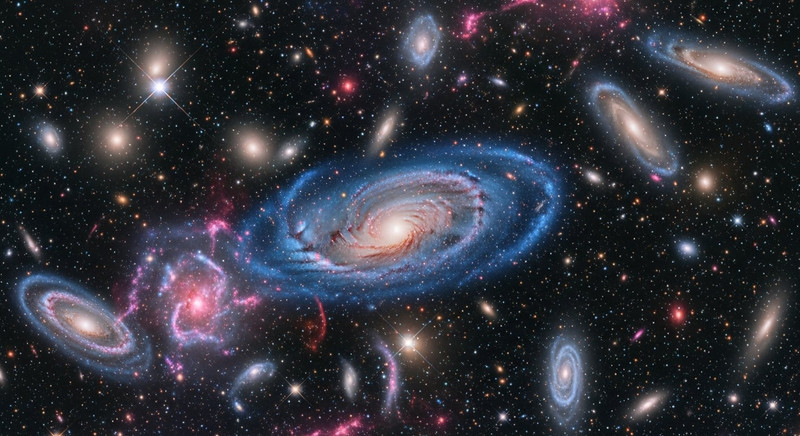
AI Boosts Clarity of Space Images from Earth Observatories
A new AI model called Neo enhances and restores ground-based astronomical images, making them nearly as clear as space telescope captures.
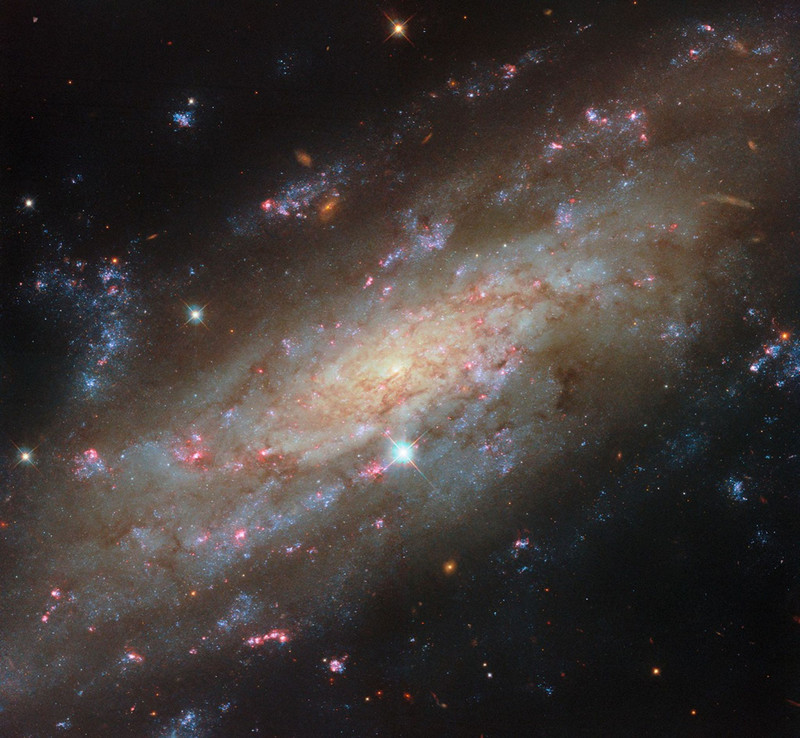
Hubble Spots the Spiral Galaxy NGC 3137, 53 Million Light-Years Away
NASA’s Hubble Space Telescope captured a stunning image of NGC 3137, a spiral galaxy located in the constellation Antlia, offering insights into galaxy evolution.
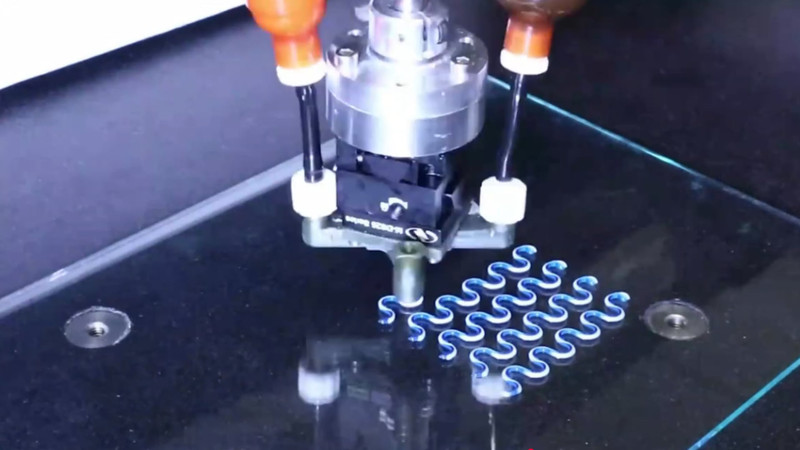
Harvard develops 3D printing for programmable artificial muscles
A Harvard team created an innovative technique enabling the production of soft, programmable muscles through rotational multimaterial 3D printing.