
Blue Origin's MK1 Lander Passes NASA Vacuum Test, Advances Lunar Goals
Blue Origin's MK1 lunar lander successfully completed a vacuum chamber test, demonstrating readiness for upcoming lunar missions. The company aims to surpass competitors like SpaceX in lunar exploration.

Blue Origin, the space company founded by Jeff Bezos, has made a significant step toward its lunar exploration ambitions. This week, its MK1 lunar lander underwent testing in NASA's large vacuum chamber, which simulates space conditions. The test confirmed that the module can withstand extreme temperatures and thermal stresses expected during its mission.
The MK1 is a crewless lunar landing vehicle designed to deliver payloads to the Moon's surface. NASA selected it to carry two payloads in 2024: stereoscopic cameras for studying the lunar south pole and a laser retroreflector to assist in orbital measurements. The successful vacuum test indicates that the lander's thermal and structural systems are ready for space deployment.
According to Blue Origin, the test validated the lander's structural integrity and thermal resilience. The vacuum chamber used for testing is 27 meters tall and replicates space conditions, with temperatures ranging from -50ºC to 30ºC. The positive results bolster Blue Origin's position in the lunar race, especially as SpaceX continues developing its own lunar landing system.
Blue Origin plans to develop a crewed version of the lander, called MK2, which will be essential for Artemis missions and commercial lunar services. Lessons learned from the MK1 testing will inform the design and development of MK2, supporting future crewed missions to the Moon.
Meanwhile, SpaceX remains active in developing its lunar landing system, but recent delays and setbacks have allowed Blue Origin to maintain its competitive edge. NASA has stated it will select the most reliable and ready technology for Artemis, keeping both companies in a race to reach the Moon first in the coming years.
Blue Origin's recent success with MK1's testing boosts confidence in its lunar capabilities and raises expectations for upcoming missions. As the space race intensifies, the focus now shifts to which company's module will meet the deadlines and technical requirements for missions scheduled.
"The vacuum chamber used for testing is 27 meters tall and replicates space conditions, with temperatures ranging from -50ºC to 30ºC."
Article topics
Related articles
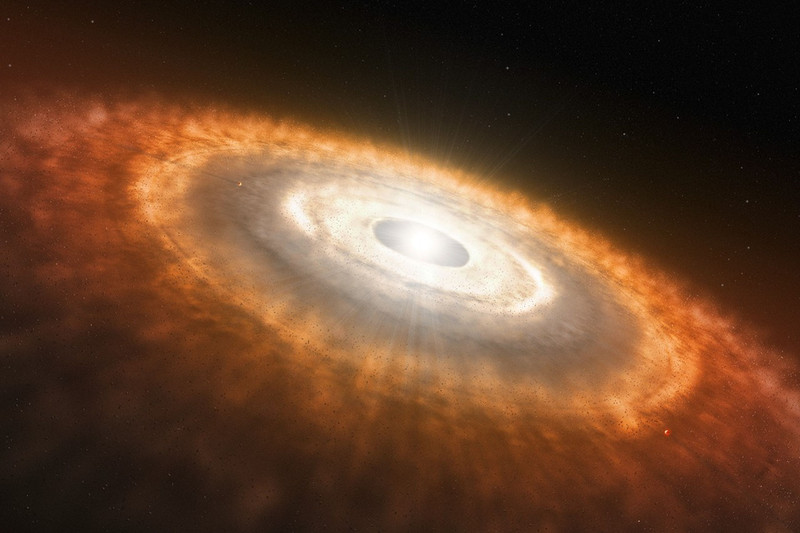
NASA Reveals New Path for Earth's Essential Life Elements
A recent study, published in Science Advances, uncovers how early Earth may have received phosphorus and nitrogen, highlighting Jupiter's critical role.
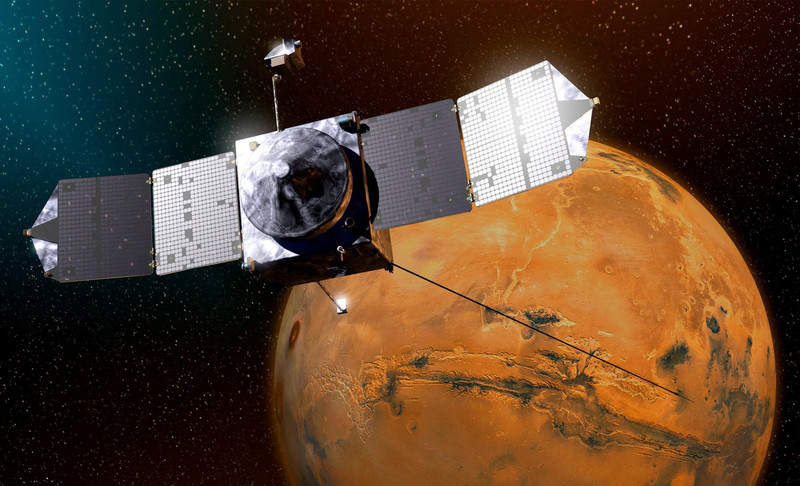
NASA's Maven Mars Orbiter Declared Out of Service After Six Months of Silence
Following an anomaly that disrupted its orbit and depleted its batteries, the Maven spacecraft, vital for understanding Mars' atmosphere, has ended its active mission. Its scientific data remains an invaluable legacy.
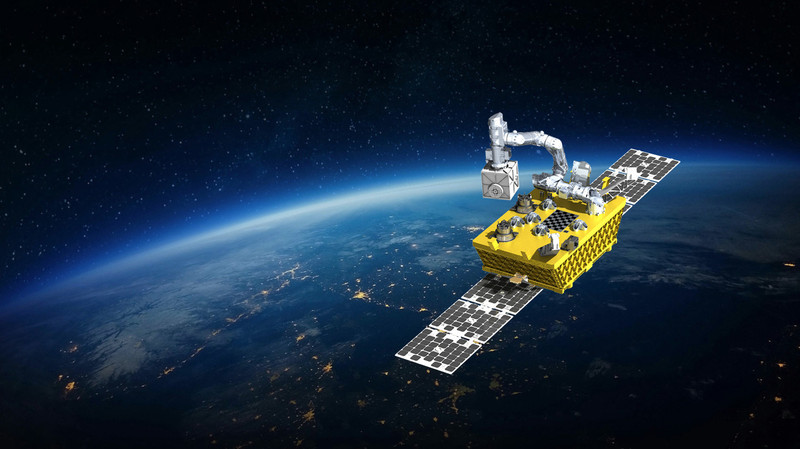
NASA Space Robotics Challenge
NASA invites U.S. researchers to submit proposals for experiments using a robotic arm that will be sent to low Earth orbit as part of the Fly Foundational Robots mission.
Latest news
View all
Stuntman Hollywood: Returns After 19 Years to PS5, Xbox Series, and PC
The iconic action and vehicular stunt franchise makes its comeback courtesy of Saber Interactive, promising a dose of nostalgia and adrenaline for the new generation.

Windows Drops NTLM: Microsoft Boosts Security with Kerberos
Microsoft is taking a crucial step to bolster security in Windows 11, announcing the deprecation of NTLM, its oldest authentication protocol, in favor of Kerberos.

Google Launches Gemma 4 12B: Local AI for Your Laptop with 16GB RAM
Google's new artificial intelligence model aims to democratize access to generative AI, allowing it to run on average consumer computers.
Comments (0)
No comments yet. Be the first!
Leave a comment