
Hubble Spots the Spiral Galaxy NGC 3137, 53 Million Light-Years Away
NASA’s Hubble Space Telescope captured a stunning image of NGC 3137, a spiral galaxy located in the constellation Antlia, offering insights into galaxy evolution.
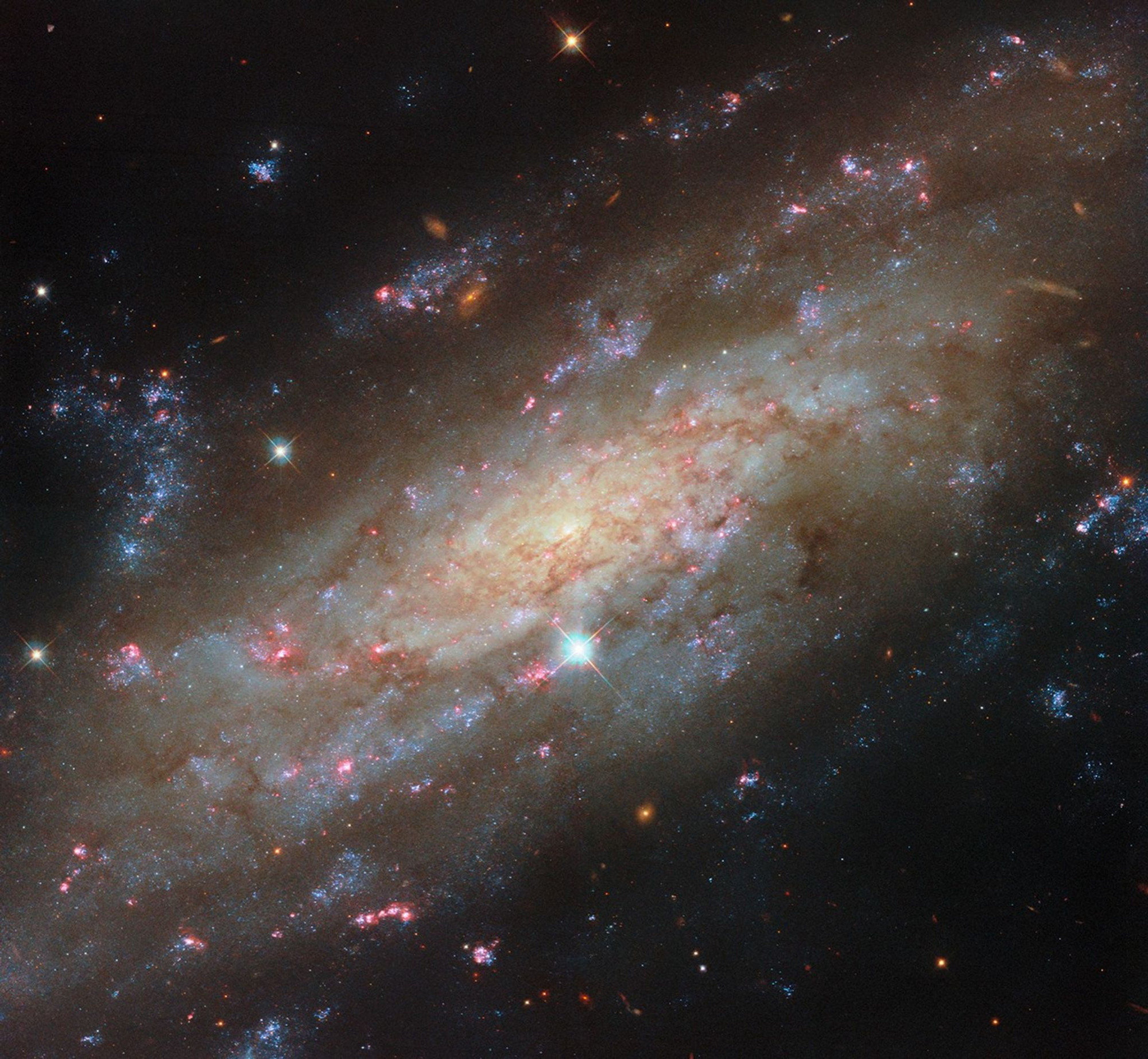
The Hubble Space Telescope, operated by NASA and ESA, has captured a striking image of the spiral galaxy NGC 3137, shining with star clusters. Located about 53 million light-years away in the constellation Antlia, this galaxy provides astronomers with a valuable opportunity to study the cycle of star birth and death. It also offers a glimpse into a galactic system similar to our own Milky Way, helping scientists understand galaxy formation and evolution better.
NGC 3137 is notable not only for its visual beauty but also for its place in the universe. It moves through space as part of a galaxy group thought to resemble the Local Group, which contains the Milky Way. This group, called NGC 3175, includes two large spiral galaxies: NGC 3137 and NGC 3175, both observed by Hubble. In our Local Group, the dominant members are the Milky Way and Andromeda, another spiral galaxy. Besides these giants, both groups host numerous smaller dwarf galaxies, with over 500 candidates identified in the NGC 3175 group. Researchers are still determining how many of these tiny companions are actual galaxies, but studying these nearby groups helps us understand the dynamics shaping our galaxy’s environment.
Studying nearby galaxy groups reveals how interactions influence galaxy evolution and structure.
This research underscores Hubble’s role in exploring the universe close to home and understanding the large-scale structure of the cosmos. The image of NGC 3137 not only showcases its beauty but also provides crucial data on how galaxies form, evolve, and interact in our cosmic neighborhood.
Article topics
Related articles

Humanoid Robot Pemba Climbs Chimborazo, Sets Sights on Everest Summit
The humanoid robot Pemba, an adaptation of the Unitree G1, recently ascended over 6,000 meters on Chimborazo and now aims to conquer Mount Everest. This technological feat paves the way for new forms of exploration in extreme environments.
Artemis III Progresses to Moon with Crucial Challenges and Mars Ambitions
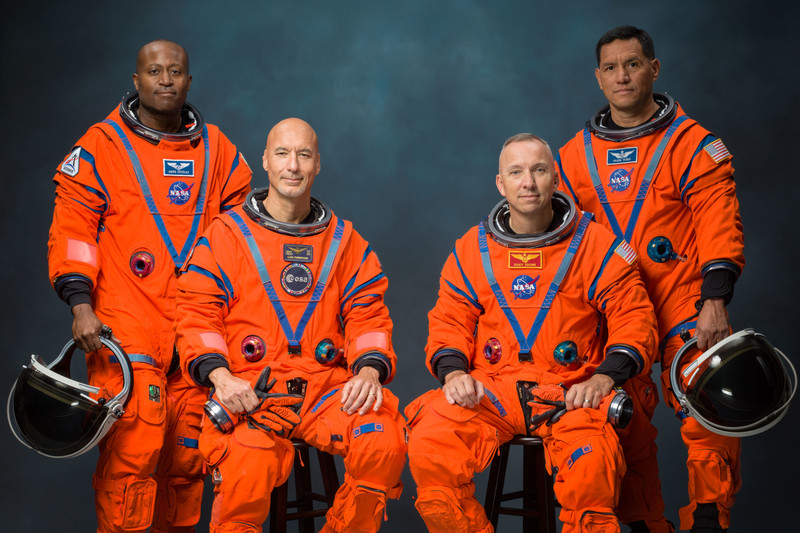
NASA's Artemis III mission aims for a sustained human presence on the Moon, navigating delays in space suit development and technical hurdles with partners SpaceX and Blue Origin.

Stanford's STEHM Model Optimizes Search for Habitable Exoplanets
Stanford University introduces STEHM, a new tool that filters exoplanets based on their ability to maintain stable atmospheres, a key condition for life.
Latest news
View all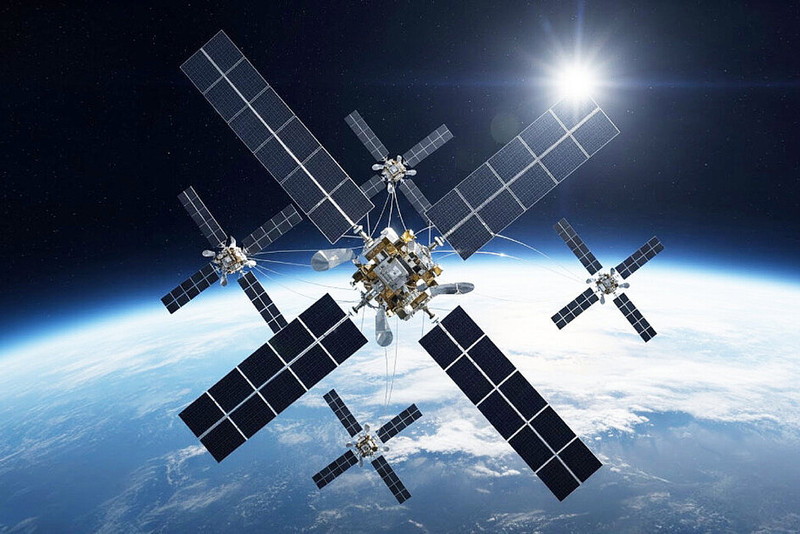
Elon Musk Plans Space Data Centers to Ease AI Energy Crisis
The escalating energy demand for artificial intelligence and terrestrial data centers is driving SpaceX to explore space-based solutions, with Starship being key to economic viability.

US Government Suspends Access to Anthropic's Fable 5 and Mythos 5 AI Models
A national security directive forces Anthropic to disable its advanced AI models, Fable 5 and Mythos 5, for all customers starting June 12, 2026.

Google Launches Gemini 3.5 Live Translate for Instant Voice Translation
Google expands real-time translation availability with Gemini 3.5 Live Translate, offering lower latency and support for over 70 languages.
Comments (0)
No comments yet. Be the first!
Leave a comment