
A “Decapitated” Asteroid May Have Created the Moon’s Largest Crater
A new simulation suggests the Polo Sur-Aitken basin formed from a single impact of a differentiated asteroid. This could change lunar history.
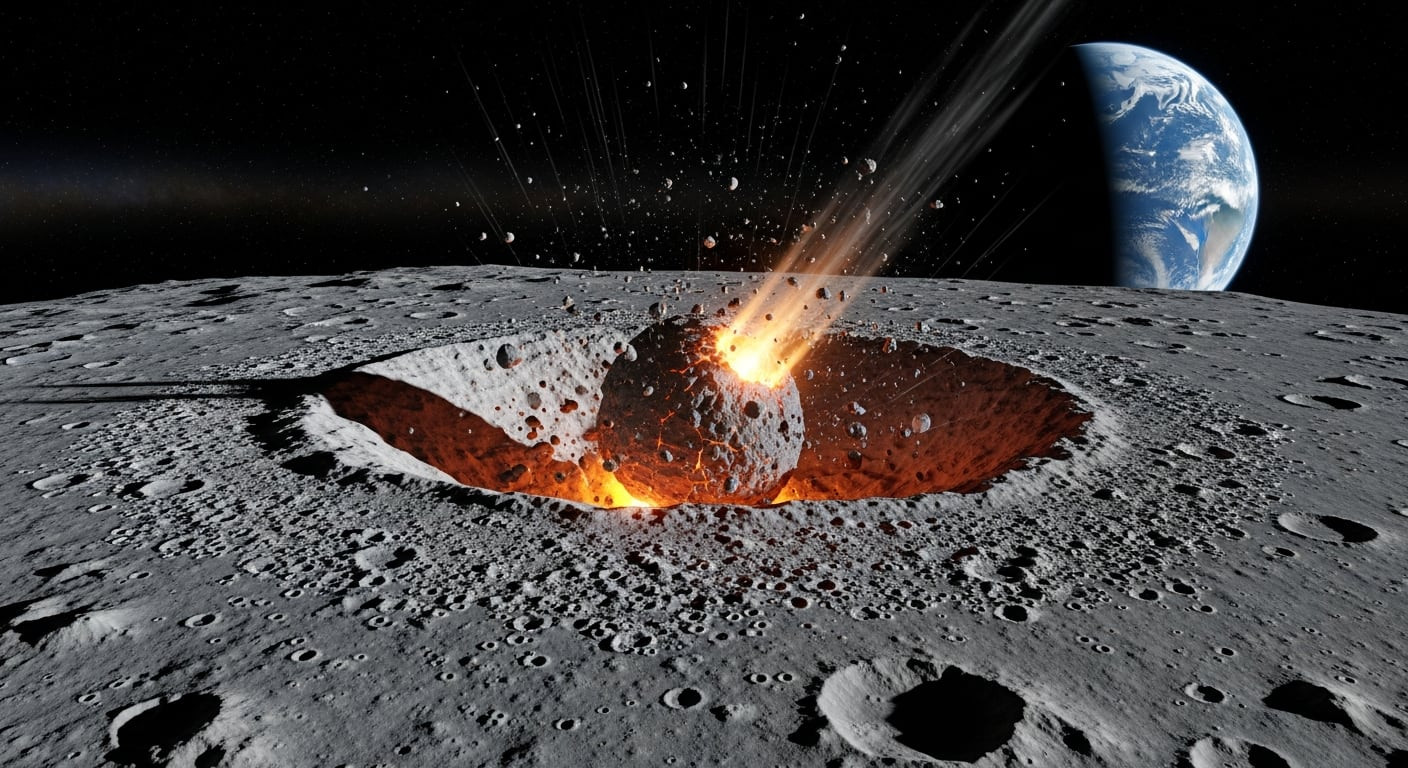
An international team of scientists has published a study proposing a new theory about the formation of the Moon’s largest basin, Polo Sur-Aitken. The research indicates that this structure resulted from a single impact of a differentiated asteroid, rather than multiple impacts or complex processes.
The high-resolution 3D simulation shows that a differentiated meteorite, with an iron core and rocky outer layer, struck the Moon at 13 km per second at a 30° angle. This impact likely produced the elliptical, tapered shape characteristic of the basin.
The impactor’s core, about 260 km in diameter, remained intact and shaped the conical profile of the structure. The outer layers detached during the collision, leaving the iron core at the crater’s center.
The Polo Sur-Aitken basin, over 2,000 km wide, is the oldest and largest on the lunar surface. It may contain materials from deep regions of the Moon, which have not been explored by previous missions.
The researchers believe that NASA’s Artemis III mission, planned to land near the lunar south pole, could collect samples of the ejecta from this impact. These samples would help determine the basin’s age and the composition of the lunar interior.
According to the model, the impact dispersed mantle materials to depths exceeding 90 km, depositing them within the basin. This opens new opportunities for future lunar exploration and understanding the Moon’s early history.
The simulation’s results match gravity measurements of the Moon, supporting the hypothesis of a single impact by a decapitated asteroid. It also explains the basin’s asymmetrical shape and the presence of deep materials near the south pole.
This discovery redefines lunar formation theories and emphasizes the importance of exploring the polar region, which may hold mineralogical and chronological records of the Moon’s formation.
If the simulation is accurate, samples from Artemis could date the basin’s formation and shed light on the Moon’s evolution over 4 billion years.
Article topics
Related articles
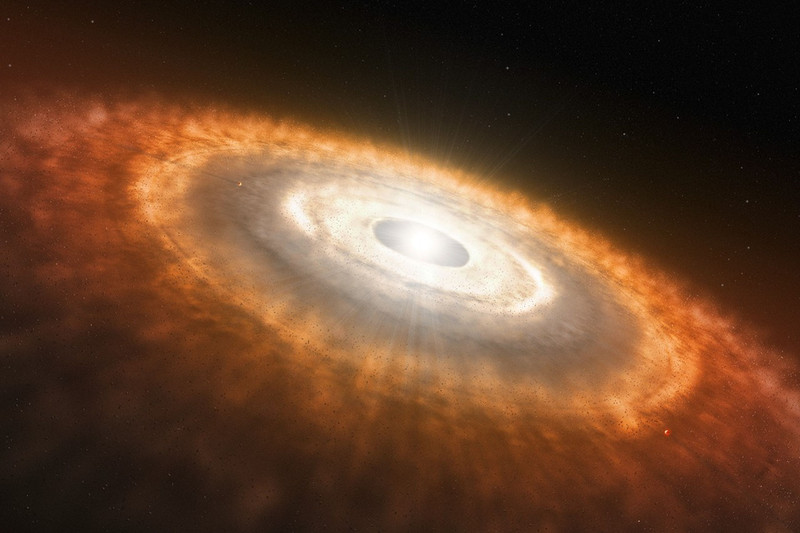
NASA Reveals New Path for Earth's Essential Life Elements
A recent study, published in Science Advances, uncovers how early Earth may have received phosphorus and nitrogen, highlighting Jupiter's critical role.
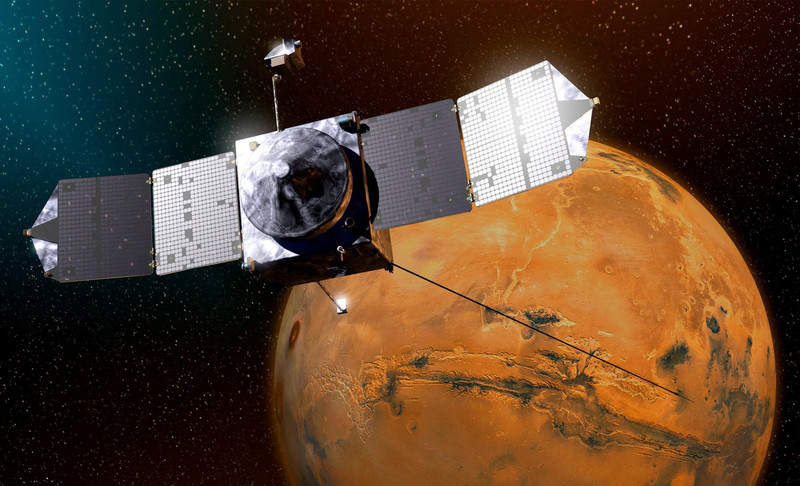
NASA's Maven Mars Orbiter Declared Out of Service After Six Months of Silence
Following an anomaly that disrupted its orbit and depleted its batteries, the Maven spacecraft, vital for understanding Mars' atmosphere, has ended its active mission. Its scientific data remains an invaluable legacy.
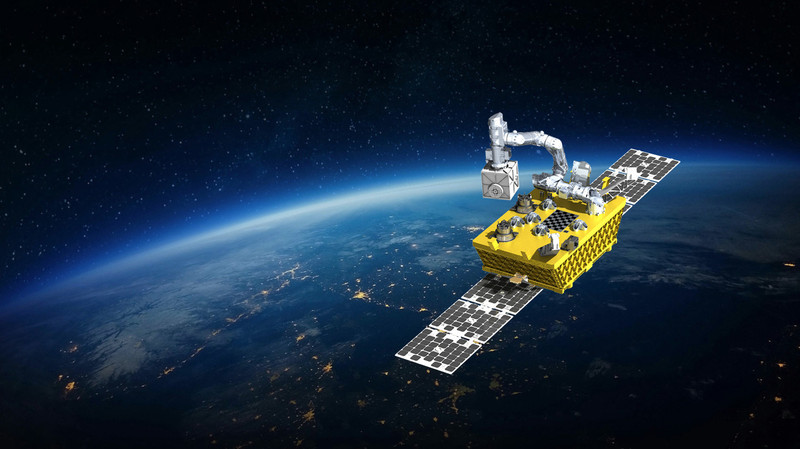
NASA Space Robotics Challenge
NASA invites U.S. researchers to submit proposals for experiments using a robotic arm that will be sent to low Earth orbit as part of the Fly Foundational Robots mission.
Latest news
View all
Stuntman Hollywood: Returns After 19 Years to PS5, Xbox Series, and PC
The iconic action and vehicular stunt franchise makes its comeback courtesy of Saber Interactive, promising a dose of nostalgia and adrenaline for the new generation.

Windows Drops NTLM: Microsoft Boosts Security with Kerberos
Microsoft is taking a crucial step to bolster security in Windows 11, announcing the deprecation of NTLM, its oldest authentication protocol, in favor of Kerberos.
Google Launches Gemma 4 12B: Local AI for Your Laptop with 16GB RAM
Google's new artificial intelligence model aims to democratize access to generative AI, allowing it to run on average consumer computers.
Comments (0)
No comments yet. Be the first!
Leave a comment