
NASA TESS uncovers over 25 potential exoplanets in binary systems
A new method based on mutual eclipses in binary stars allows TESS to detect worlds beyond our solar system, expanding its discovery capabilities.

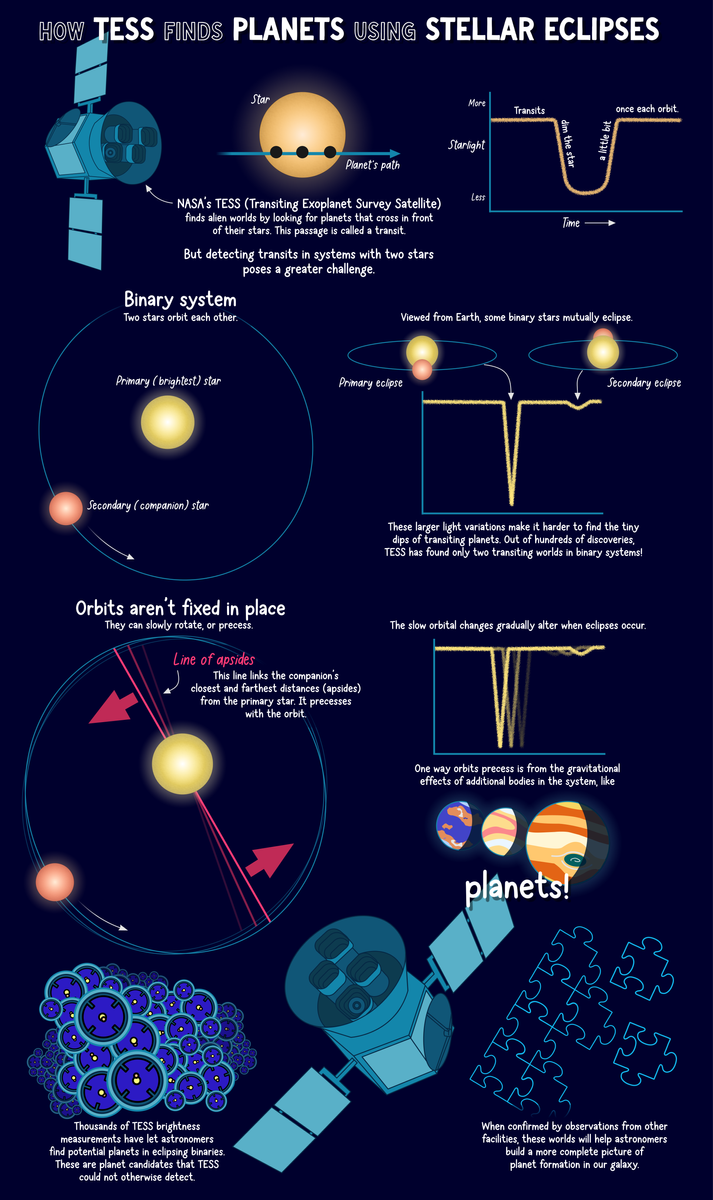
NASA's TESS (Transiting Exoplanet Survey Satellite) has identified more than 25 candidate exoplanets orbiting binary star systems, where two stars orbit each other. This breakthrough was achieved by analyzing the timing of their mutual eclipses, a technique that reveals planets that traditional transit methods might miss.
To date, TESS has confirmed 885 exoplanets and found over 7,900 candidates, mostly through the detection of transits—small dips in a star's brightness when a planet crosses in front of it. The satellite also observes thousands of eclipsing binary stars, where the stars periodically block each other's light, and these events can be influenced by unseen planets.
Studying the timing of stellar eclipses allows us to detect planets that don't produce observable transits, broadening our understanding of planetary systems.
The research, published in May in the Monthly Notices of the Royal Astronomical Society, shows that gravitational interactions, rotation, and the presence of hidden masses can cause the orbital plane of the binary to precess. These shifts in the orbit's orientation help identify planets indirectly, even if they don't transit the stars from our viewpoint.
Understanding how planets are oriented in binary systems provides clues about their formation. Some models suggest planets form near the orbital plane of the stars, increasing transit chances, while others propose a more chaotic process, resulting in tilted orbits less likely to produce transits.
This innovative approach opens new pathways for discovering worlds in complex stellar environments, where star interactions previously limited detection methods.
Article topics
Related articles
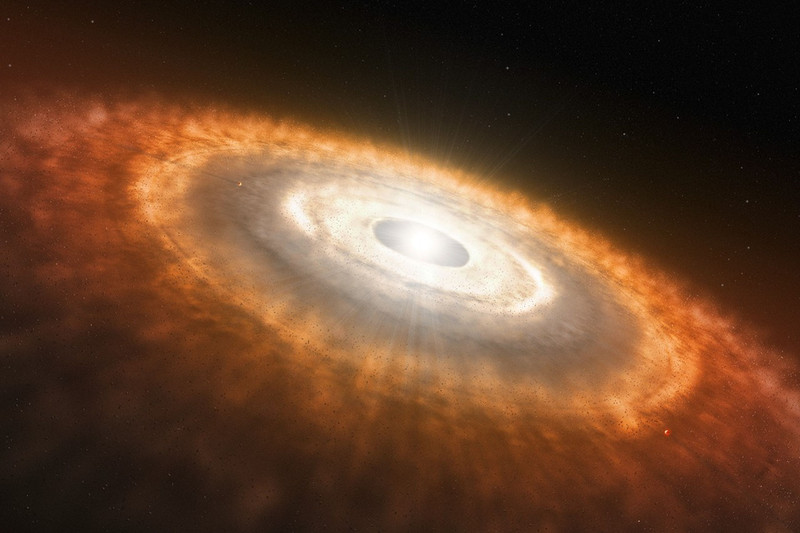
NASA Reveals New Path for Earth's Essential Life Elements
A recent study, published in Science Advances, uncovers how early Earth may have received phosphorus and nitrogen, highlighting Jupiter's critical role.
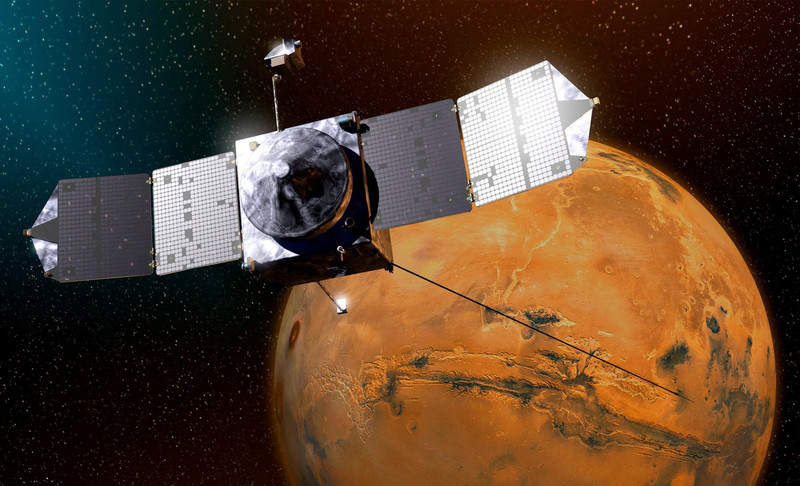
NASA's Maven Mars Orbiter Declared Out of Service After Six Months of Silence
Following an anomaly that disrupted its orbit and depleted its batteries, the Maven spacecraft, vital for understanding Mars' atmosphere, has ended its active mission. Its scientific data remains an invaluable legacy.
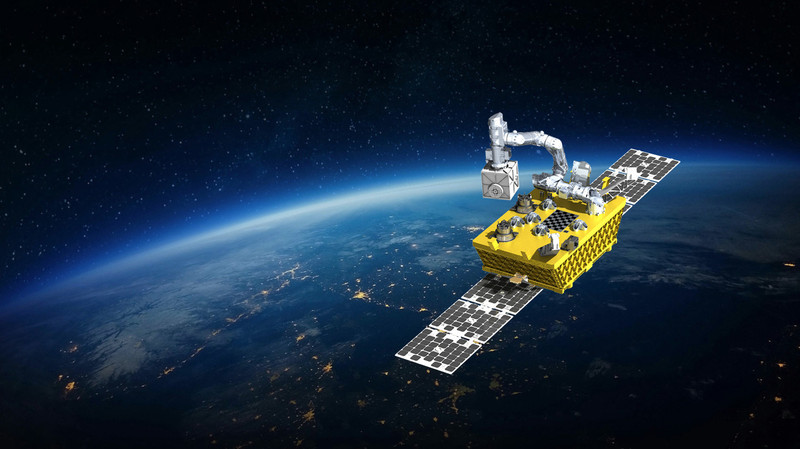
NASA Space Robotics Challenge
NASA invites U.S. researchers to submit proposals for experiments using a robotic arm that will be sent to low Earth orbit as part of the Fly Foundational Robots mission.
Latest news
View all
Stuntman Hollywood: Returns After 19 Years to PS5, Xbox Series, and PC
The iconic action and vehicular stunt franchise makes its comeback courtesy of Saber Interactive, promising a dose of nostalgia and adrenaline for the new generation.

Windows Drops NTLM: Microsoft Boosts Security with Kerberos
Microsoft is taking a crucial step to bolster security in Windows 11, announcing the deprecation of NTLM, its oldest authentication protocol, in favor of Kerberos.

Google Launches Gemma 4 12B: Local AI for Your Laptop with 16GB RAM
Google's new artificial intelligence model aims to democratize access to generative AI, allowing it to run on average consumer computers.
Comments (0)
No comments yet. Be the first!
Leave a comment