
Water droplets exploding during evaporation could revolutionize nanotech
Recent research shows charged droplets can fragment explosively without friction, opening new paths in nanotechnology and sustainable processes.
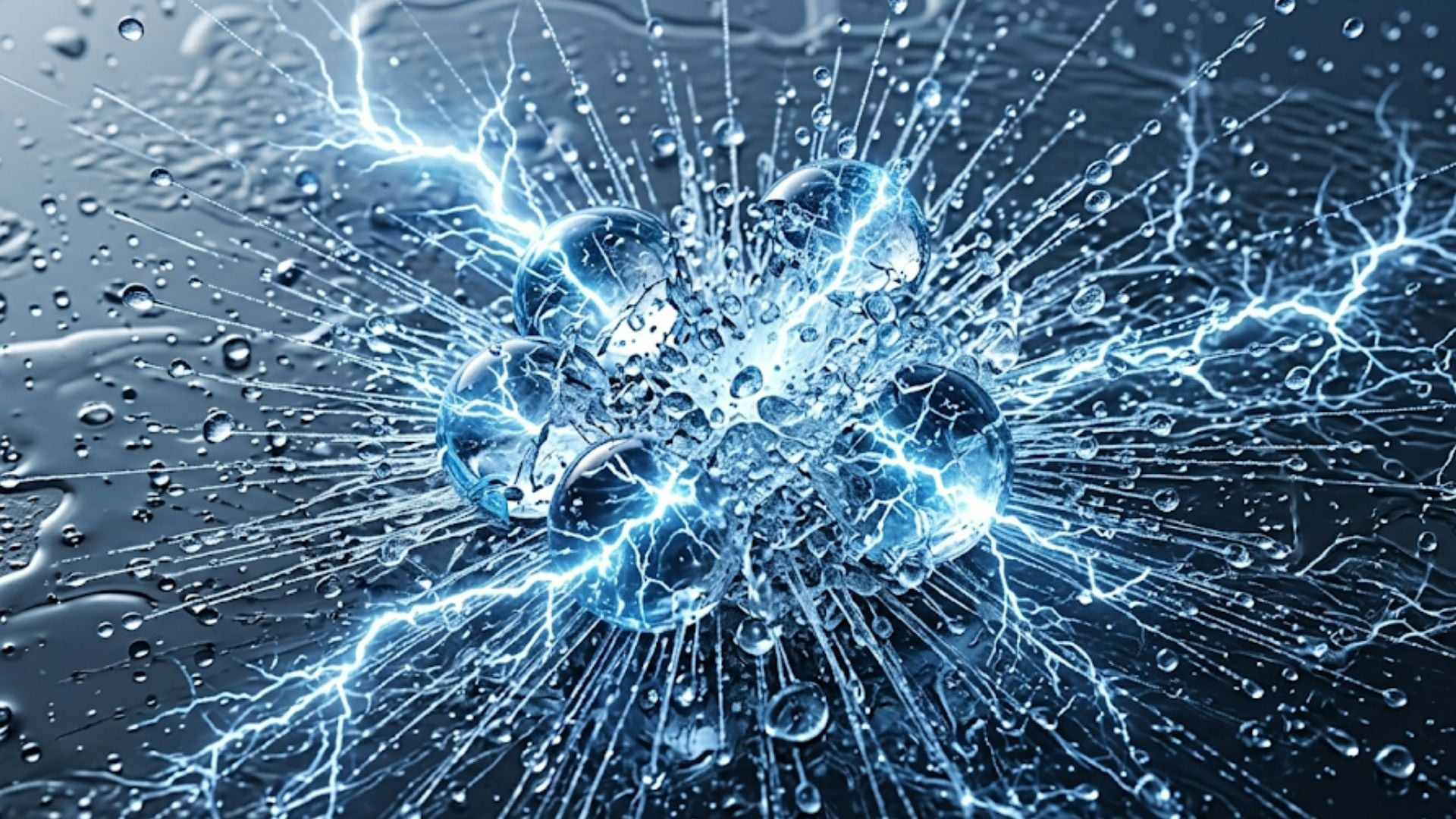
On May 8, researchers from the Okinawa Institute of Science and Technology (OIST) confirmed a phenomenon predicted in 1882 by Lord Rayleigh. Coulomb fission, which describes the violent breakup of charged droplets, was observed on frictionless surfaces for the first time. This discovery could transform electrospray techniques and nanotechnology, making them more efficient and eco-friendly.
The team, led by Professor Dan Daniel, deposited charged water droplets on plastic surfaces coated with silicone oil. The oil layer was essential to eliminate friction, allowing the droplets to change shape and spontaneously fragment. Evaporation concentrated the electric charge, triggering microexplosions that expelled charged microdroplets in microseconds.
This behavior, previously theorized only for suspended droplets, was demonstrated on solid surfaces. Controlling droplet size through oil viscosity offers new opportunities for nanofabrication and chemical analysis.
Lord Rayleigh’s prediction, which set a charge limit for droplet explosion, was validated in a completely new context. Removing friction showed that Coulomb fission physics applies on surfaces, enabling more precise control of the process.
This breakthrough has implications for nano-scale 3D printing and sustainable spray techniques. It could replace traditional high-voltage methods, promoting greener practices in nanotech and chemical analysis.
Starting at KAUST and consolidating at OIST, this research paves the way for more efficient, low-energy electrospray processes. Manipulating charge and droplet size could transform multiple industries in the coming years.
Related articles

Humanoid Robot Pemba Climbs Chimborazo, Sets Sights on Everest Summit
The humanoid robot Pemba, an adaptation of the Unitree G1, recently ascended over 6,000 meters on Chimborazo and now aims to conquer Mount Everest. This technological feat paves the way for new forms of exploration in extreme environments.
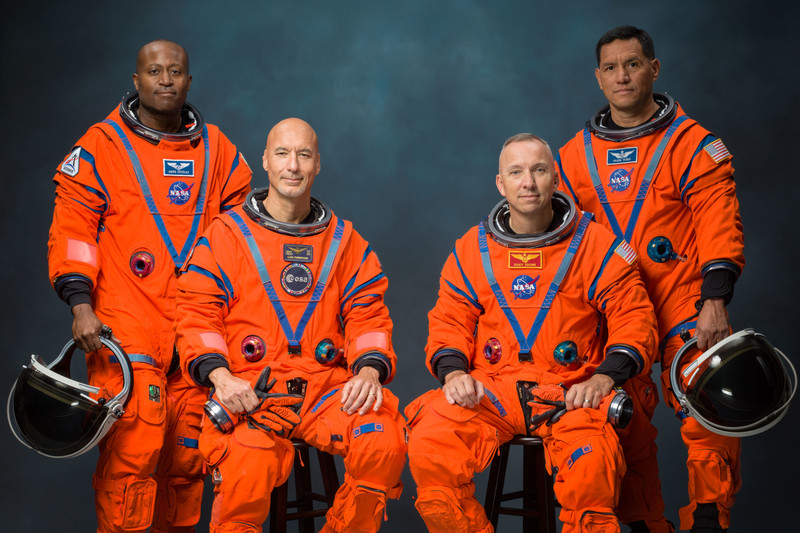
Artemis III Progresses to Moon with Crucial Challenges and Mars Ambitions
NASA's Artemis III mission aims for a sustained human presence on the Moon, navigating delays in space suit development and technical hurdles with partners SpaceX and Blue Origin.
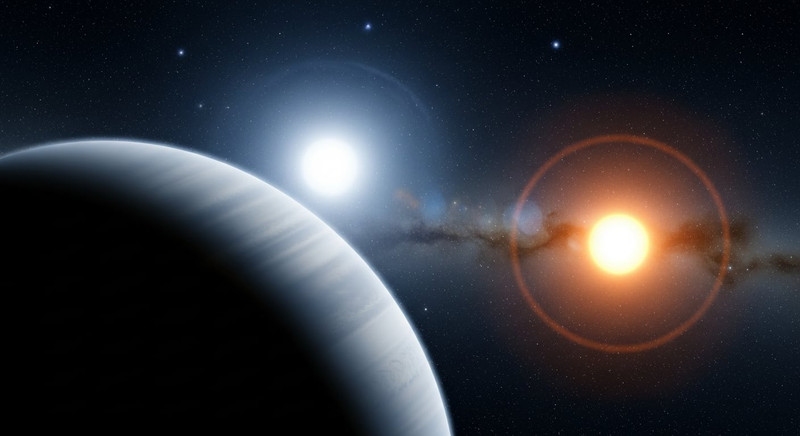
Stanford's STEHM Model Optimizes Search for Habitable Exoplanets
Stanford University introduces STEHM, a new tool that filters exoplanets based on their ability to maintain stable atmospheres, a key condition for life.
Latest news
View all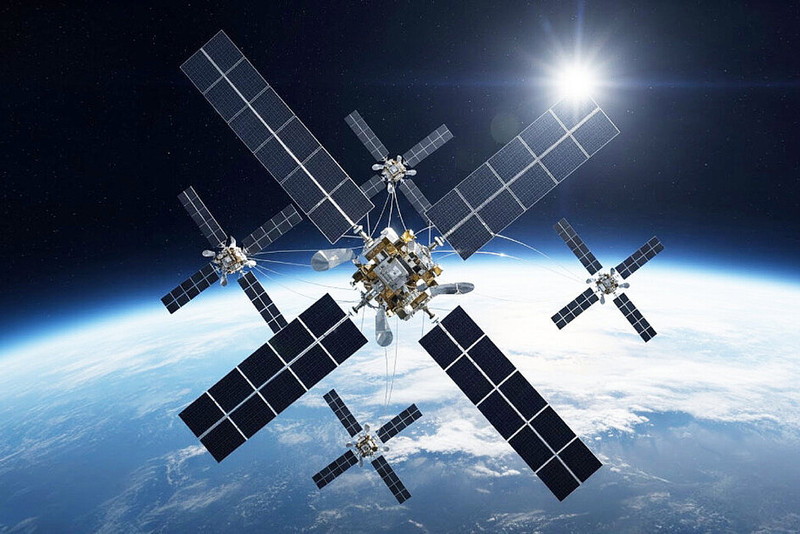
Elon Musk Plans Space Data Centers to Ease AI Energy Crisis
The escalating energy demand for artificial intelligence and terrestrial data centers is driving SpaceX to explore space-based solutions, with Starship being key to economic viability.

US Government Suspends Access to Anthropic's Fable 5 and Mythos 5 AI Models
A national security directive forces Anthropic to disable its advanced AI models, Fable 5 and Mythos 5, for all customers starting June 12, 2026.

Google Launches Gemini 3.5 Live Translate for Instant Voice Translation
Google expands real-time translation availability with Gemini 3.5 Live Translate, offering lower latency and support for over 70 languages.
Comments (0)
No comments yet. Be the first!
Leave a comment