
Science
Science news
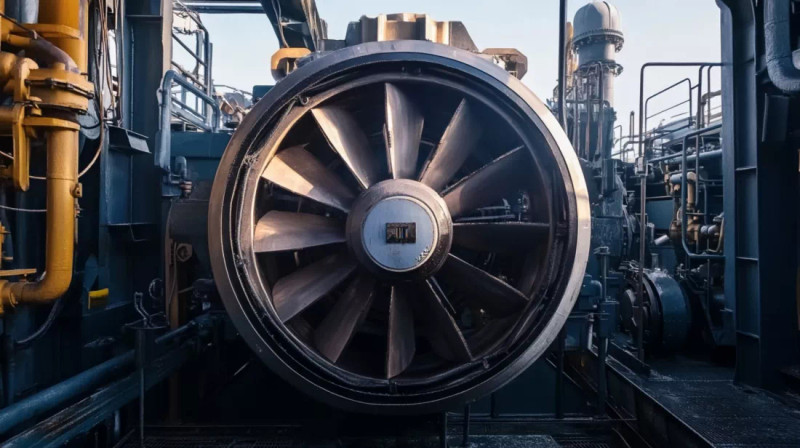
New Self-Healing Material Boosts Lifespan of Cars and Aircraft
An innovative composite material can repair structural damage over 1,000 times. This breakthrough will extend the operational life of vehicles and aircraft.
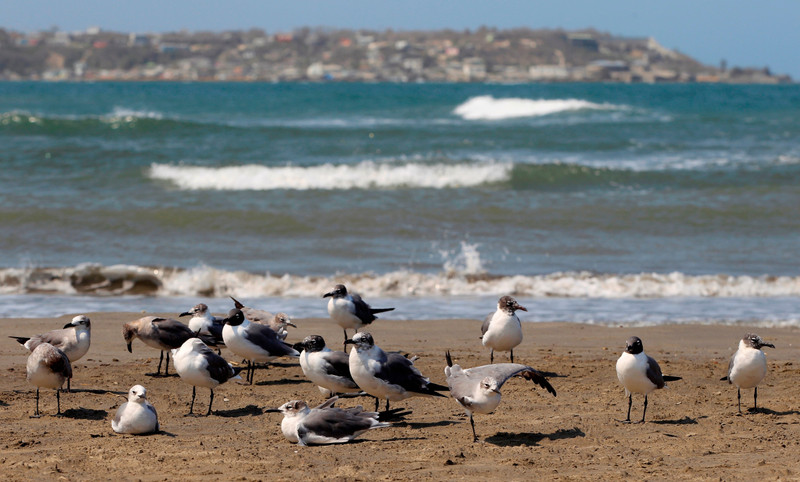
Antarctic Birds: Study Uncovers Climate Change Impact Over Millennia
Research in "Proceedings of the National Academy of Sciences" analyzed guano to understand how winds and climate shaped Antarctic seabird populations, issuing a warning for their future.

SpaceX Accelerates Employee Share Vesting Ahead of Historic IPO
Elon Musk's company moved up the vesting date for employee shares, a key step towards its anticipated public offering with a projected valuation over $2 trillion.
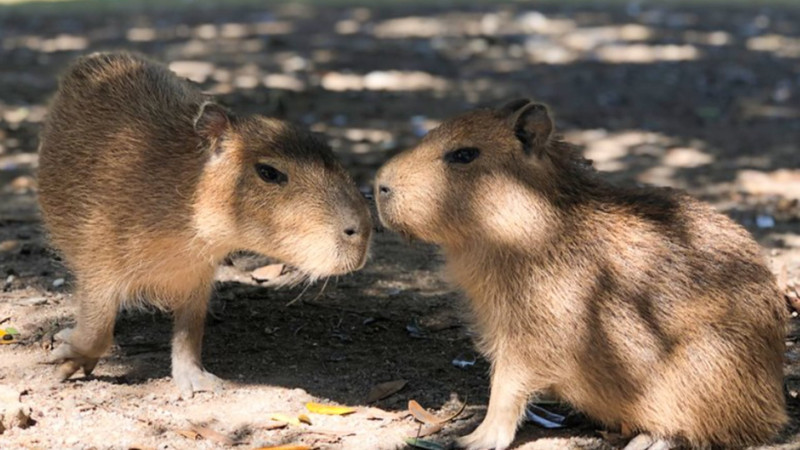
Giant Capybara Fossils Over 4.5 Million Years Old Discovered in Chile
An extraordinary find in the La Araucanía Region rewrites the country's natural history, revealing the presence of these prehistoric rodents.

AI Predicts Melanoma Risk Up to Five Years in Advance Using Health Data
Swedish researchers developed artificial intelligence models capable of anticipating melanoma development. This technology uses routine health data to identify high-risk individuals.
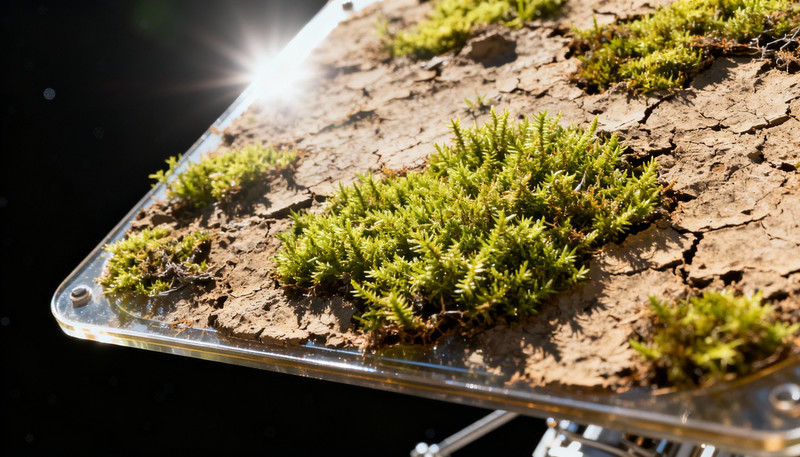
Moss on the ISS: A Giant Leap Towards Terraforming Mars
A recent study demonstrated moss's ability to survive in space, opening exciting new possibilities. This finding brings humanity closer to the dream of transforming the Red Planet.
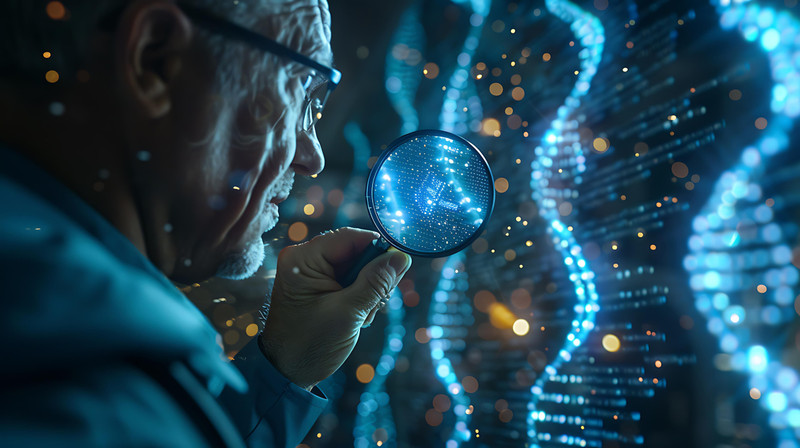
Genome Sequencing Unlocks Rare Disease Diagnoses
This cutting-edge technology now provides accurate genetic diagnoses for one in four individuals with suspected rare diseases. It guides targeted care and shapes newborn screening programs globally.
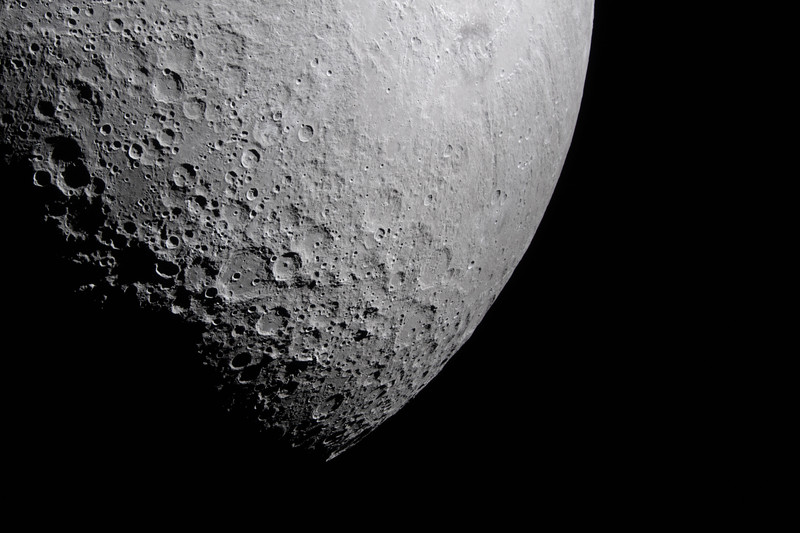
The Moon's Far Side at the Terminator: A Captivating Look at its Shadows
A captivating view of the Moon’s far side emerges along the terminator, the dynamic boundary between lunar day and night.

SpaceX Fires Up World's Largest Rocket, Starship, for Crucial Flight
A successful static fire test brings the massive space vehicle closer to its next orbital launch, vital for humanity's return to the Moon.

Saturn's rings formed from a destroyed moon, study says
A new model suggests Saturn's rings came from the breakup of an ancient moon called Chrysalis between 100 and 200 million years ago.

Artemis II's "Rise" Plushie: The Freelancers Powering NASA's Mission
The viral "Rise" plushie, a zero-gravity indicator for NASA's Artemis II mission, holds a deeper story. Behind its popularity, a team of talented freelancers made its creation and impact possible.
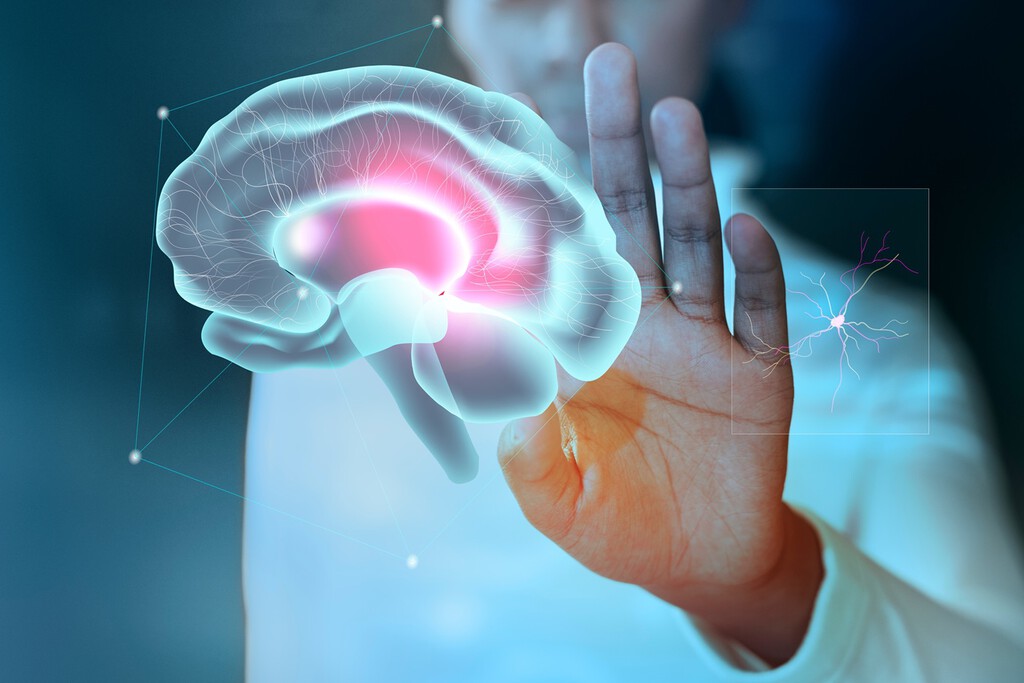
Scientific Breakthrough: Activity Recovered in Vitrified Mouse Brain Tissue
Recent research successfully restored neuronal activity in mouse brain samples after a vitrification process, opening new doors for study without implying "resurrection."