
The Moon's Far Side at the Terminator: A Captivating Look at its Shadows
A captivating view of the Moon’s far side emerges along the terminator, the dynamic boundary between lunar day and night.

A captivating view of the Moon’s far side emerges along the terminator, the dynamic boundary between lunar day and night. This region holds immense scientific importance. Low-angle sunlight creates dramatic, elongated shadows across the surface, revealing the intricate topography of our natural satellite with astonishing clarity.
The terminator is far more than just a simple dividing line. It represents a zone of extreme contrasts, where temperatures can fluctuate drastically within just a few kilometers. Here, the sun barely skims the horizon, producing a unique visual effect. Geological formations stretch into long shadows, magnifying every crater and mountain peak.
The Moon's far side, perpetually hidden from direct Earth observation, possesses distinct geological features compared to its near side. It boasts a thicker crust and fewer dark basaltic plains, known as "maria." Studying this side is crucial for understanding the Moon's asymmetrical evolution. Modern space missions are essential for mapping this intriguing region.
Each shadow tells a part of the Moon's fascinating geological story.
Observing these shadows is akin to reading a three-dimensional map of the lunar terrain. Scientists leverage the length and shape of these shadows to calculate the height of peaks and the depth of craters. This method allows us to reconstruct the history of impacts and volcanism on the lunar surface. Each shadow tells a part of the Moon's fascinating geological story.
Exploring the far side and the terminator is a cornerstone of future lunar missions. Understanding these extreme conditions is vital for designing permanent lunar bases. It is also crucial for resource prospecting, particularly for water ice in permanently shadowed craters. The scientific community is dedicated to unraveling these profound mysteries.
Every new image from this region brings us closer to understanding the secrets of our cosmic neighbor. The Moon remains an inexhaustible subject of study. Its far side, bathed in light at the edge of night, invites us to continue exploring its wonders. The future of lunar exploration truly looks incredibly promising!
Article topics
Related articles
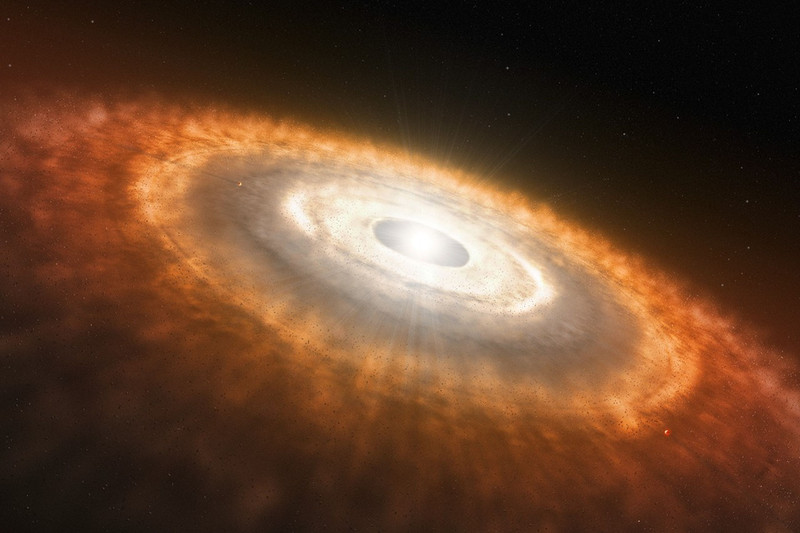
NASA Reveals New Path for Earth's Essential Life Elements
A recent study, published in Science Advances, uncovers how early Earth may have received phosphorus and nitrogen, highlighting Jupiter's critical role.
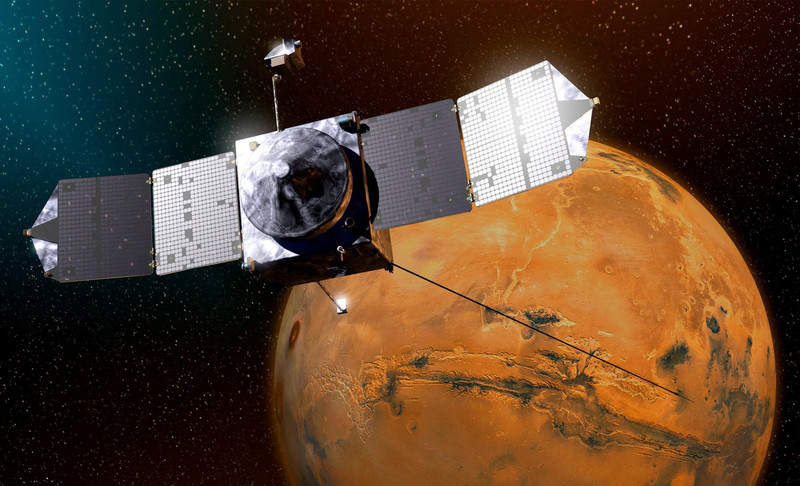
NASA's Maven Mars Orbiter Declared Out of Service After Six Months of Silence
Following an anomaly that disrupted its orbit and depleted its batteries, the Maven spacecraft, vital for understanding Mars' atmosphere, has ended its active mission. Its scientific data remains an invaluable legacy.
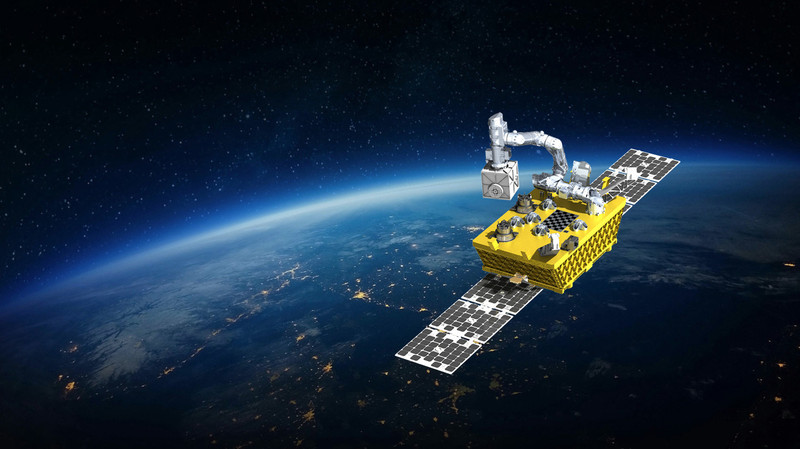
NASA Space Robotics Challenge
NASA invites U.S. researchers to submit proposals for experiments using a robotic arm that will be sent to low Earth orbit as part of the Fly Foundational Robots mission.
Latest news
View all
Stuntman Hollywood: Returns After 19 Years to PS5, Xbox Series, and PC
The iconic action and vehicular stunt franchise makes its comeback courtesy of Saber Interactive, promising a dose of nostalgia and adrenaline for the new generation.

Windows Drops NTLM: Microsoft Boosts Security with Kerberos
Microsoft is taking a crucial step to bolster security in Windows 11, announcing the deprecation of NTLM, its oldest authentication protocol, in favor of Kerberos.
Google Launches Gemma 4 12B: Local AI for Your Laptop with 16GB RAM
Google's new artificial intelligence model aims to democratize access to generative AI, allowing it to run on average consumer computers.
Comments (0)
No comments yet. Be the first!
Leave a comment