
Moss on the ISS: A Giant Leap Towards Terraforming Mars
A recent study demonstrated moss's ability to survive in space, opening exciting new possibilities. This finding brings humanity closer to the dream of transforming the Red Planet.

Scientists have achieved a significant breakthrough for the future terraforming of Mars. Last year, a study revealed that moss can survive the extreme conditions of space. This research involved covering the exterior of the International Space Station (ISS) with these primitive plants. The positive results open a tangible path toward transforming other planets.
Moss, one of the first plants on Earth, is incredibly resilient. These bryophytes can grow directly on rocks, performing photosynthesis. This vital process converts carbon dioxide into oxygen. Furthermore, they generate organic matter that enriches the soil upon their death. This prepares the ground for the growth of more complex plants.
That natural resilience was key to the space experiment. The idea was to test if moss could withstand the hostile environment outside our planet. The results were so positive that moss is now considered a promising candidate for terraforming. It could be fundamental in creating breathable atmospheres on Mars or even the Moon.
Over 80% of the mosses exposed on the ISS survived and germinated upon their return to Earth.
The study demonstrated the incredible tenacity of moss. Samples exposed on the ISS endured 283 days of freezing temperatures. They also withstood intense ultraviolet radiation. Upon returning to Earth, over 80% of the plants were still alive. They even managed to germinate when planted, an astonishing outcome.
The idea of transforming other worlds is not new, though for a long time it was largely a fantasy. Carl Sagan, in 1961, proposed terraforming Venus. He suggested seeding cyanobacteria in its clouds to produce oxygen. These bacteria perform photosynthesis, much like plants. However, it was later discovered that Venus's clouds are made of sulfuric acid. This rendered his visionary proposal unfeasible.
Despite the challenge of Venus, Mars presents much greater potential for terraforming. It is an inhospitable planet, but with promising resources. Last year, a study in the journal "Nature" explored how to transform the Red Planet. The goal is to convert it into an environment more similar to Earth. This dream, now with moss, seems one step closer to reality.
Article topics
Related articles
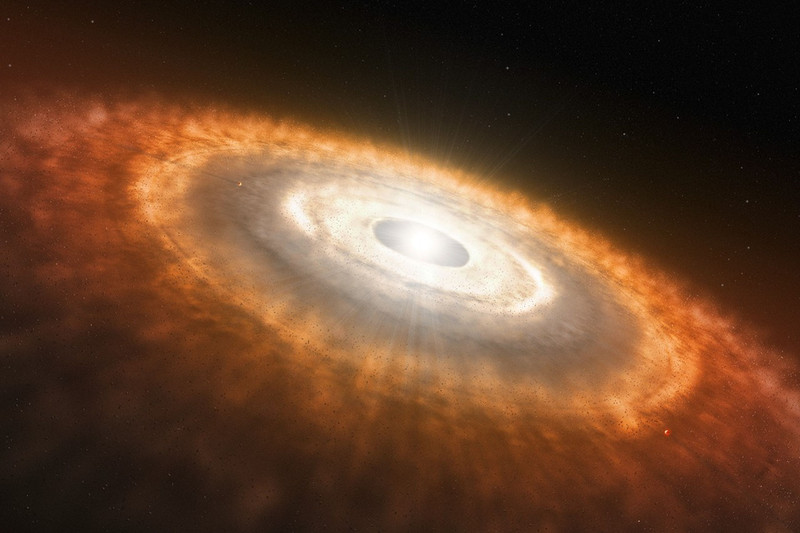
NASA Reveals New Path for Earth's Essential Life Elements
A recent study, published in Science Advances, uncovers how early Earth may have received phosphorus and nitrogen, highlighting Jupiter's critical role.
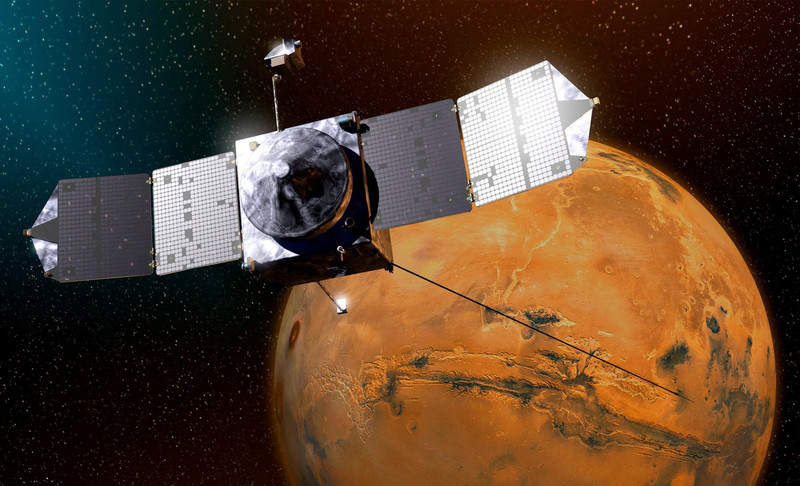
NASA's Maven Mars Orbiter Declared Out of Service After Six Months of Silence
Following an anomaly that disrupted its orbit and depleted its batteries, the Maven spacecraft, vital for understanding Mars' atmosphere, has ended its active mission. Its scientific data remains an invaluable legacy.
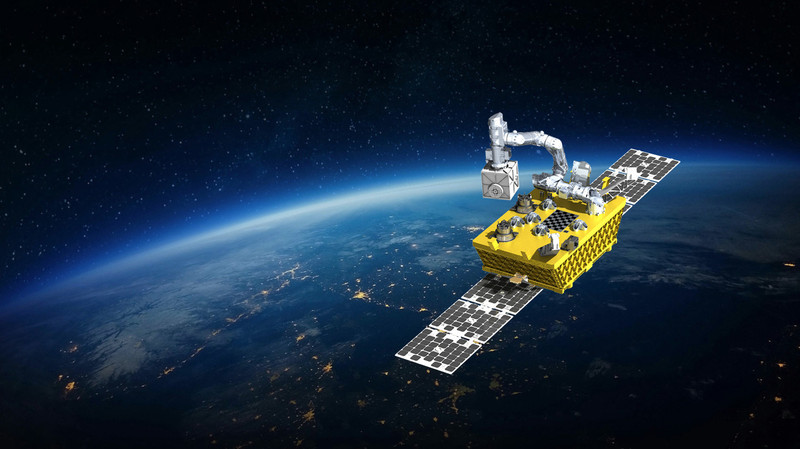
NASA Space Robotics Challenge
NASA invites U.S. researchers to submit proposals for experiments using a robotic arm that will be sent to low Earth orbit as part of the Fly Foundational Robots mission.
Latest news
View all
Stuntman Hollywood: Returns After 19 Years to PS5, Xbox Series, and PC
The iconic action and vehicular stunt franchise makes its comeback courtesy of Saber Interactive, promising a dose of nostalgia and adrenaline for the new generation.

Windows Drops NTLM: Microsoft Boosts Security with Kerberos
Microsoft is taking a crucial step to bolster security in Windows 11, announcing the deprecation of NTLM, its oldest authentication protocol, in favor of Kerberos.

Google Launches Gemma 4 12B: Local AI for Your Laptop with 16GB RAM
Google's new artificial intelligence model aims to democratize access to generative AI, allowing it to run on average consumer computers.
Comments (0)
No comments yet. Be the first!
Leave a comment