
Ciencia Espacial
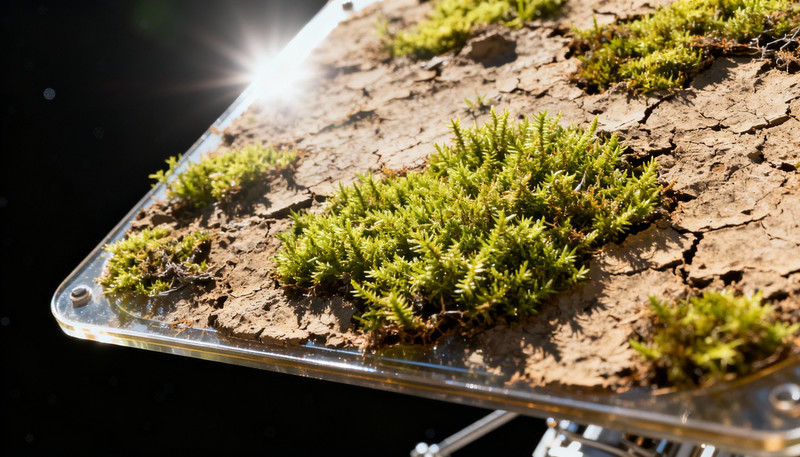
Moss on the ISS: A Giant Leap Towards Terraforming Mars
A recent study demonstrated moss's ability to survive in space, opening exciting new possibilities. This finding brings humanity closer to the dream of transforming the Red Planet.
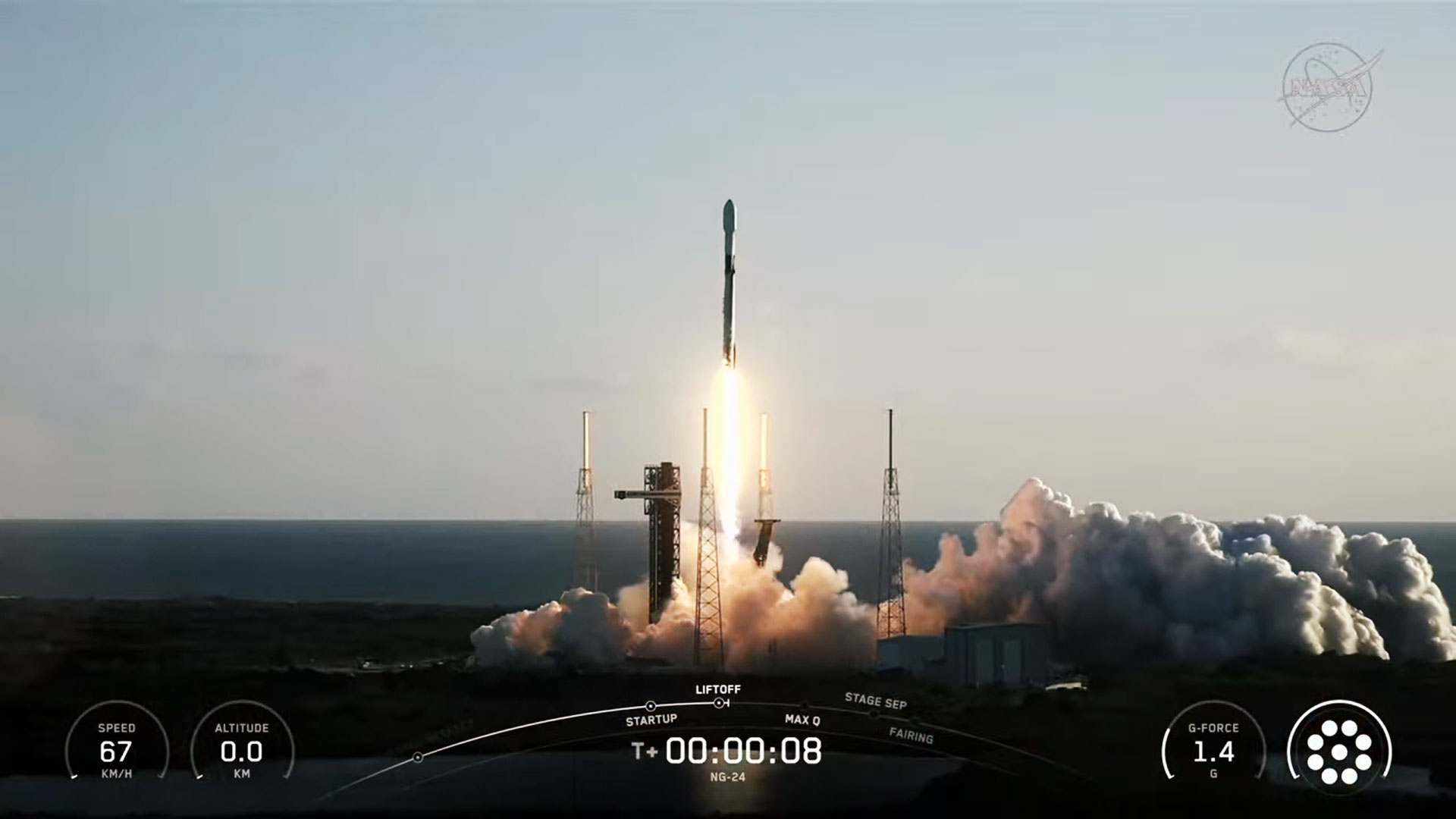
Northrop Grumman CRS-24 Mission: A Critical Boost for Science on the International Space Station
Northrop Grumman's Cygnus XL cargo spacecraft, propelled by a SpaceX Falcon 9 rocket, has begun its journey to the International Space Station, carrying over 11,000 pounds of vital supplies and cutting-edge scientific experiments. This CRS-24 mission promises to significantly advance key areas of space and terrestrial research.

We Knew There Was Water on the Moon, But Not Why Some Craters Were Empty. Now We Have the Answer
Scientists from the University of Colorado Boulder explain why some permanently shadowed lunar craters lack ice, despite ideal conditions.
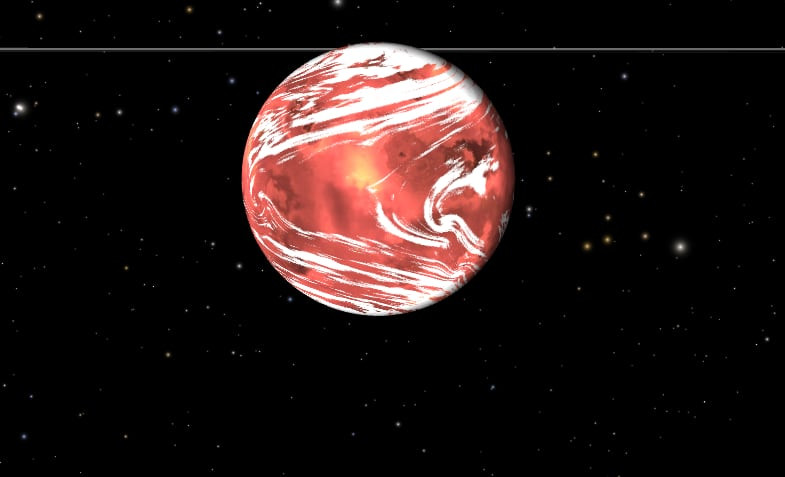
L 98-59 d: The Exoplanet with Magma Oceans and a 'Rotten Egg' Atmosphere Challenging Science
An international team of scientists, utilizing the James Webb Space Telescope, has discovered L 98-59 d, an exoplanet 35 light-years from Earth with temperatures exceeding 1,900 degrees Celsius and an atmosphere rich in hydrogen sulfide, giving it a 'rotten egg' smell. This unique world, featuring magma oceans, redefines our understanding of planetary diversity.