
SpaceX Fires Up World's Largest Rocket, Starship, for Crucial Flight
A successful static fire test brings the massive space vehicle closer to its next orbital launch, vital for humanity's return to the Moon.
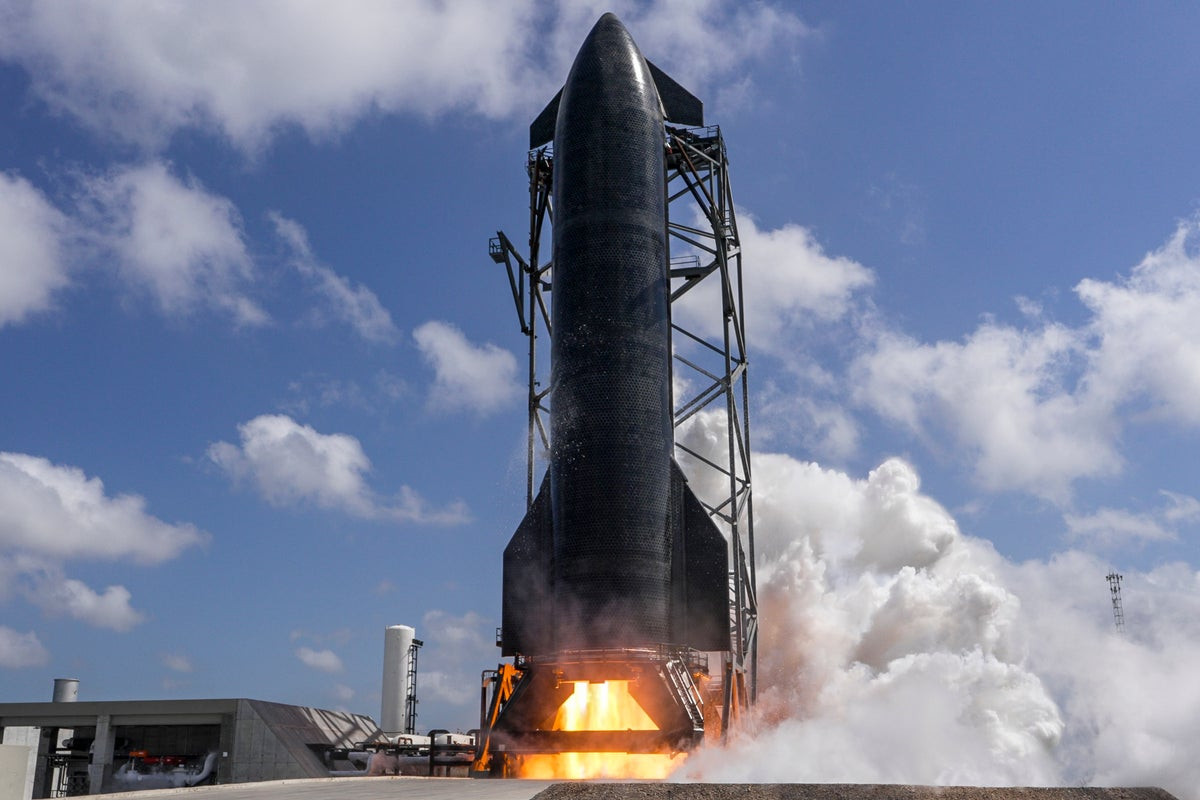
SpaceX successfully completed a static fire test of its Starship rocket, the world's largest space vehicle. This crucial milestone occurred at the Starbase facility in Boca Chica, Texas, marking a key step towards its next orbital test flight. Starship is central to NASA's Artemis program, which aims to return astronauts to the Moon.
Starship is central to NASA's Artemis program, which aims to return astronauts to the Moon.
A static fire is a vital test where the rocket's engines ignite at full power while the vehicle remains anchored to the launchpad. This maneuver allows the SpaceX team to verify the functionality of the Raptor engines and propulsion systems before an actual launch. It is an indispensable step to ensure the rocket's safety and performance.
Starship represents an unprecedented ambition in space exploration. Standing nearly 120 meters tall, it is designed to be fully reusable, encompassing both its first stage (Super Heavy) and second stage (Starship). This approach aims to drastically reduce the costs of space travel, opening new possibilities for science and space tourism.
NASA's Artemis program aims to establish a sustainable human presence on the Moon. Starship will serve as the human landing system, transporting astronauts from lunar orbit to the surface. This return to the Moon is not just a milestone; it is a stepping stone for future crewed missions to Mars and beyond.
Starship's development has been an iterative process, characterized by bold testing and continuous learning. Every test flight, even those that did not achieve all their objectives, provided valuable data for the engineering team. This "test, learn, and repeat" philosophy is crucial for the rapid advancement of space technology.
The global community of space enthusiasts watches every Starship advancement with great anticipation. Its success could redefine our ability to explore the cosmos, making interplanetary travel a closer reality. We are witnessing the dawn of a new era in space exploration!
Article topics
Related articles

Humanoid Robot Pemba Climbs Chimborazo, Sets Sights on Everest Summit
The humanoid robot Pemba, an adaptation of the Unitree G1, recently ascended over 6,000 meters on Chimborazo and now aims to conquer Mount Everest. This technological feat paves the way for new forms of exploration in extreme environments.
Artemis III Progresses to Moon with Crucial Challenges and Mars Ambitions
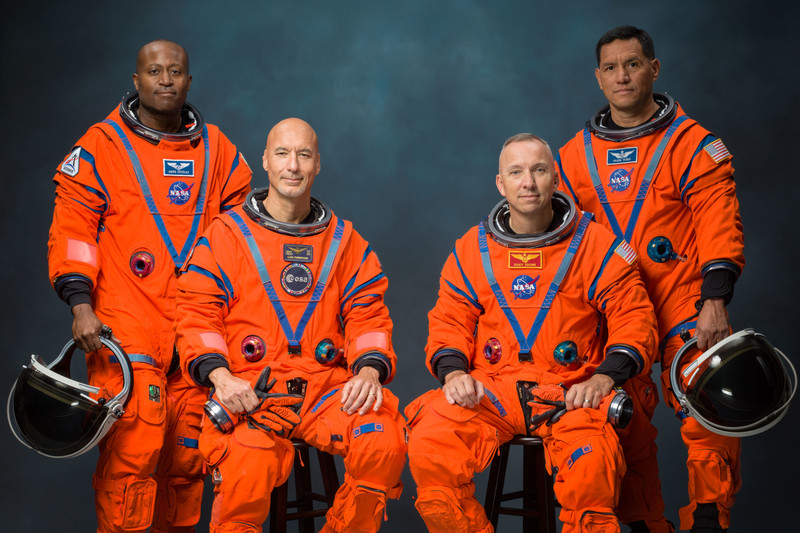
NASA's Artemis III mission aims for a sustained human presence on the Moon, navigating delays in space suit development and technical hurdles with partners SpaceX and Blue Origin.
Stanford's STEHM Model Optimizes Search for Habitable Exoplanets
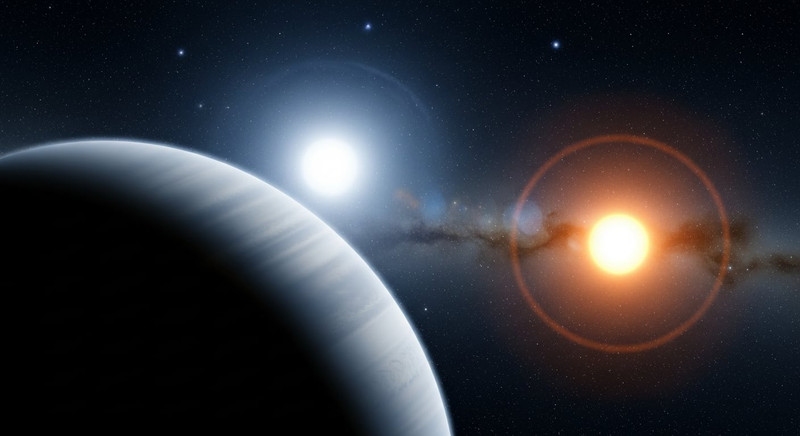
Stanford University introduces STEHM, a new tool that filters exoplanets based on their ability to maintain stable atmospheres, a key condition for life.
Latest news
View all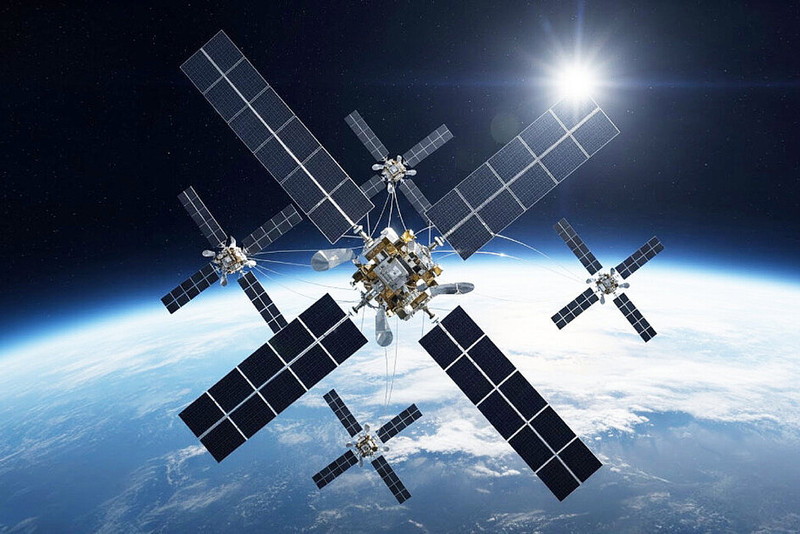
Elon Musk Plans Space Data Centers to Ease AI Energy Crisis
The escalating energy demand for artificial intelligence and terrestrial data centers is driving SpaceX to explore space-based solutions, with Starship being key to economic viability.

US Government Suspends Access to Anthropic's Fable 5 and Mythos 5 AI Models
A national security directive forces Anthropic to disable its advanced AI models, Fable 5 and Mythos 5, for all customers starting June 12, 2026.

Google Launches Gemini 3.5 Live Translate for Instant Voice Translation
Google expands real-time translation availability with Gemini 3.5 Live Translate, offering lower latency and support for over 70 languages.
Comments (0)
No comments yet. Be the first!
Leave a comment