
New Self-Healing Material Boosts Lifespan of Cars and Aircraft
An innovative composite material can repair structural damage over 1,000 times. This breakthrough will extend the operational life of vehicles and aircraft.
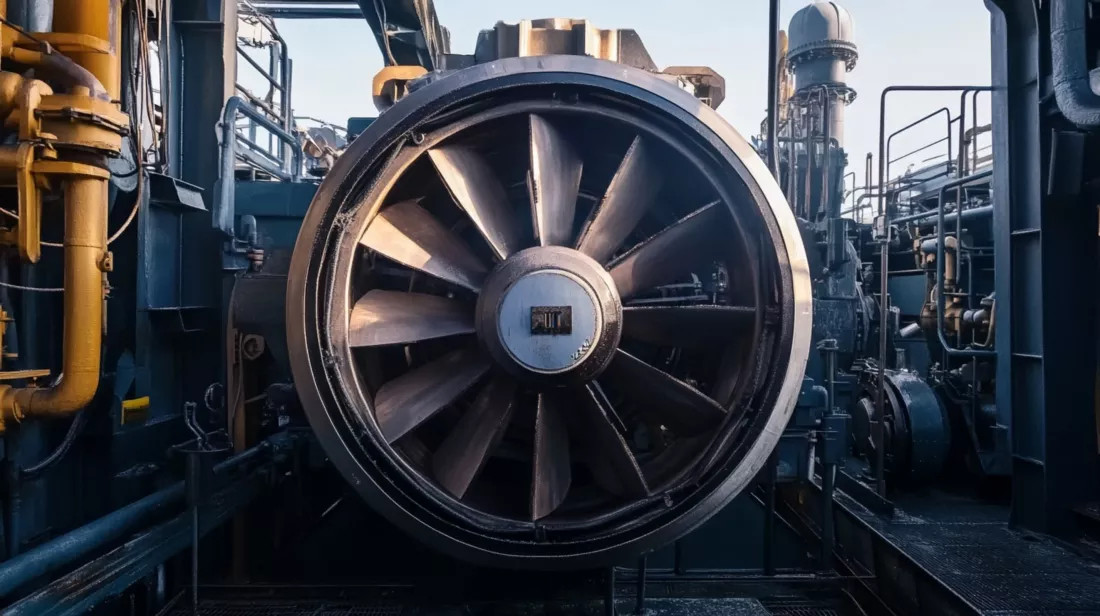
A groundbreaking self-healing composite material has been developed. This innovation promises to revolutionize the durability of cars and aircraft. It can repair structural damage over 1,000 times, significantly extending their operational lifespan. The material directly addresses "delamination," a critical failure in fiber reinforced polymer materials.
Delamination occurs when layers within composite materials begin to separate. This structural weakness is a common issue in fiber reinforced polymers (FRPs). FRPs are lightweight, strong materials widely used across industries. Their failure due to delamination poses safety risks and incurs high maintenance costs.
It can repair structural damage over 1,000 times, significantly extending their operational lifespan.
The new composite material visually resembles traditional FRPs. However, its internal design makes it inherently tougher and more resilient. It is significantly less prone to cracking or breaking under stress. Its remarkable self-healing capability underpins its long-term durability.
When a layer separation occurs, the material activates its repair mechanism. This process effectively re-bonds the separated layers. This innovation could drastically reduce the need for frequent material replacements. Imagine cars and planes that "heal" themselves from minor damages!
The implications for the automotive and aerospace industries are profound. We could see safer vehicles with a reduced environmental footprint. Decreased waste generation and optimized resource use are clear advantages. This material represents a milestone towards more sustainable engineering practices.
We are entering a future where durability and efficiency reach new heights. This development stands as a testament to human ingenuity. It brings us closer to technological solutions that protect our planet and enhance safety. This is a monumental leap for material science!
Related articles
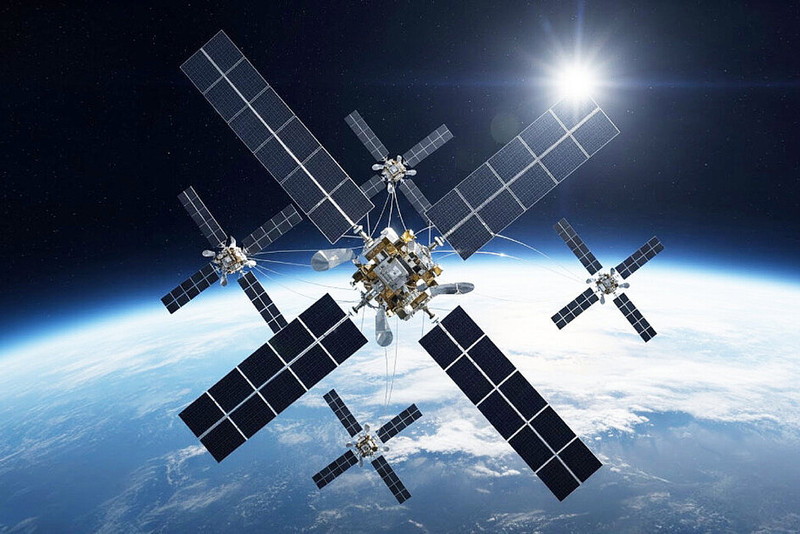
Elon Musk Plans Space Data Centers to Ease AI Energy Crisis
The escalating energy demand for artificial intelligence and terrestrial data centers is driving SpaceX to explore space-based solutions, with Starship being key to economic viability.

Windows 95 Runs on Texas Instruments Graphing Calculator
A modder successfully ported Windows 95 to a TI-Nspire CX II, showcasing modern calculator hardware capabilities.

Humanoid Robot Pemba Climbs Chimborazo, Sets Sights on Everest Summit
The humanoid robot Pemba, an adaptation of the Unitree G1, recently ascended over 6,000 meters on Chimborazo and now aims to conquer Mount Everest. This technological feat paves the way for new forms of exploration in extreme environments.
Latest news
View all
US Government Suspends Access to Anthropic's Fable 5 and Mythos 5 AI Models
A national security directive forces Anthropic to disable its advanced AI models, Fable 5 and Mythos 5, for all customers starting June 12, 2026.

Google Launches Gemini 3.5 Live Translate for Instant Voice Translation
Google expands real-time translation availability with Gemini 3.5 Live Translate, offering lower latency and support for over 70 languages.
SpaceX IPO Values Company at $1.77 Trillion on Nasdaq
SpaceX's anticipated public offering on the Nasdaq positions it as the seventh most valuable U.S. listed company, marking a significant financial milestone.
Comments (0)
No comments yet. Be the first!
Leave a comment