
Scientific Breakthrough: Activity Recovered in Vitrified Mouse Brain Tissue
Recent research successfully restored neuronal activity in mouse brain samples after a vitrification process, opening new doors for study without implying "resurrection."
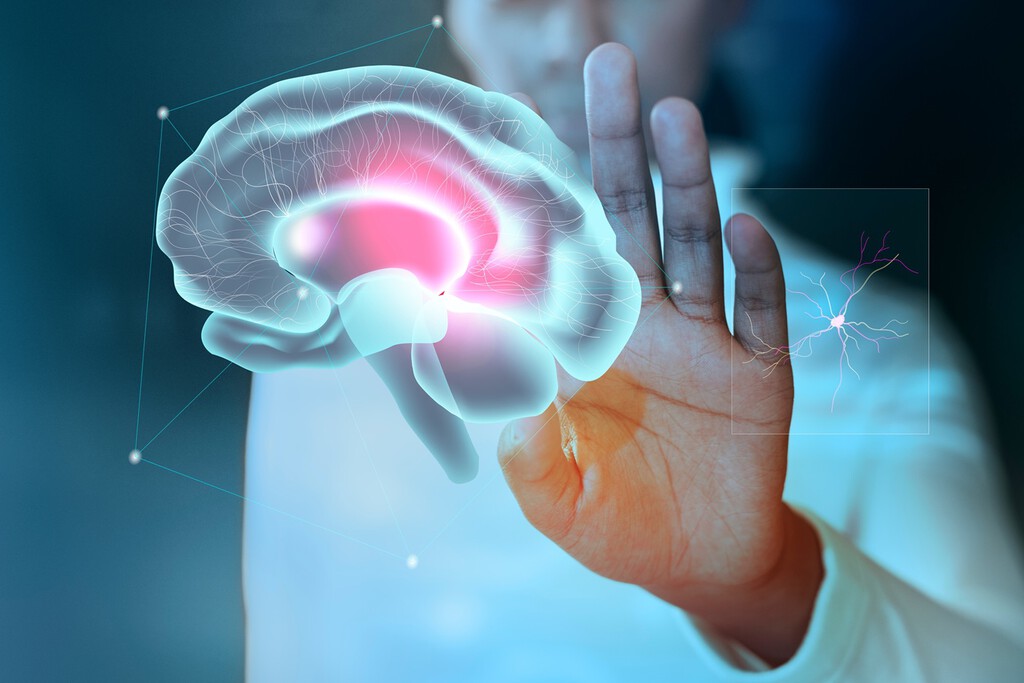
Scientists achieved a significant milestone by recovering short-term functional activity in mouse brain tissue. This breakthrough occurred after subjecting samples to an innovative vitrification process. The recently published study marks a crucial step for cryopreservation and brain research, though it is far from "resurrecting" entire organisms.
Historically, the major challenge in cryopreserving biological tissues has been the formation of ice crystals. When water inside cells freezes traditionally, it expands and crystallizes. This perforates cell membranes and destroys the tissue's internal structure, making functional recovery impossible.
To overcome this obstacle, the research team employed a different technique. They used potent cryoprotectants, substances that protect cells from cold damage, and brought the mouse brain tissue to a temperature of -150 ºC. This process, known as vitrification, transforms cellular liquids into a glass-like state, completely preventing the formation of destructive ice crystals.
Once vitrified, the tissue was "reawakened" using ultra-rapid rewarming. This speed is critical to prevent any crystallization during the thawing process. The results were extraordinary, demonstrating that a large number of neuronal properties survived the procedure.
Restoring electrical activity in a hippocampal slice does not equate to restoring the consciousness or identity of an entire animal.
The cells did not collapse, and the tissue resumed normal energy consumption. Furthermore, the neurons maintained their ability to fire electrical signals. They also retained the potential to create new connection networks, a fundamental function for learning and memory.
It is important to read these results with necessary caution, as Nature News advises. This involves mouse tissue, not a complete human brain. Restoring electrical activity in a hippocampal slice does not equate to restoring the consciousness or identity of an entire animal, much less a person.
Nevertheless, this advance has crucial implications for research. It could greatly facilitate the transport and storage of brain samples for study in different laboratories. It will also allow for testing drugs directly on the tissue, opening new avenues for understanding and treating neurological diseases.
Article topics
Related articles

NASA Reveals New Path for Earth's Essential Life Elements
A recent study, published in Science Advances, uncovers how early Earth may have received phosphorus and nitrogen, highlighting Jupiter's critical role.
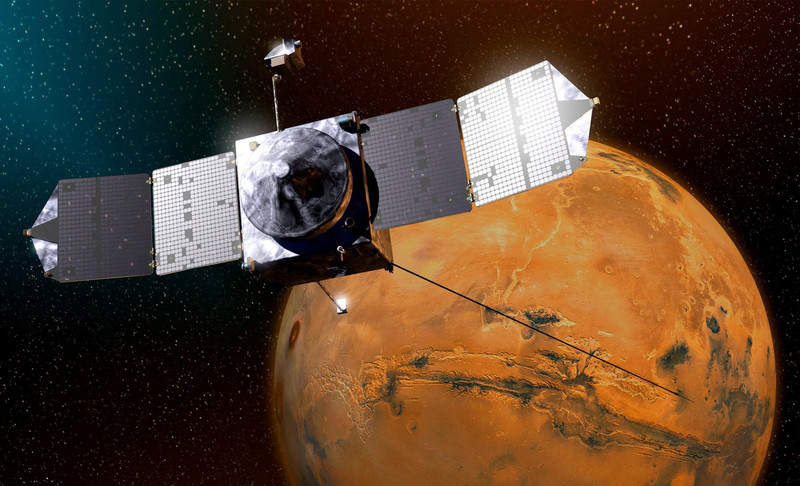
NASA's Maven Mars Orbiter Declared Out of Service After Six Months of Silence
Following an anomaly that disrupted its orbit and depleted its batteries, the Maven spacecraft, vital for understanding Mars' atmosphere, has ended its active mission. Its scientific data remains an invaluable legacy.
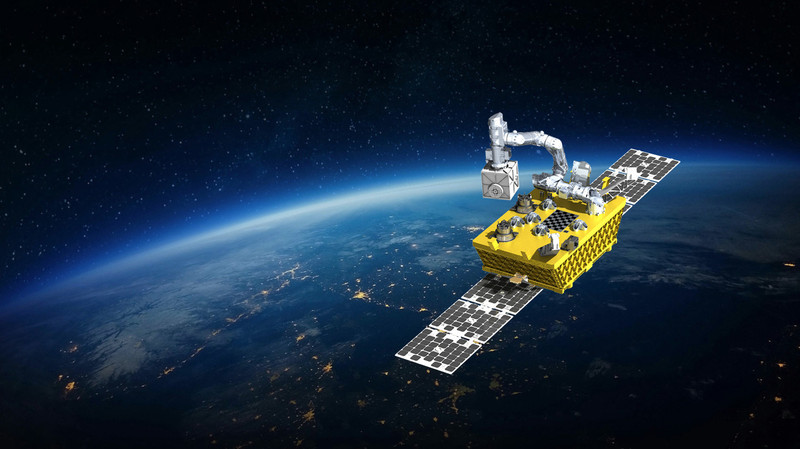
NASA Space Robotics Challenge
NASA invites U.S. researchers to submit proposals for experiments using a robotic arm that will be sent to low Earth orbit as part of the Fly Foundational Robots mission.
Latest news
View all
Stuntman Hollywood: Returns After 19 Years to PS5, Xbox Series, and PC
The iconic action and vehicular stunt franchise makes its comeback courtesy of Saber Interactive, promising a dose of nostalgia and adrenaline for the new generation.

Windows Drops NTLM: Microsoft Boosts Security with Kerberos
Microsoft is taking a crucial step to bolster security in Windows 11, announcing the deprecation of NTLM, its oldest authentication protocol, in favor of Kerberos.

Google Launches Gemma 4 12B: Local AI for Your Laptop with 16GB RAM
Google's new artificial intelligence model aims to democratize access to generative AI, allowing it to run on average consumer computers.
Comments (0)
No comments yet. Be the first!
Leave a comment