
Artemis II's Quiet Revolution: How NASA Solved the Space Bathroom Challenge
The Artemis II mission marks a milestone not only in lunar exploration but also in astronauts' daily lives, by incorporating a permanent and private sanitation system into the Orion capsule for the first time, overcoming the rudimentary and "objectionable" solutions of the Apollo era.
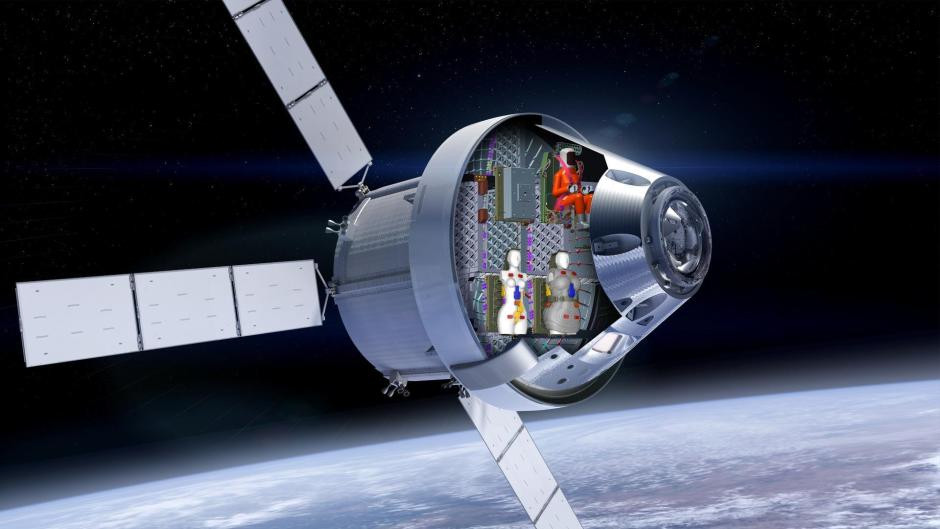
The Artemis II mission, paving the way for humanity's return to the Moon, represents a monumental leap in space exploration. However, beyond the giant rockets and interplanetary journeys, there's a fundamental aspect of astronauts' daily lives that has undergone an equally revolutionary transformation: personal hygiene. Unlike the Apollo capsules, which lacked a dedicated space for this basic need, the new Orion capsule has been designed with a small, private bathroom. This advancement, though seemingly trivial, is crucial for the crew's well-being and morale during missions lasting weeks and months away from Earth. This milestone underscores how modern NASA engineering not only aims to reach the stars but also to ensure the journey is as comfortable and dignified as possible for its explorers.
The Harsh Reality of the Apollo Era: Discomfort and Challenges
The history of space hygiene is marked by the challenges and rudimentary solutions of early missions. During the Apollo program, astronauts faced a situation that NASA itself described as “objectionable” and “disgusting.” Without a permanent toilet, crews relied on plastic bags and tubes for waste management, a practice that led to discomfort, leaks, and constant complaints. Accounts from that era are telling: on the Apollo 10 mission, crew members reported seeing “a bowel movement floating in the air,” while on Apollo 8, the crew had to contend with vomit and fecal smears in the cabin. The frustration was such that astronaut Ken Mattingly, during Apollo 16, reportedly commented, “I used to want to be the first man to go to Mars, but if we have to go there in the Apollo, I’m not interested because of its bathroom system.” In fact, it's estimated that 96 bags of urine, feces, and vomit from the Apollo missions still rest on the lunar surface, a testament to these precarious conditions.
Intermediate Evolution: Space Shuttles and the International Space Station
Over time, NASA developed more sophisticated systems for its subsequent programs. Space Shuttles and the International Space Station (ISS) incorporated toilets designed to operate in microgravity, representing a significant improvement over the bags of the Apollo era. These systems used air suction to direct waste into storage tanks or for processing, preventing it from floating freely. However, even these more advanced solutions had significant limitations. They were not optimally designed for female anatomy, making them difficult for women astronauts to use. Furthermore, they did not allow for simultaneous processing of different types of waste and often only offered partial privacy through the use of curtains, which remained a compromise in an already confined environment.
Artemis II and the Universal Waste Management System (UWMS): A Quantum Leap
The Orion capsule of the Artemis II mission marks a turning point with the incorporation of the Universal Waste Management System (UWMS). This hygiene module represents a fundamental transformation, designed to overcome all the barriers of previous generations. The UWMS is a permanent, compact, and efficient toilet, very similar in concept to those found on commercial airplanes, but adapted to the demands of space. Its design is inclusive, intended for both men and women, and features a door that ensures complete privacy—an unprecedented luxury in early missions. This system not only manages waste more hygienically and efficiently but also significantly contributes to the psychological well-being of astronauts, allowing them to maintain a more dignified and private hygiene routine during their extended journeys.
Innovation, Well-being, and the Future of Space Exploration
The evolution of the “space bathroom” is a fascinating reflection of how space engineering focuses not only on propulsion or navigation but also on the most basic and often overlooked human needs. From the uncomfortable Apollo bags to Orion's sophisticated UWMS, each advancement has been driven by astronaut experience and NASA's commitment to their well-being. This system is not just a toilet; it is a key piece of infrastructure that improves the quality of life in space, reduces stress, and allows crews to concentrate on their scientific and exploratory missions. As humanity prepares for longer and more ambitious missions to the Moon and, eventually, to Mars, the ability to manage waste efficiently and with dignity will be more critical than ever, making the UWMS an essential component for the success of future space exploration.
Article topics
Related articles

NASA Reveals New Path for Earth's Essential Life Elements
A recent study, published in Science Advances, uncovers how early Earth may have received phosphorus and nitrogen, highlighting Jupiter's critical role.
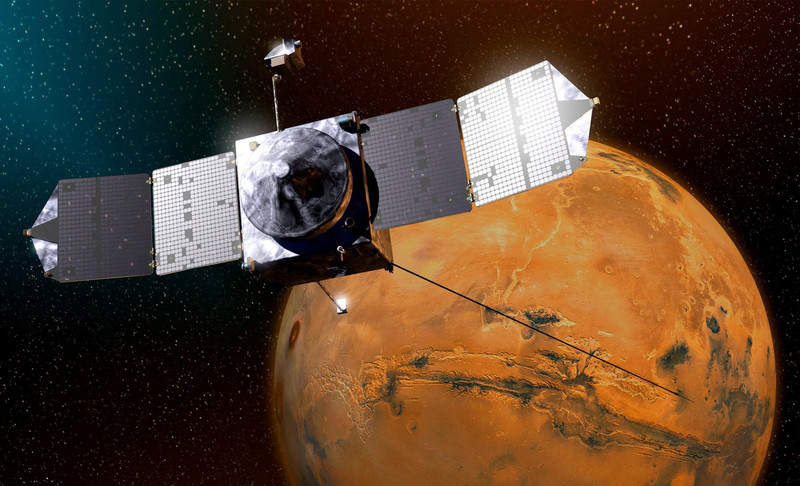
NASA's Maven Mars Orbiter Declared Out of Service After Six Months of Silence
Following an anomaly that disrupted its orbit and depleted its batteries, the Maven spacecraft, vital for understanding Mars' atmosphere, has ended its active mission. Its scientific data remains an invaluable legacy.
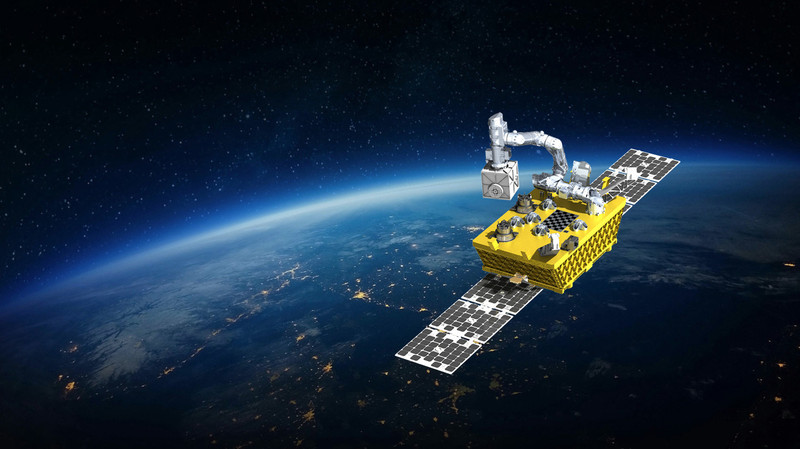
NASA Space Robotics Challenge
NASA invites U.S. researchers to submit proposals for experiments using a robotic arm that will be sent to low Earth orbit as part of the Fly Foundational Robots mission.
Latest news
View all
Stuntman Hollywood: Returns After 19 Years to PS5, Xbox Series, and PC
The iconic action and vehicular stunt franchise makes its comeback courtesy of Saber Interactive, promising a dose of nostalgia and adrenaline for the new generation.

Windows Drops NTLM: Microsoft Boosts Security with Kerberos
Microsoft is taking a crucial step to bolster security in Windows 11, announcing the deprecation of NTLM, its oldest authentication protocol, in favor of Kerberos.

Google Launches Gemma 4 12B: Local AI for Your Laptop with 16GB RAM
Google's new artificial intelligence model aims to democratize access to generative AI, allowing it to run on average consumer computers.
Comments (0)
No comments yet. Be the first!
Leave a comment