
NASA Approves iPhone 17 Pro Max for Artemis II Mission: A New Era for Commercial Tech in Space
Early images from the Artemis II mission revealed an iPhone 17 Pro Max, marking the first time NASA has approved a commercial smartphone for crew use in space. This significant development highlights the agency's rigorous qualification process and the increasing integration of consumer technology into space exploration.
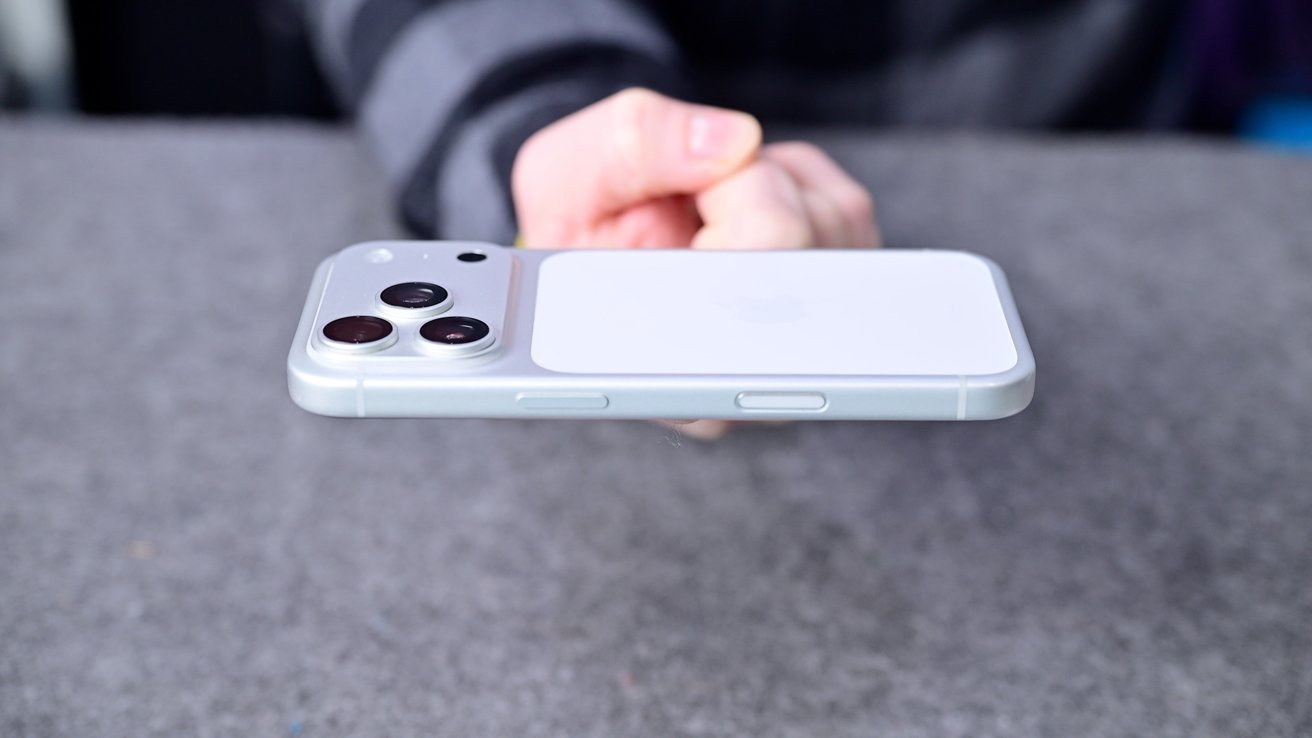
Space exploration has long been synonymous with cutting-edge, custom-built equipment subjected to exhaustive testing. This is why the sight of an iPhone 17 Pro Max floating in early imagery related to the Artemis II mission has captured global attention. Far from a minor detail, it represents a significant milestone: the National Aeronautics and Space Administration (NASA) has officially approved Apple's flagship smartphone to accompany astronauts on their journey around the Moon.
Artemis II, the first crewed mission of the Artemis program, aims to circumnavigate our natural satellite, paving the way for future lunar landings. The inclusion of a commercial device like the iPhone 17 Pro Max in a mission of this magnitude is not only a first but also speaks volumes about the evolution of consumer technology and NASA's confidence in its reliability.
NASA's Unyielding Approval Process
NASA is renowned worldwide for its exceptionally strict safety and qualification standards for any item destined to cross Earth's atmosphere aboard a spacecraft. Every component, from the smallest screw to the most complex propulsion systems, must undergo a relentless process of verification and validation. The harsh conditions of space—radiation, vacuum, extreme temperature fluctuations, and launch vibrations—pose a formidable challenge for any equipment, let alone an electronic device designed for terrestrial use.
Historically, this has meant that most equipment on space missions is either purpose-built or heavily ruggedized and modified versions of existing technologies. The approval of the iPhone 17 Pro Max, therefore, breaks with decades of tradition, signaling a potential shift in the space agency's hardware acquisition strategy. It's a "big deal," as the agency itself describes it, to allow the crew to carry iPhones in space for the first time.
Why the iPhone 17 Pro Max?
While the specific details of the tests the iPhone 17 Pro Max underwent have not been fully disclosed publicly—though The New York Times reported on the rigorous process the device had to clear to be allowed in the cabin—it's clear that Apple's smartphone demonstrated exceptional robustness and reliability. The choice of a high-end consumer device like the iPhone 17 Pro Max suggests that its inherent capabilities, such as its powerful processor, advanced camera, intuitive interface, and durable design, meet NASA's stringent requirements.
This move also reflects a growing trend in the space industry towards adopting Commercial Off-The-Shelf (COTS) components. While COTS equipment still requires thorough qualification, it can offer significant advantages in terms of cost, development time, and access to more advanced technologies than custom-built solutions, without compromising mission safety or functionality.
Potential Roles in Space
Once in space, the potential functions of the iPhone 17 Pro Max are varied and could significantly enhance crew efficiency and experience. It could serve as a versatile tool for managing procedures and checklists, allowing astronauts quick access to critical information and operational guides. Its high-resolution camera could be invaluable for documenting experiments, spacecraft inspections, or simply capturing the majesty of Earth and the Moon from a unique perspective, offering unprecedented insights for science and the public.
Furthermore, the device could facilitate communication with mission control, act as a secondary data logger, or even provide a means of entertainment and personal connection for astronauts during downtime, contributing to crew well-being and morale in such an isolated and demanding environment.
Future Implications for Space Exploration
The approval of the iPhone 17 Pro Max for Artemis II is not just an achievement for Apple but an indicator of the future direction of space exploration. It demonstrates that consumer technology, when subjected to proper validation, can play a crucial role in humanity's most ambitious missions. This precedent could open the door to greater integration of commercial devices in future Artemis missions and beyond, optimizing resources and leveraging the rapid innovation of the private sector.
As humanity prepares to return to the Moon and eventually journey to Mars, the ability to integrate advanced, accessible tools will be paramount. The iPhone 17 Pro Max on Artemis II is a small step for a smartphone, but a potentially giant leap for how we equip our space explorers, heralding a new era of collaboration between consumer technology and the final frontier.
Related articles

NASA Reveals New Path for Earth's Essential Life Elements
A recent study, published in Science Advances, uncovers how early Earth may have received phosphorus and nitrogen, highlighting Jupiter's critical role.
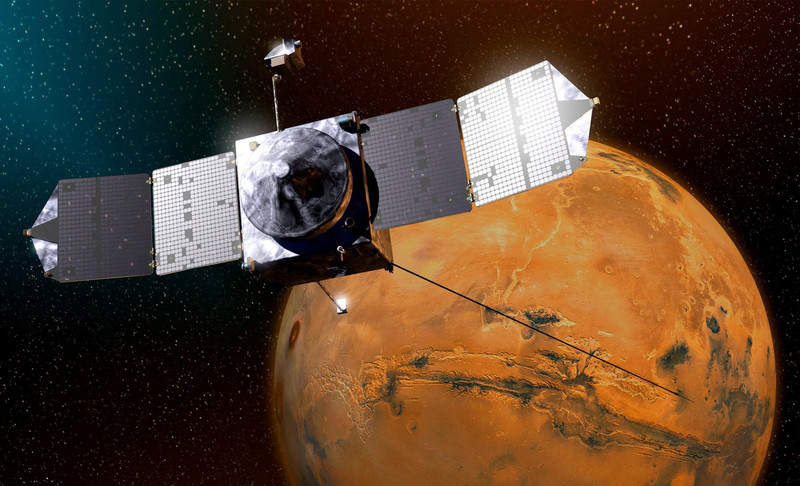
NASA's Maven Mars Orbiter Declared Out of Service After Six Months of Silence
Following an anomaly that disrupted its orbit and depleted its batteries, the Maven spacecraft, vital for understanding Mars' atmosphere, has ended its active mission. Its scientific data remains an invaluable legacy.

Windows Drops NTLM: Microsoft Boosts Security with Kerberos
Microsoft is taking a crucial step to bolster security in Windows 11, announcing the deprecation of NTLM, its oldest authentication protocol, in favor of Kerberos.
Latest news
View all
Stuntman Hollywood: Returns After 19 Years to PS5, Xbox Series, and PC
The iconic action and vehicular stunt franchise makes its comeback courtesy of Saber Interactive, promising a dose of nostalgia and adrenaline for the new generation.
Google Launches Gemma 4 12B: Local AI for Your Laptop with 16GB RAM
Google's new artificial intelligence model aims to democratize access to generative AI, allowing it to run on average consumer computers.
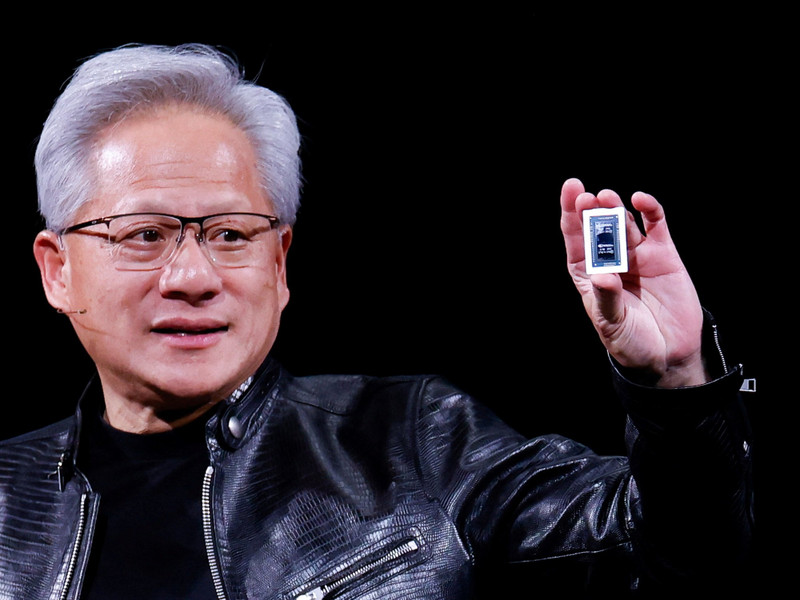
Nvidia Challenges Intel and AMD with RTX Spark Superchip for PCs
Nvidia introduced RTX Spark, a processor promising to bring advanced artificial intelligence directly to your PC, without cloud dependence, and boost gaming to unprecedented levels on conventional machines.
Comments (0)
No comments yet. Be the first!
Leave a comment