
NASA Finds New Organic Compounds in Martian Rocks with Curiosity
Curiosity detected over 20 organic molecules in ancient Martian rocks using an innovative chemical technique, revealing organic survival on Mars.
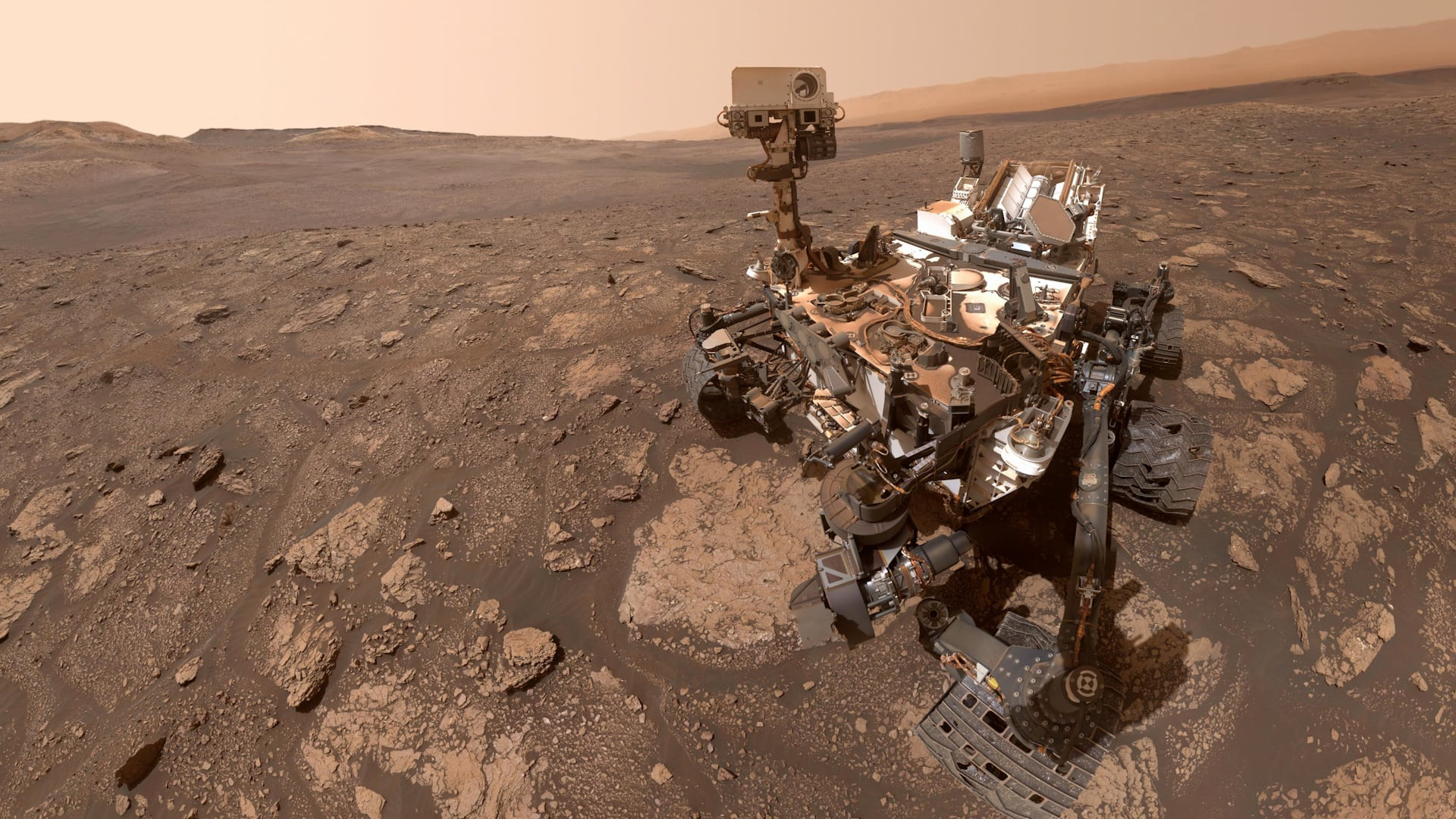
The NASA rover Curiosity discovered organic compounds in ancient rocks on Mars, confirming that organic material can survive billions of years on the red planet. The study, conducted in Gale Crater, employed a novel chemical method that allowed scientists to release and identify organic fragments trapped within the rocks. This breakthrough was made possible through collaboration between institutions in the United States, Mexico, and France, and was published in Nature Communications.
Prior to this, scientists aimed to determine if Mars’s oldest rocks preserved complex organic molecules. Previous studies only found simple compounds, raising questions about minerals' ability to protect organics over such vast timescales. The team focused on an area rich in clay within Gale Crater, where conditions favor the preservation of complex chemicals.
They used a wet chemistry technique with tetramethylammonium hydroxide (TMAH), which breaks chemical bonds and releases organic fragments. The sample was taken from the rock Mary Anning 3, drilled by Curiosity at Knockfarrill Hill. The Sample Analysis at Mars (SAM) instrument heated the sample and added TMAH, enabling the detection of various molecules.
The analysis revealed cyclic and aromatic compounds like benzene, toluene, naphthalene, methyl naphthalene, and trimethylbenzene. The detection of benzothiophene was a significant breakthrough, marking the first confirmation of this molecule on Mars. Additionally, methylbenzoate was identified, demonstrating the technique's effectiveness in detecting complex organics.
This discovery broadens the understanding of Mars’s past habitability and opens new avenues for future missions searching for organic material on the planet.
Article topics
Related articles

Humanoid Robot Pemba Climbs Chimborazo, Sets Sights on Everest Summit
The humanoid robot Pemba, an adaptation of the Unitree G1, recently ascended over 6,000 meters on Chimborazo and now aims to conquer Mount Everest. This technological feat paves the way for new forms of exploration in extreme environments.

Artemis III Progresses to Moon with Crucial Challenges and Mars Ambitions
NASA's Artemis III mission aims for a sustained human presence on the Moon, navigating delays in space suit development and technical hurdles with partners SpaceX and Blue Origin.

Stanford's STEHM Model Optimizes Search for Habitable Exoplanets
Stanford University introduces STEHM, a new tool that filters exoplanets based on their ability to maintain stable atmospheres, a key condition for life.
Latest news
View all
Elon Musk Plans Space Data Centers to Ease AI Energy Crisis
The escalating energy demand for artificial intelligence and terrestrial data centers is driving SpaceX to explore space-based solutions, with Starship being key to economic viability.

US Government Suspends Access to Anthropic's Fable 5 and Mythos 5 AI Models
A national security directive forces Anthropic to disable its advanced AI models, Fable 5 and Mythos 5, for all customers starting June 12, 2026.

Google Launches Gemini 3.5 Live Translate for Instant Voice Translation
Google expands real-time translation availability with Gemini 3.5 Live Translate, offering lower latency and support for over 70 languages.
Comments (0)
No comments yet. Be the first!
Leave a comment