
Study Finds Gut Microbiome Could Predict Parkinson's Risk Early
Researchers in the UK discovered that gut bacteria might help identify those at higher risk of Parkinson before symptoms appear. The study, published in Nature Medicine, analyzed samples from diagnosed patients, GBA1 gene carriers without symptoms, and healthy volunteers, revealing key differences in their microbiomes.
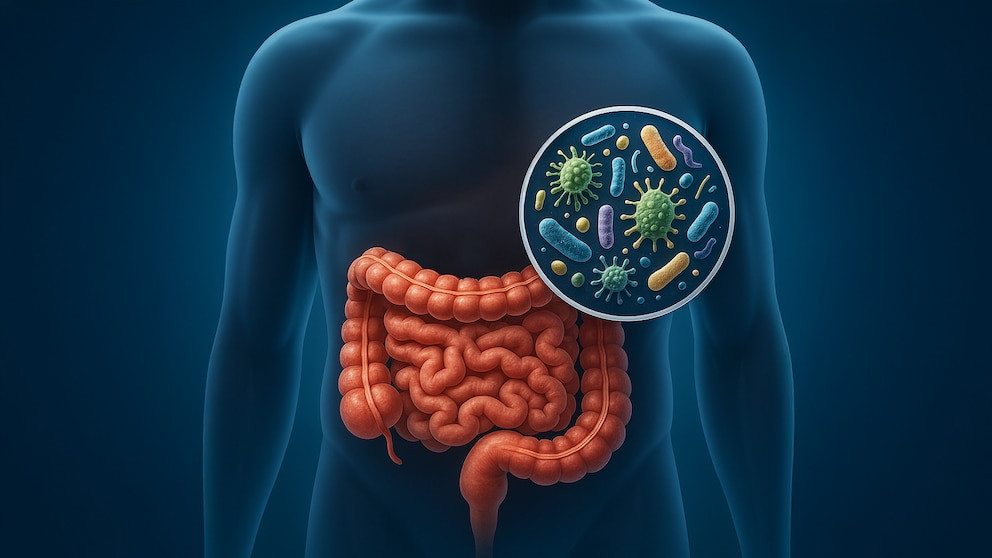
A team of researchers in the United Kingdom has found that the gut microbiome, the collection of bacteria in our intestines, could help detect Parkinson's risk before symptoms show. The study, published in Nature Medicine, analyzed samples from 638 Parkinson's patients, 319 healthy controls, and GBA1 gene carriers without symptoms across the UK, Korea, and Turkey.
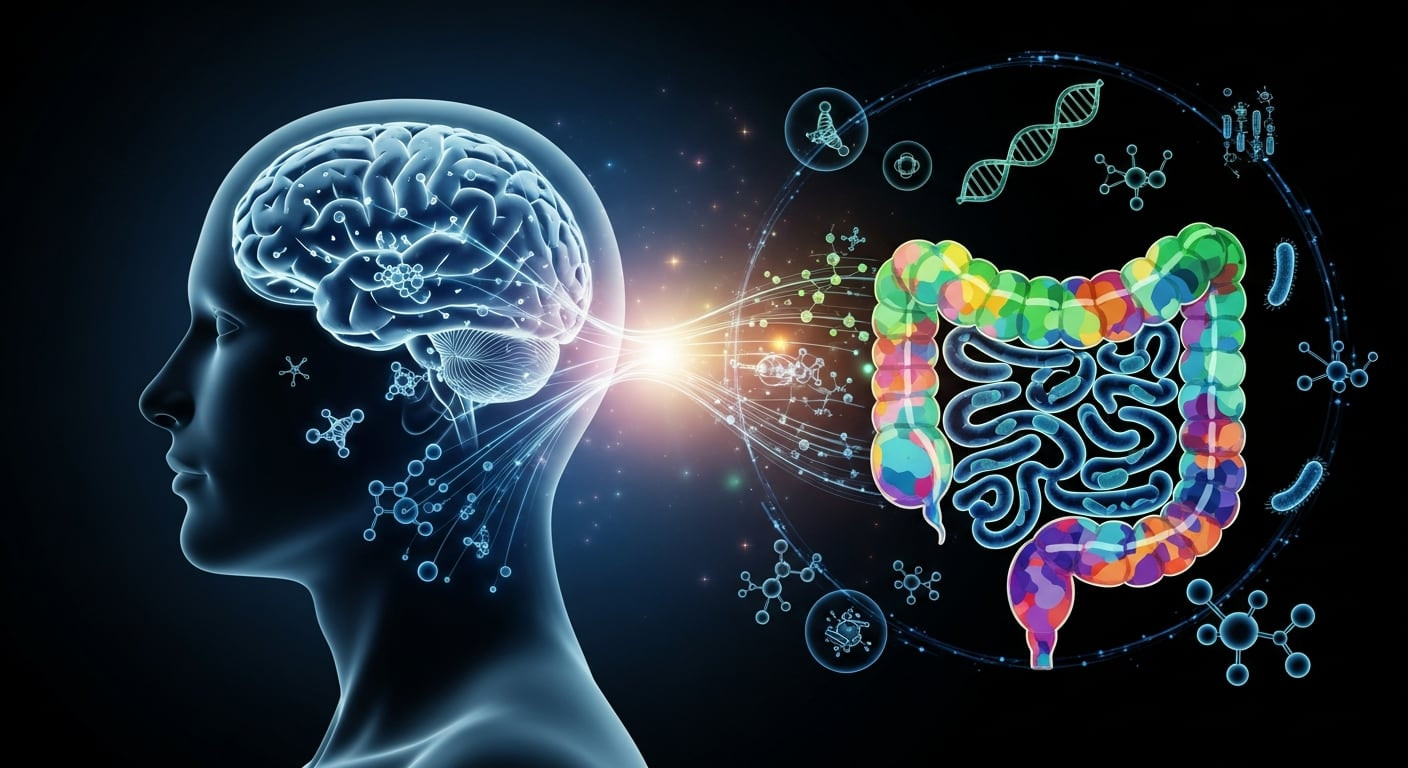
The scientists identified 176 bacterial species that differ between those with Parkinson and healthy individuals. They also found 142 species that vary between healthy volunteers and GBA1 carriers who haven't developed symptoms yet. These findings suggest that microbiome changes happen before clinical signs appear.
Lead researcher Anthony Schapira emphasized the importance of early detection. He explained that identifying at-risk individuals could improve treatment outcomes and potentially prevent disease progression. He also noted that these bacterial alterations are present in a small portion of the general population, which might link them to increased Parkinson risk.
The study involved collaboration with INRAE, the French agricultural research institute, and specialized centers in London and Italy. Results indicate that a balanced diet might lower bacteria associated with higher Parkinson risk, opening possibilities for preventive strategies through nutrition.
Stanislav Dusko Ehrlich, part of the team, mentioned that analyzing the gut microbiome helps identify those with higher risk and allows for lifestyle recommendations, such as dietary changes, to reduce that risk. They also observed that some healthy individuals have microbiome profiles similar to future Parkinson patients, highlighting how much remains to be understood about this connection.
Article topics
Related articles

NASA Reveals New Path for Earth's Essential Life Elements
A recent study, published in Science Advances, uncovers how early Earth may have received phosphorus and nitrogen, highlighting Jupiter's critical role.
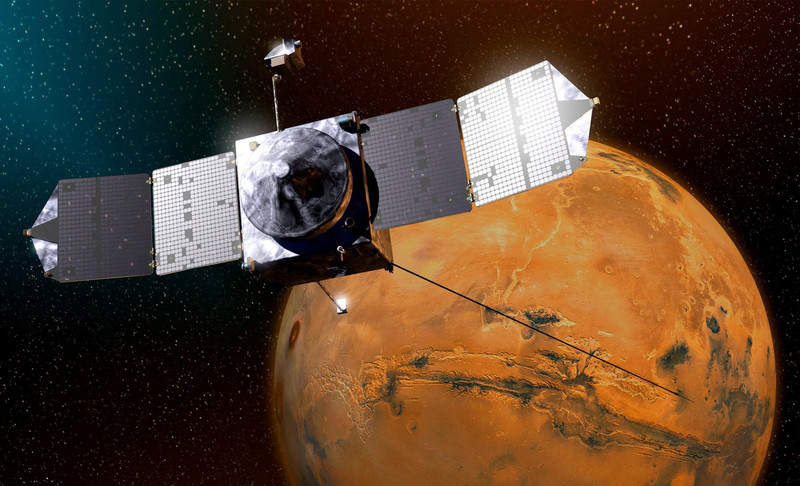
NASA's Maven Mars Orbiter Declared Out of Service After Six Months of Silence
Following an anomaly that disrupted its orbit and depleted its batteries, the Maven spacecraft, vital for understanding Mars' atmosphere, has ended its active mission. Its scientific data remains an invaluable legacy.

NASA Space Robotics Challenge
NASA invites U.S. researchers to submit proposals for experiments using a robotic arm that will be sent to low Earth orbit as part of the Fly Foundational Robots mission.
Latest news
View all
Stuntman Hollywood: Returns After 19 Years to PS5, Xbox Series, and PC
The iconic action and vehicular stunt franchise makes its comeback courtesy of Saber Interactive, promising a dose of nostalgia and adrenaline for the new generation.

Windows Drops NTLM: Microsoft Boosts Security with Kerberos
Microsoft is taking a crucial step to bolster security in Windows 11, announcing the deprecation of NTLM, its oldest authentication protocol, in favor of Kerberos.

Google Launches Gemma 4 12B: Local AI for Your Laptop with 16GB RAM
Google's new artificial intelligence model aims to democratize access to generative AI, allowing it to run on average consumer computers.
Comments (0)
No comments yet. Be the first!
Leave a comment