
Study Shows How the Red Hair Gene Spread in Europe 4,000 Years Ago
A recent analysis of ancient and modern DNA reveals that the MC1R gene, linked to red hair and light skin, was favored in Europe over 4,000 years ago to help synthesize vitamin D in low sunlight areas.

A recent study published in Nature uncovers how the MC1R gene, associated with red hair and light skin, expanded in Europe more than 4,000 years ago. The research analyzed nearly 16,000 ancient DNA samples and over 6,000 current genomes, providing unprecedented insights into recent human genetic evolution in Europe and Central Asia.
The researchers identified that natural selection favored 479 genetic variants with high confidence, though the actual number of episodes could be much higher. This doubles previous records, which documented only a few clear instances since humans left Africa around 300,000 years ago.
Ali Akbari, the lead author, explains that for the first time, it’s possible to observe in real time how natural selection shaped human biology, from hunter-gatherers to early agricultural and urban societies. Lifestyle, diet, and community living introduced new evolutionary pressures.
These pressures sped up genetic changes affecting both health and physical traits. One notable example is the MC1R gene, linked to red hair and pale skin. Variants of this gene were positively selected in Western Europe over 4,000 years ago, likely to enhance vitamin D production in low-sunlight environments.
The team, led by David Reich and Ali Akbari, suggests that lighter pigmentation may have provided an adaptive advantage in regions with long winters and limited sunlight. However, they emphasize that the relationship between MC1R, red hair, and adaptation is complex, involving multiple genetic and environmental factors.
Article topics
Related articles
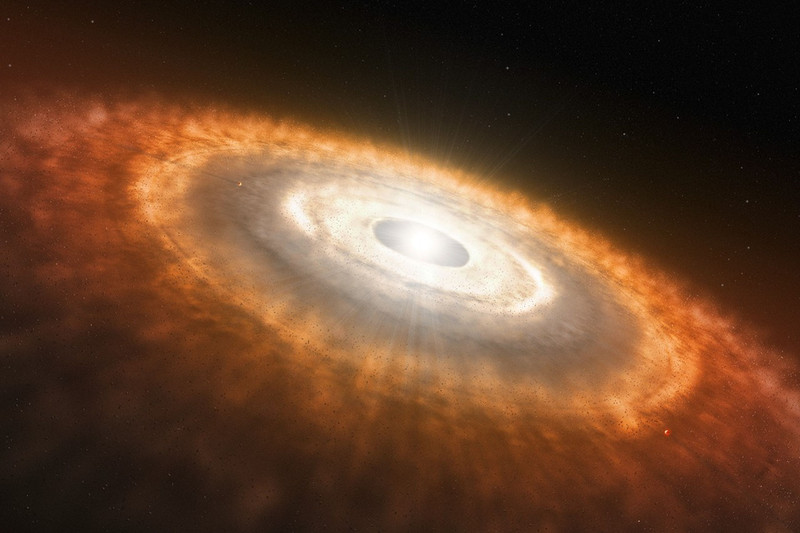
NASA Reveals New Path for Earth's Essential Life Elements
A recent study, published in Science Advances, uncovers how early Earth may have received phosphorus and nitrogen, highlighting Jupiter's critical role.
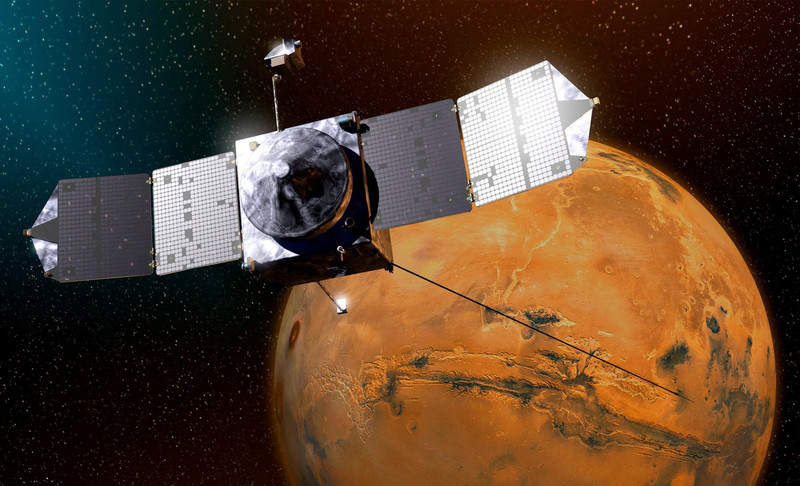
NASA's Maven Mars Orbiter Declared Out of Service After Six Months of Silence
Following an anomaly that disrupted its orbit and depleted its batteries, the Maven spacecraft, vital for understanding Mars' atmosphere, has ended its active mission. Its scientific data remains an invaluable legacy.

NASA Space Robotics Challenge
NASA invites U.S. researchers to submit proposals for experiments using a robotic arm that will be sent to low Earth orbit as part of the Fly Foundational Robots mission.
Latest news
View all
Stuntman Hollywood: Returns After 19 Years to PS5, Xbox Series, and PC
The iconic action and vehicular stunt franchise makes its comeback courtesy of Saber Interactive, promising a dose of nostalgia and adrenaline for the new generation.

Windows Drops NTLM: Microsoft Boosts Security with Kerberos
Microsoft is taking a crucial step to bolster security in Windows 11, announcing the deprecation of NTLM, its oldest authentication protocol, in favor of Kerberos.

Google Launches Gemma 4 12B: Local AI for Your Laptop with 16GB RAM
Google's new artificial intelligence model aims to democratize access to generative AI, allowing it to run on average consumer computers.
Comments (0)
No comments yet. Be the first!
Leave a comment