
Biología

The Axolotl: The Amphibian That Regenerates Its Own Brain
This charismatic amphibian possesses an astonishing ability: the capacity to rebuild parts of its brain, an evolutionary mystery that fascinates scientists.
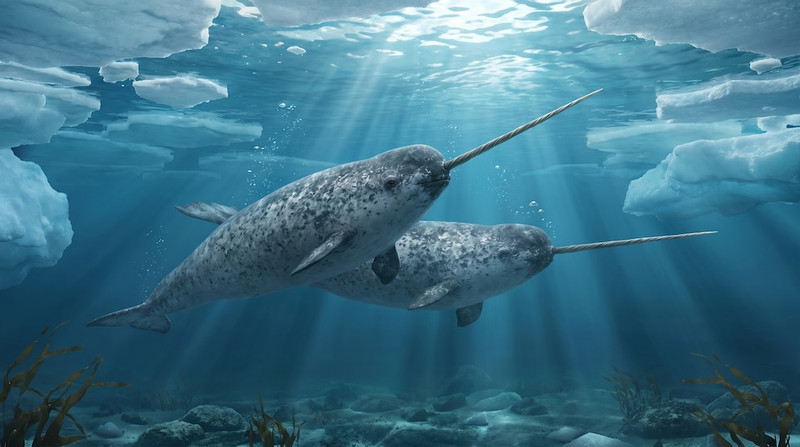
The Sea Unicorn: Its Horn Is Actually a Tooth Filled with Nerves
The narwhal, known as the sea unicorn, has an iconic horn that is actually a long tooth filled with nerves, a result of unique evolution.
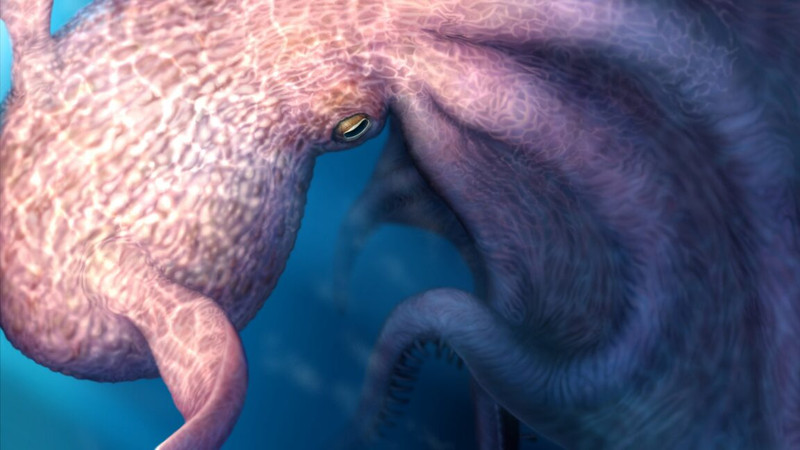
A 19-meter giant octopus swam with mosasaurs in the Cretaceous seas
80 million years ago, Cretaceous oceans were ruled by large reptiles and sharks. New findings reveal a giant invertebrate predator that challenged this view.

Study Shows How the Red Hair Gene Spread in Europe 4,000 Years Ago
A recent analysis of ancient and modern DNA reveals that the MC1R gene, linked to red hair and light skin, was favored in Europe over 4,000 years ago to help synthesize vitamin D in low sunlight areas.

Northrop Grumman CRS-24 Mission: A Critical Boost for Science on the International Space Station
Northrop Grumman's Cygnus XL cargo spacecraft, propelled by a SpaceX Falcon 9 rocket, has begun its journey to the International Space Station, carrying over 11,000 pounds of vital supplies and cutting-edge scientific experiments. This CRS-24 mission promises to significantly advance key areas of space and terrestrial research.
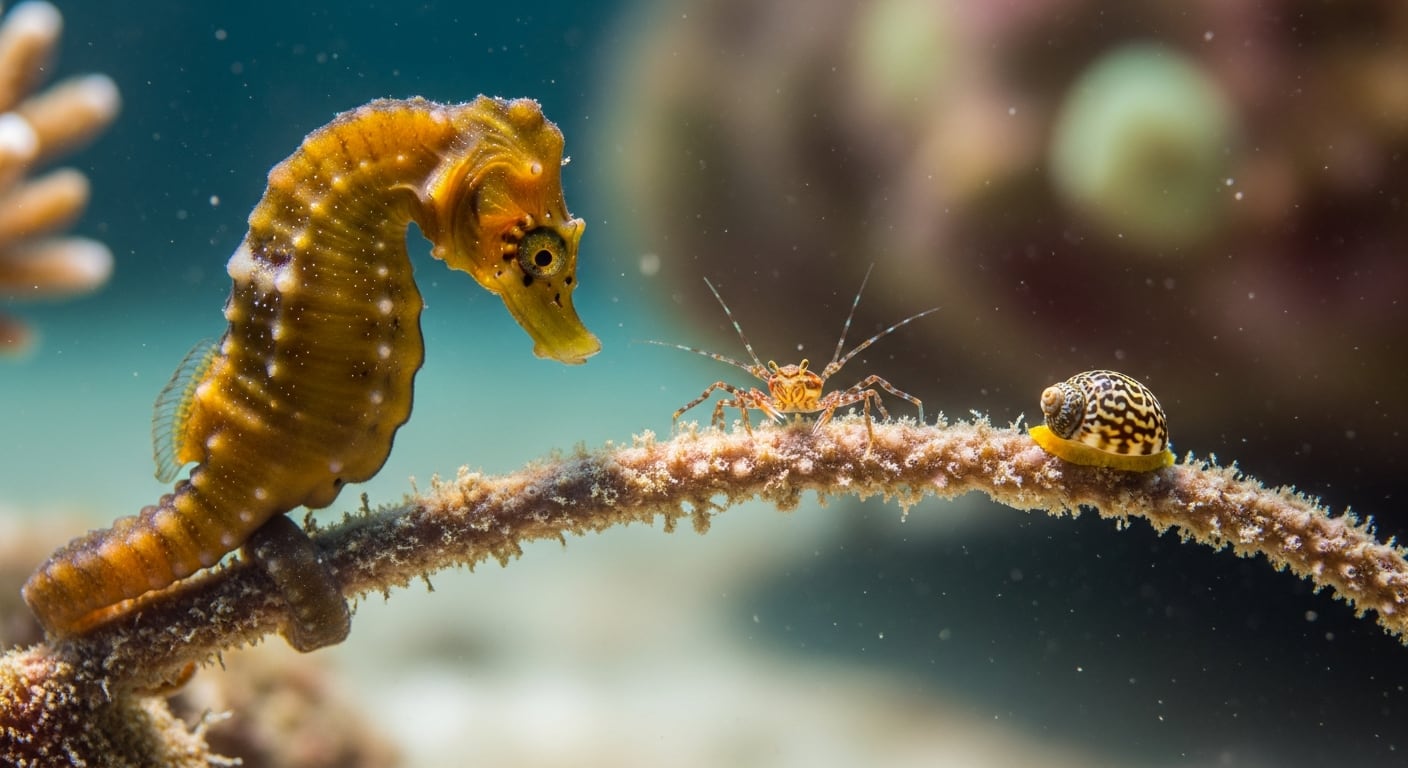
The Hidden Sanctuary: A Revolutionary Discovery in the World of Seahorses
In a remote Bahamian lagoon, scientists have uncovered the largest known concentration of seahorses, offering unprecedented insights into their evolution and the health of marine ecosystems.

Behavioral Flexibility: A New Key to Animal Adaptation in the Face of Climate Change
An innovative model developed by biologist Carlos Botero at the University of Texas at Austin reveals how animals' capacity to adjust their behavior is crucial for their evolution in the face of climate change, challenging previous paradigms and offering new tools for biodiversity conservation.

"Zombie" Cells: The Revolutionary Technique That Could Revive Bacteria and Transform Synthetic Biology
A research team has successfully reanimated inert bacteria by completely replacing their genomes between species, a breakthrough using "zombie cells" to open new frontiers in microbial engineering and synthetic biology.