
A 19-meter giant octopus swam with mosasaurs in the Cretaceous seas
80 million years ago, Cretaceous oceans were ruled by large reptiles and sharks. New findings reveal a giant invertebrate predator that challenged this view.
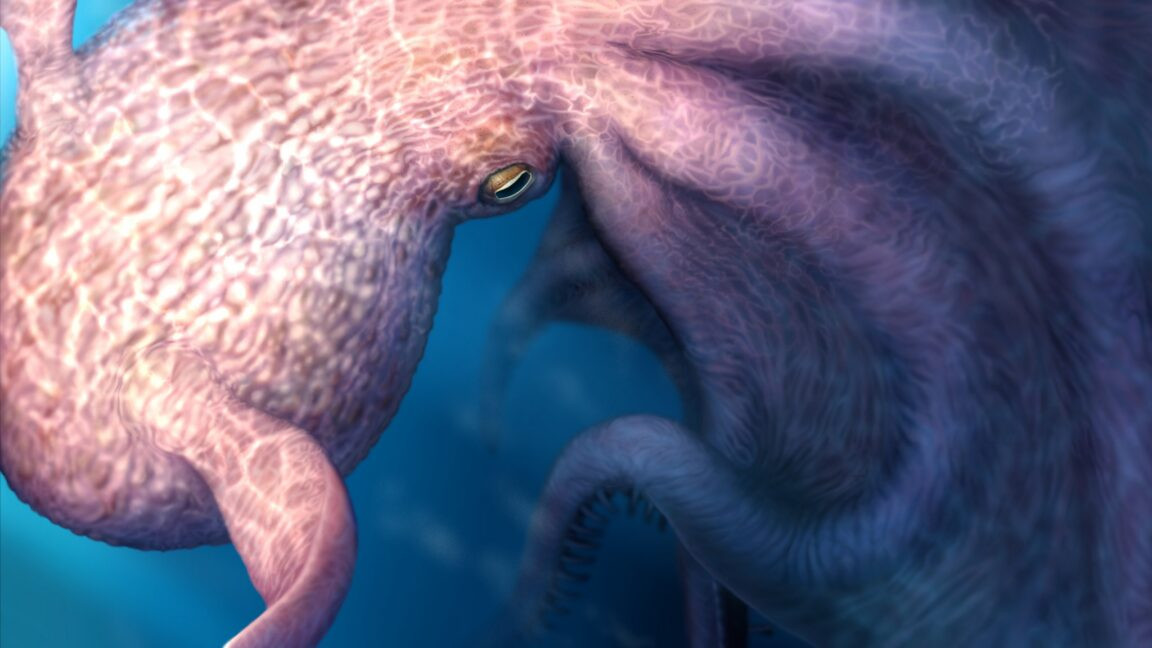
About 80 million years ago, during the late Cretaceous, the oceans were filled with enormous and fierce creatures. Mosasaurs, long-necked plesiosaurs, and massive sharks dominated the marine food chain. For decades, scientists believed vertebrates were the top predators of this era. Now, a new study published in Science challenges that idea by revealing evidence of a bone-less predator that could reach up to 19 meters in length.
Researchers uncovered fossilized remains of an ancient finned octopus, likely one of the largest invertebrates to have ever existed. These animals were equipped with powerful, hardened beaks and probably possessed high intelligence for their time. This discovery shifts our understanding of Cretaceous marine ecosystems, highlighting the role of invertebrates as apex predators.
Before this study, Cretaceous marine ecosystems were generally understood as worlds in which large vertebrate predators occupied the top of the food web.
The fossils demonstrate that giant invertebrates could have played a dominant predatory role, previously underestimated due to the rarity of octopus fossils. Their size and hunting capabilities suggest they were formidable hunters, reshaping the narrative of prehistoric oceanic life.
This finding raises new questions about the evolution of invertebrates and their ecological roles in ancient seas. It also emphasizes how much remains to be discovered about Earth's deep past, as each fossil adds a crucial piece to the puzzle of life's history.
Article topics
Related articles

NASA Reveals New Path for Earth's Essential Life Elements
A recent study, published in Science Advances, uncovers how early Earth may have received phosphorus and nitrogen, highlighting Jupiter's critical role.
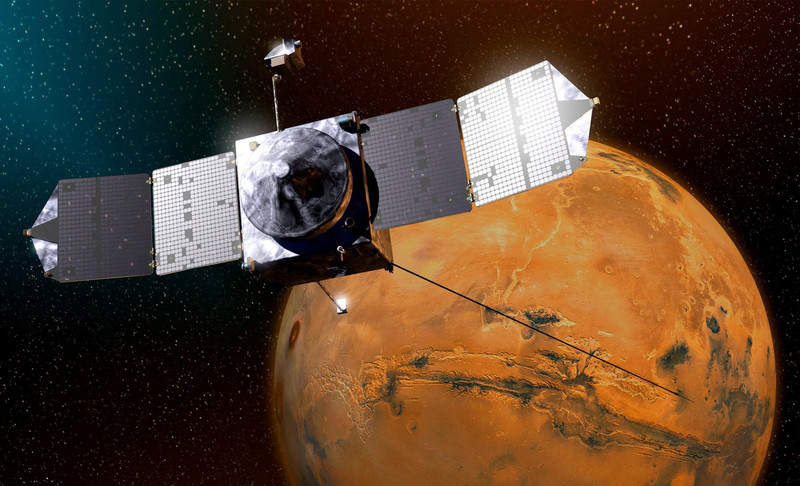
NASA's Maven Mars Orbiter Declared Out of Service After Six Months of Silence
Following an anomaly that disrupted its orbit and depleted its batteries, the Maven spacecraft, vital for understanding Mars' atmosphere, has ended its active mission. Its scientific data remains an invaluable legacy.
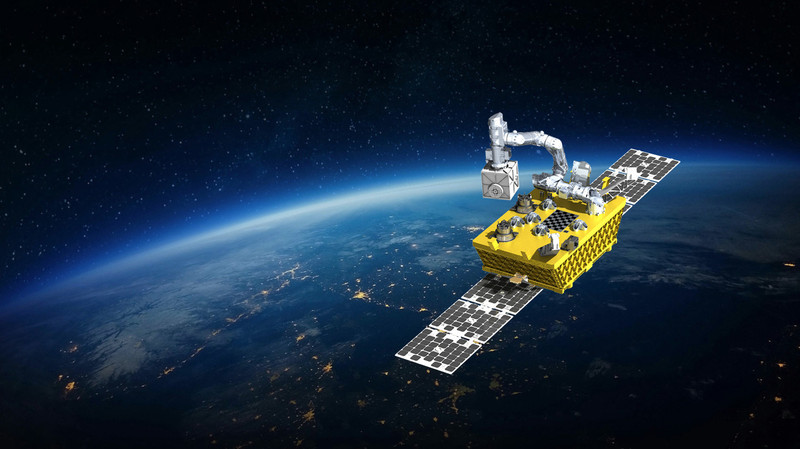
NASA Space Robotics Challenge
NASA invites U.S. researchers to submit proposals for experiments using a robotic arm that will be sent to low Earth orbit as part of the Fly Foundational Robots mission.
Latest news
View all
Stuntman Hollywood: Returns After 19 Years to PS5, Xbox Series, and PC
The iconic action and vehicular stunt franchise makes its comeback courtesy of Saber Interactive, promising a dose of nostalgia and adrenaline for the new generation.

Windows Drops NTLM: Microsoft Boosts Security with Kerberos
Microsoft is taking a crucial step to bolster security in Windows 11, announcing the deprecation of NTLM, its oldest authentication protocol, in favor of Kerberos.

Google Launches Gemma 4 12B: Local AI for Your Laptop with 16GB RAM
Google's new artificial intelligence model aims to democratize access to generative AI, allowing it to run on average consumer computers.
Comments (0)
No comments yet. Be the first!
Leave a comment