
Sleeping just four hours without health issues, a rare genetic trait in 1%
A small percentage of people can function on only four hours of sleep thanks to a genetic mutation. For most, more rest is essential for health.
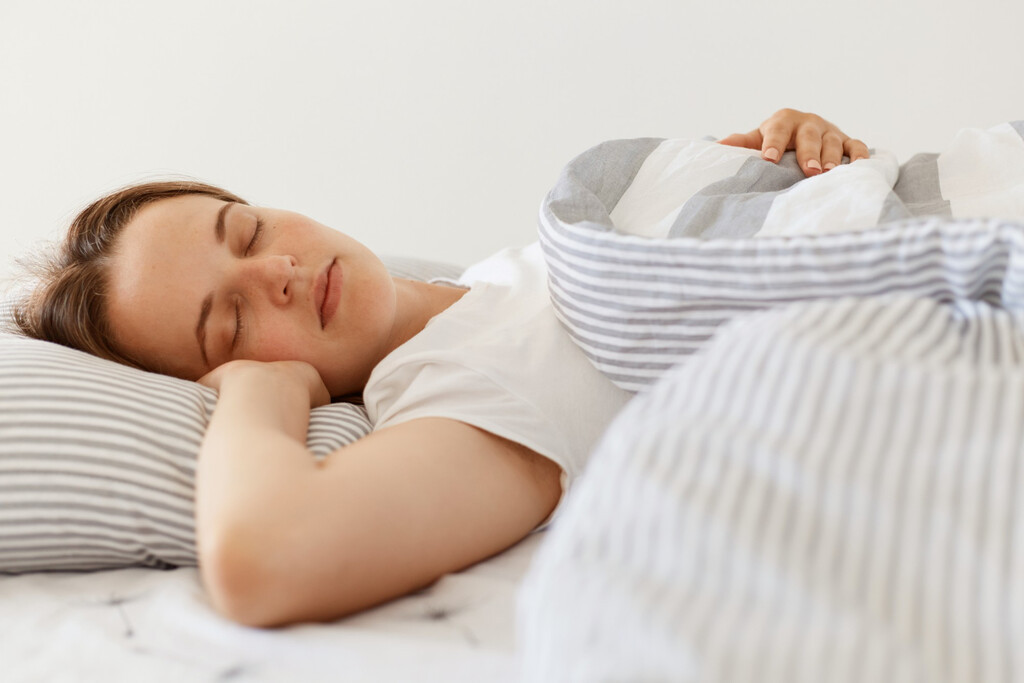
Some individuals claim to sleep only four or five hours and feel fully energized. While this sparks envy, science has long warned that sleep deprivation harms health. Yet, there is a remarkable exception to this rule.
For decades, recommendations from the World Health Organization and sleep experts have been clear: adults need between 7 and 9 hours of sleep to keep their immune system, metabolism, and mental health in check. Sleeping less increases risks of diseases like Alzheimer’s.
However, about 1% of the global population has a genetic superpower that allows them to bypass this norm without negative effects. Researcher Ying‑Hui Fu discovered that these individuals carry a mutation in the DEC2 gene, also known as BHLHE41, which influences sleep regulation.
To reach this conclusion, Fu studied families where some members functioned perfectly on just six hours of sleep, showing no daytime sleepiness or cognitive decline, while others needed more than eight hours. The mutation in DEC2 was the key factor.
Further studies in animals and human families have identified mutations in other genes that seem to optimize sleep, making four hours enough and even providing protection against cognitive decline. Still, these mutations are extremely rare and specific.
It's crucial not to try to replicate these traits. Most people who sleep less by choice face risks like dementia, diabetes, or hypertension if they maintain such patterns long-term. Science warns that chronic sleep deprivation can be very damaging.
Therefore, although sleeping less might seem appealing, only a tiny fraction of the population has this genetic ability. For the rest, sleeping 7 to 9 hours remains the best way to stay healthy and well.
Article topics
Related articles
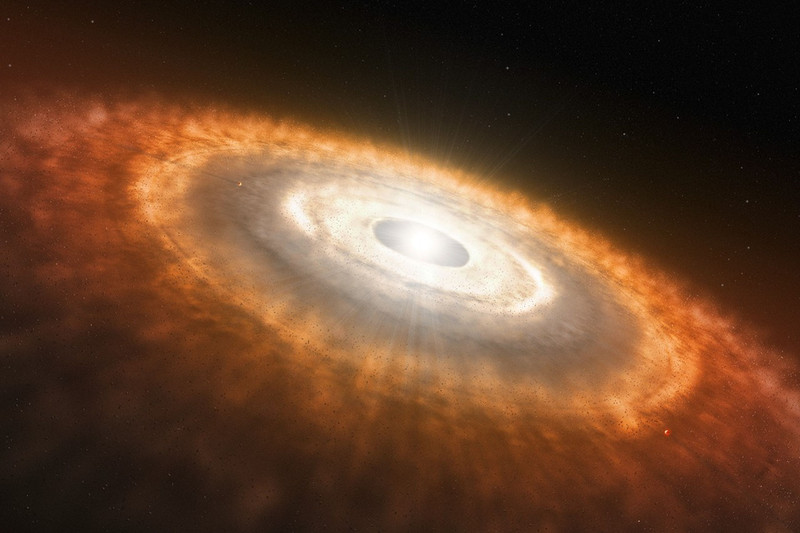
NASA Reveals New Path for Earth's Essential Life Elements
A recent study, published in Science Advances, uncovers how early Earth may have received phosphorus and nitrogen, highlighting Jupiter's critical role.
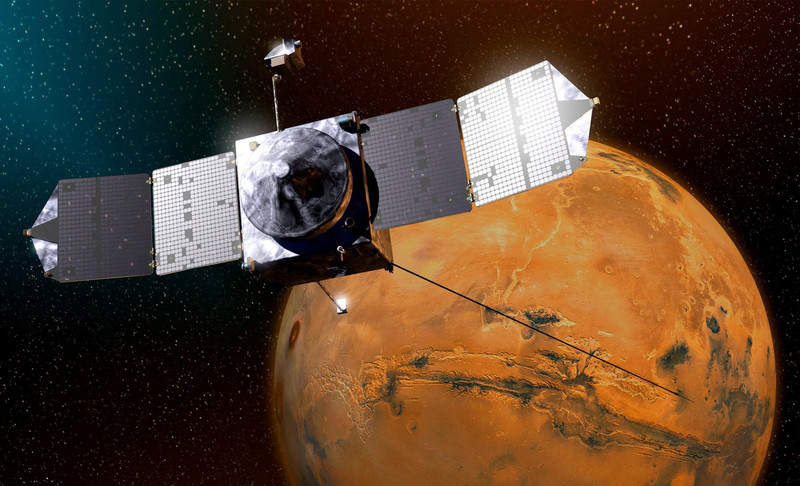
NASA's Maven Mars Orbiter Declared Out of Service After Six Months of Silence
Following an anomaly that disrupted its orbit and depleted its batteries, the Maven spacecraft, vital for understanding Mars' atmosphere, has ended its active mission. Its scientific data remains an invaluable legacy.
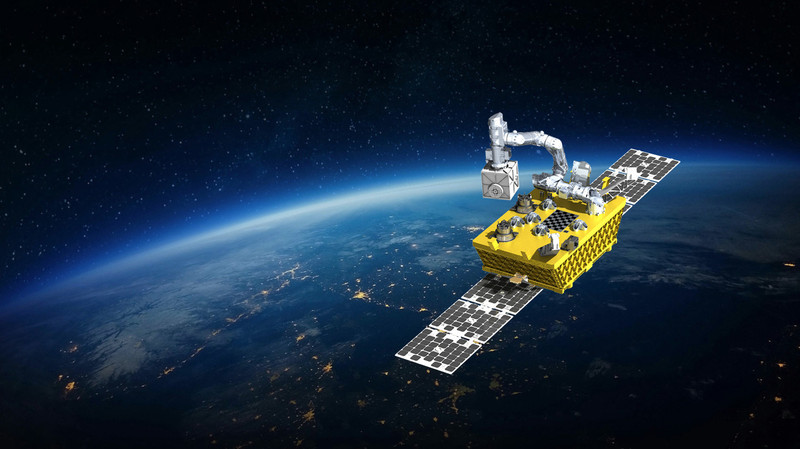
NASA Space Robotics Challenge
NASA invites U.S. researchers to submit proposals for experiments using a robotic arm that will be sent to low Earth orbit as part of the Fly Foundational Robots mission.
Latest news
View all
Stuntman Hollywood: Returns After 19 Years to PS5, Xbox Series, and PC
The iconic action and vehicular stunt franchise makes its comeback courtesy of Saber Interactive, promising a dose of nostalgia and adrenaline for the new generation.

Windows Drops NTLM: Microsoft Boosts Security with Kerberos
Microsoft is taking a crucial step to bolster security in Windows 11, announcing the deprecation of NTLM, its oldest authentication protocol, in favor of Kerberos.

Google Launches Gemma 4 12B: Local AI for Your Laptop with 16GB RAM
Google's new artificial intelligence model aims to democratize access to generative AI, allowing it to run on average consumer computers.
Comments (0)
No comments yet. Be the first!
Leave a comment