
China unveils humanoid robot for Moon mission in 2030
China announced a new AI-powered humanoid robot that will be sent to the Moon as part of its Chang’e-8 mission scheduled for 2030.
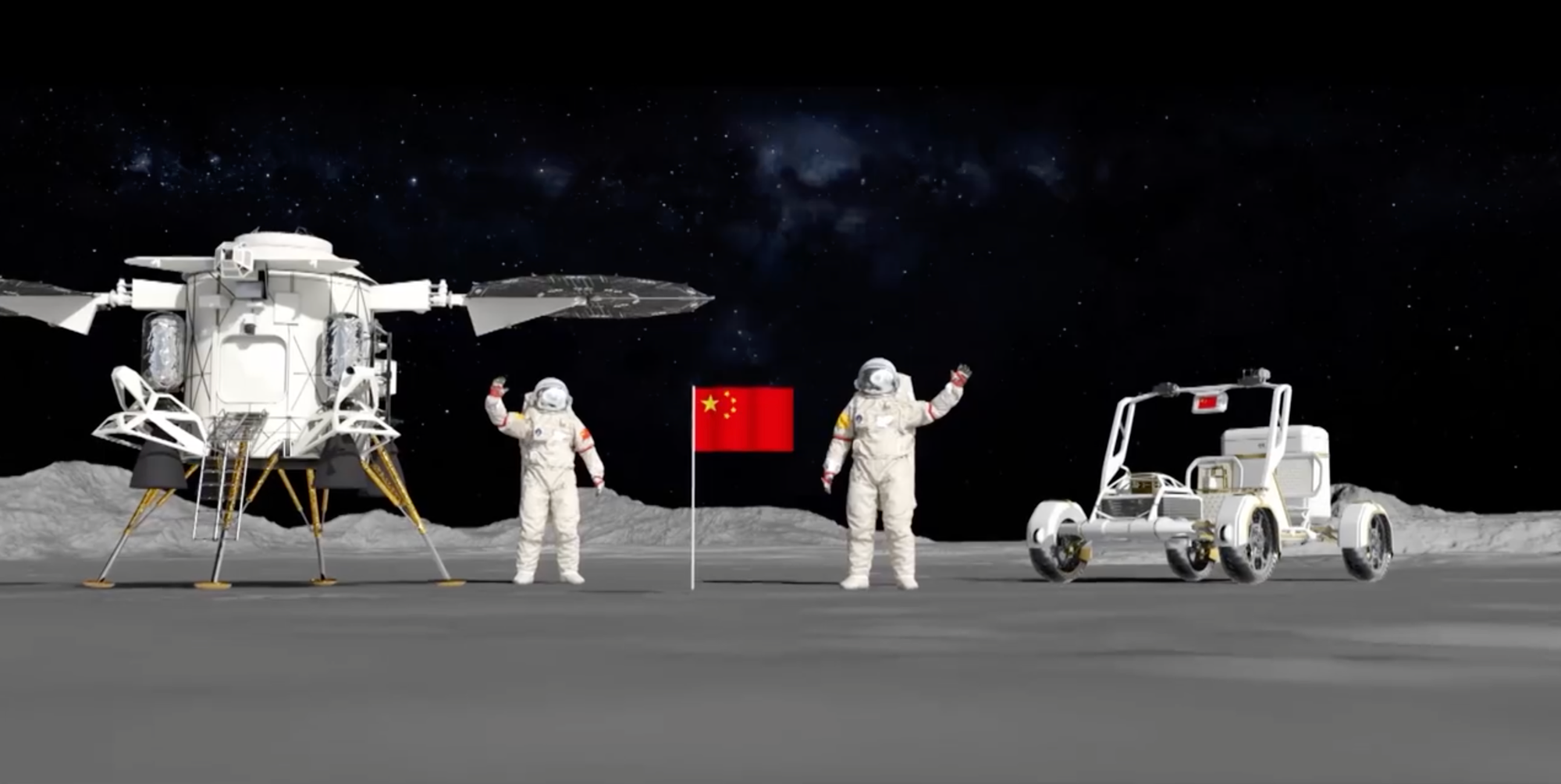
China has revealed an AI-driven humanoid robot designed for lunar exploration, set to be sent to the Moon in 2030. Developed by Hong Kong University of Science and Technology (HKUST), this 100-kilogram robot will serve as a porter, transporting and installing instruments at various lunar sites. It will be part of the Chang’e-8 mission, aiming to expand China’s lunar exploration efforts.
The robot features a humanoid upper body with two arms, mounted on a four-wheeled module equipped with solar panels. Gao Yang, a professor at HKUST, highlighted that this will be a groundbreaking demonstration of humanoid robotics on the Moon by China.
According to Gao, the robot’s onboard artificial intelligence will enable it to identify objects and plan strategies before executing tasks. This autonomy is crucial for operating in the harsh lunar environment where real-time human control is limited.
China’s space program has made significant progress over recent decades, with plans to send humans to the lunar surface in the near future. The Chang’e-8 mission is part of this broader ambition, competing with the United States, which aims to return astronauts to the Moon by 2028 with Artemis IV. However, delays in the U.S. timeline, mainly due to technical hurdles with SpaceX’s Starship, have created uncertainties.
Starship’s large size requires orbital refueling, a technology that has yet to be proven at this scale, complicating the U.S. lunar plans. Jim Bridenstine, former NASA administrator, warned that these challenges could cause the U.S. to fall behind China’s timeline for lunar crewed missions.
Meanwhile, China’s focus remains on advancing lunar robotics, with the humanoid robot being a key element in preparing for future crewed landings. The technology developed for these robots could also benefit other space exploration activities and operations in extreme environments.
The race to the Moon is heating up, with China’s recent robot unveiling marking a significant step in its space ambitions. The next few years will be critical as both nations push forward with their lunar exploration agendas.
By 2029, the world will be watching closely to see how China’s lunar robot performs and how it influences the broader landscape of space exploration.
Article topics
Related articles

NASA Reveals New Path for Earth's Essential Life Elements
A recent study, published in Science Advances, uncovers how early Earth may have received phosphorus and nitrogen, highlighting Jupiter's critical role.
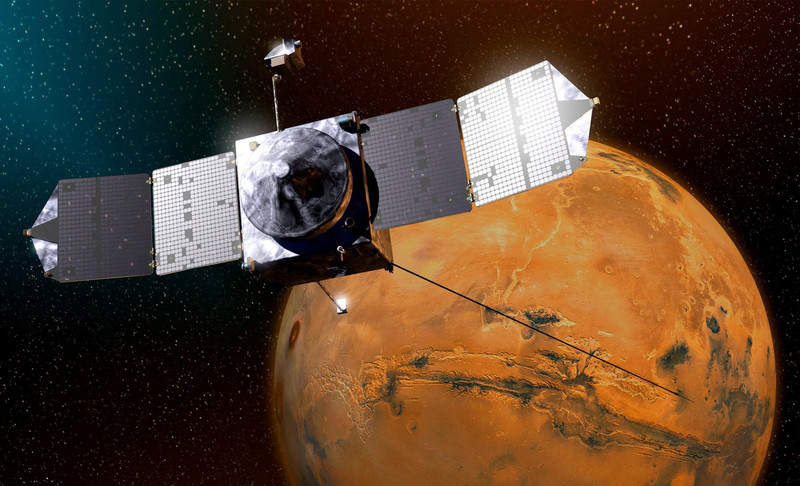
NASA's Maven Mars Orbiter Declared Out of Service After Six Months of Silence
Following an anomaly that disrupted its orbit and depleted its batteries, the Maven spacecraft, vital for understanding Mars' atmosphere, has ended its active mission. Its scientific data remains an invaluable legacy.
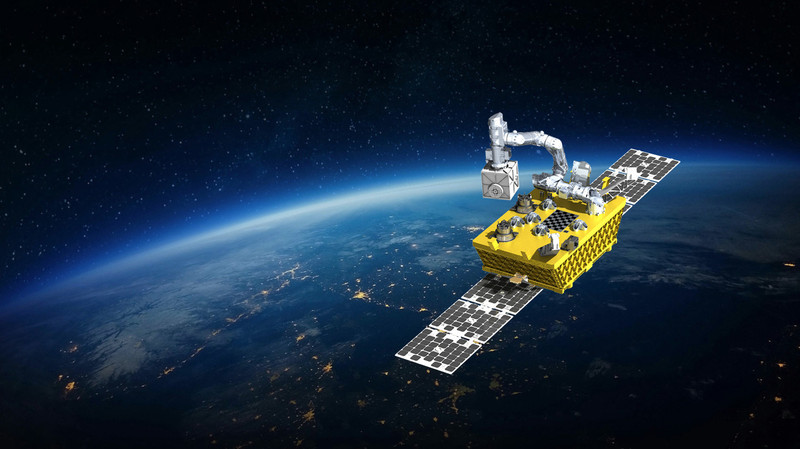
NASA Space Robotics Challenge
NASA invites U.S. researchers to submit proposals for experiments using a robotic arm that will be sent to low Earth orbit as part of the Fly Foundational Robots mission.
Latest news
View all
Stuntman Hollywood: Returns After 19 Years to PS5, Xbox Series, and PC
The iconic action and vehicular stunt franchise makes its comeback courtesy of Saber Interactive, promising a dose of nostalgia and adrenaline for the new generation.

Windows Drops NTLM: Microsoft Boosts Security with Kerberos
Microsoft is taking a crucial step to bolster security in Windows 11, announcing the deprecation of NTLM, its oldest authentication protocol, in favor of Kerberos.

Google Launches Gemma 4 12B: Local AI for Your Laptop with 16GB RAM
Google's new artificial intelligence model aims to democratize access to generative AI, allowing it to run on average consumer computers.
Comments (0)
No comments yet. Be the first!
Leave a comment