
Active fault zone under the Pacific may reshape the planet
Scientists found a subduction zone actively disintegrating off Canada, raising questions about future seismic risks and Earth's dynamics.
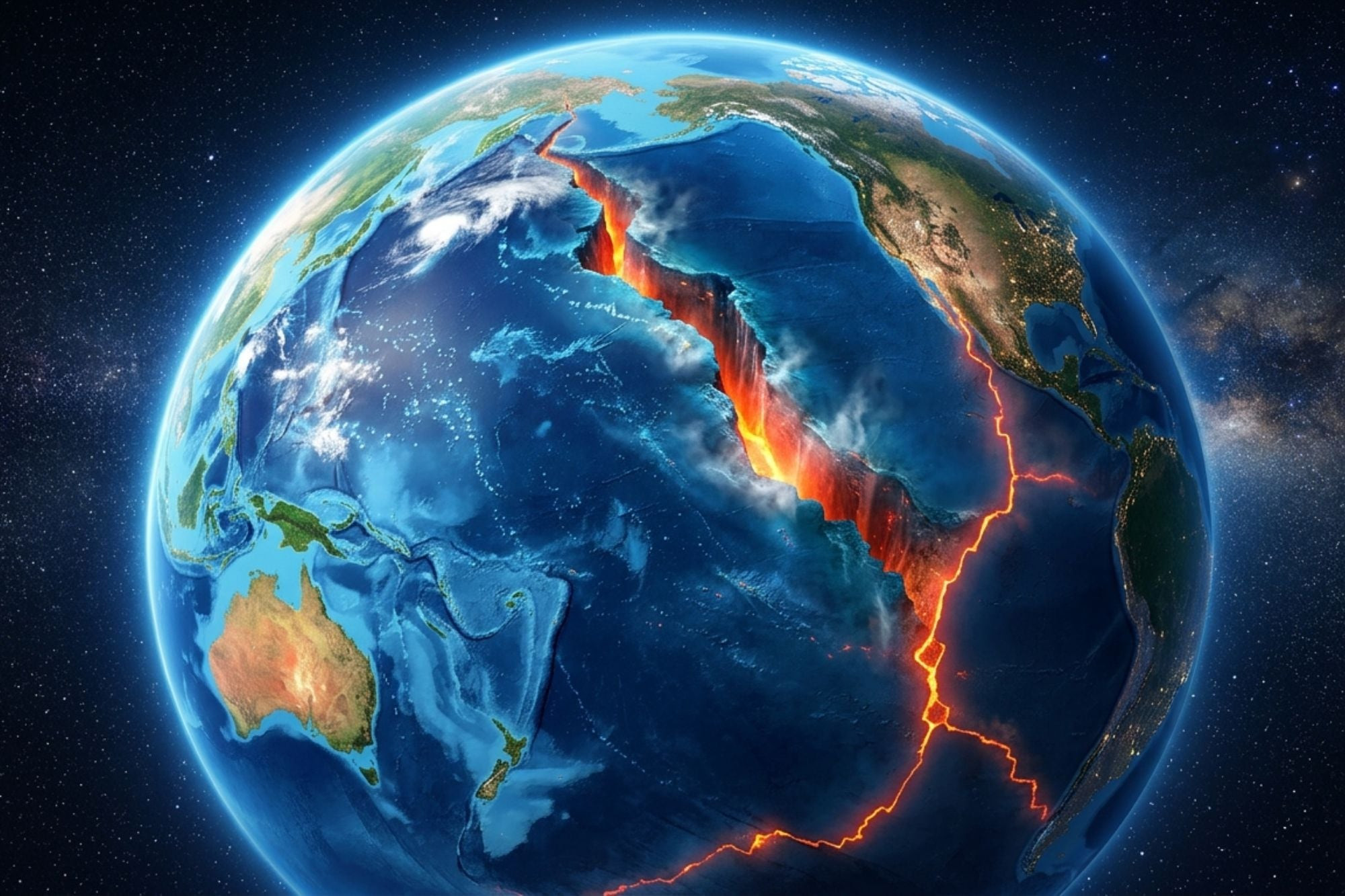
A groundbreaking geological discovery has alerted the international scientific community: the ocean floor beneath the northwest Pacific is actively fracturing.
Researchers from the Cascadia Seismic Imaging Experiment (CASIE21), published in _Science Advances_, confirmed that the tectonic plates Juan de Fuca and Explorer, sliding beneath the North American plate, are in the process of active fragmentation.
Brandon Shuck, an associate professor at Louisiana State University, explained that this region, crucial for regional tectonic balance, is slowly tearing apart in what they describe as a critical geological phenomenon.
“This is the first time we have a clear image of a subduction zone in the process of disappearing,” he said. To illustrate, he compared the process to a prolonged train derailment: “Instead of collapsing suddenly, the plate is gradually disintegrating, creating microplates and new boundaries,” he explained.
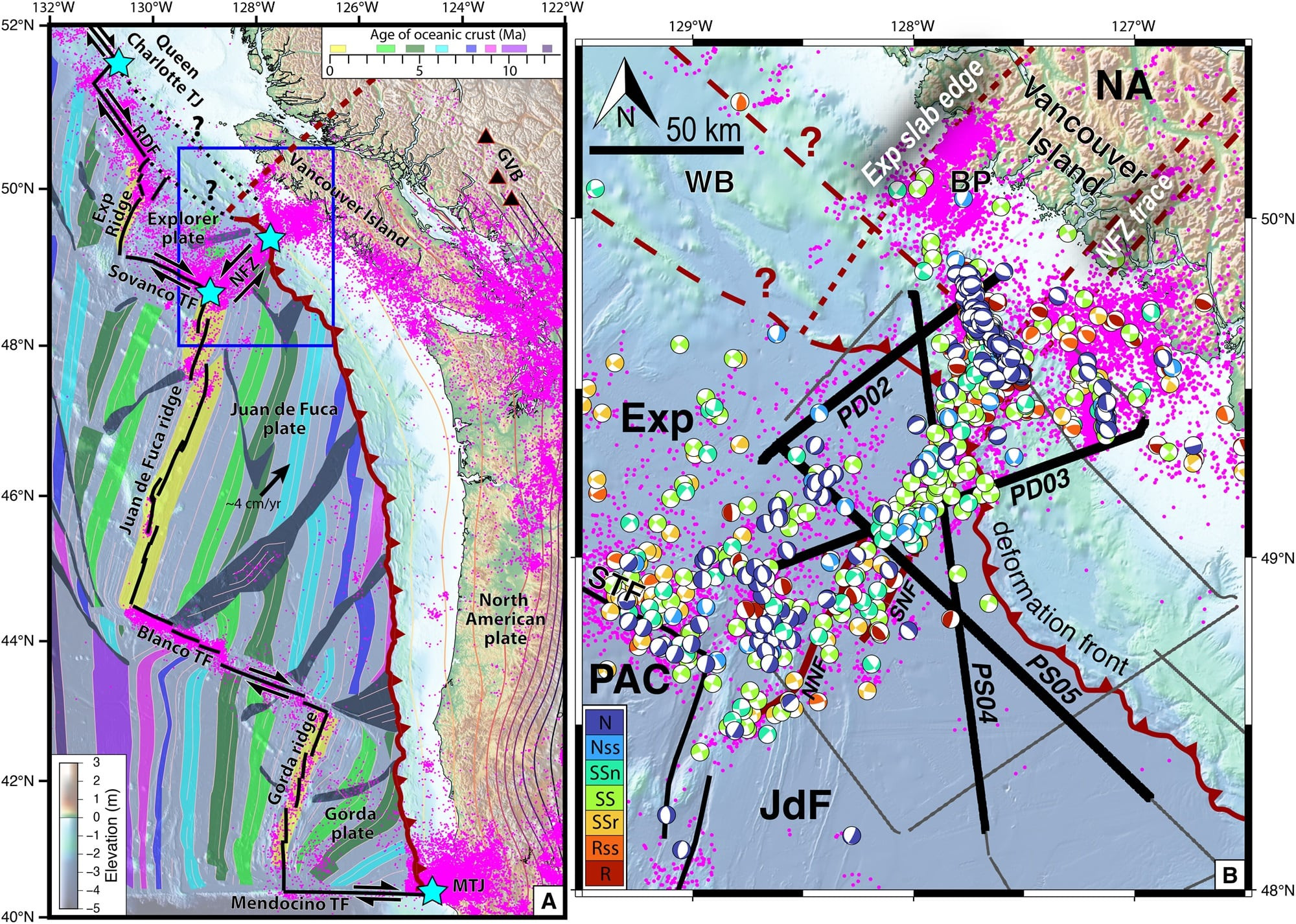
The study, combining deep seismic imaging with regional seismicity data, reveals how large cracks fracture the Juan de Fuca plate, with an active fault about 75 kilometers long.
While this raises concerns about potential earthquakes or eruptions, scientists emphasize that the fracture expands at an extremely slow pace, estimated over millions of years. “It has not fully detached yet, but it’s close,” Shuck noted.
This process is part of the tectonic cycle, where subduction zones act as geological engines. The observed fragmentation in Cascadia reflects how the young, warmer lithosphere resists subduction when an oceanic ridge approaches a trench.
These findings, never before seen with such clarity, help improve understanding of the life cycle of tectonic plates and their impact on seismic risks in the region.
The report underscores that, although this tear is a geological rarity, it does not immediately increase the risks of tsunamis or large earthquakes. Still, it sheds light on how ancient tectonic fragments formed through similar processes and how Earth's configuration remains dynamic and constantly evolving.
Article topics
Related articles
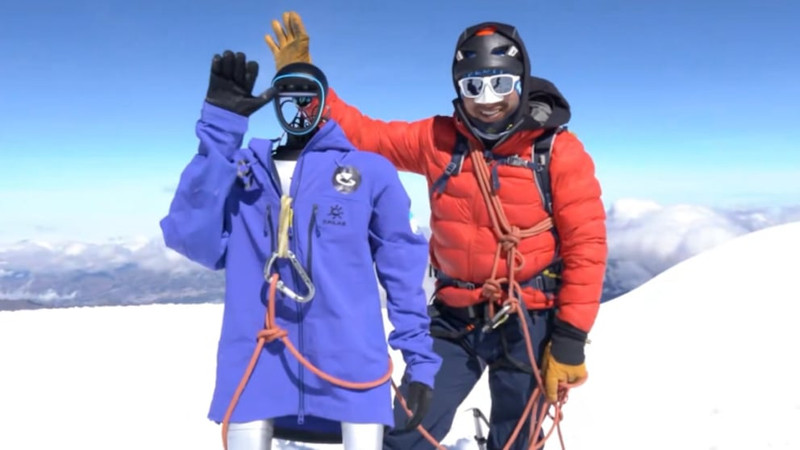
Humanoid Robot Pemba Climbs Chimborazo, Sets Sights on Everest Summit
The humanoid robot Pemba, an adaptation of the Unitree G1, recently ascended over 6,000 meters on Chimborazo and now aims to conquer Mount Everest. This technological feat paves the way for new forms of exploration in extreme environments.

Artemis III Progresses to Moon with Crucial Challenges and Mars Ambitions
NASA's Artemis III mission aims for a sustained human presence on the Moon, navigating delays in space suit development and technical hurdles with partners SpaceX and Blue Origin.
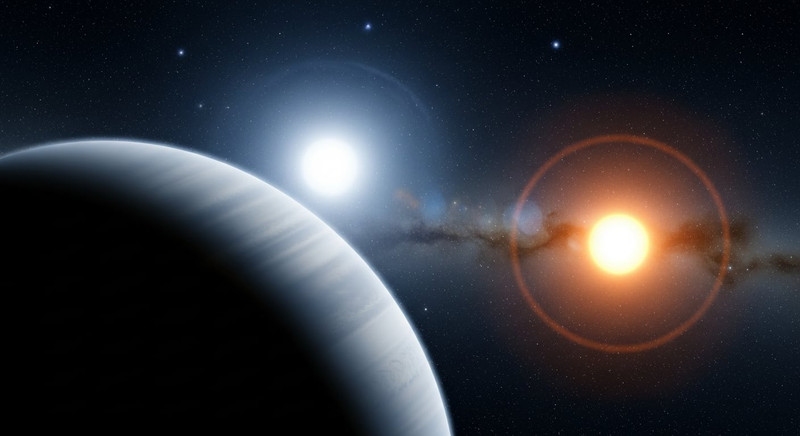
Stanford's STEHM Model Optimizes Search for Habitable Exoplanets
Stanford University introduces STEHM, a new tool that filters exoplanets based on their ability to maintain stable atmospheres, a key condition for life.
Latest news
View all
Elon Musk Plans Space Data Centers to Ease AI Energy Crisis
The escalating energy demand for artificial intelligence and terrestrial data centers is driving SpaceX to explore space-based solutions, with Starship being key to economic viability.

US Government Suspends Access to Anthropic's Fable 5 and Mythos 5 AI Models
A national security directive forces Anthropic to disable its advanced AI models, Fable 5 and Mythos 5, for all customers starting June 12, 2026.

Google Launches Gemini 3.5 Live Translate for Instant Voice Translation
Google expands real-time translation availability with Gemini 3.5 Live Translate, offering lower latency and support for over 70 languages.
Comments (0)
No comments yet. Be the first!
Leave a comment