
NASA launches global challenge to produce food for space missions
The agency offers thousands of dollars to develop self-sufficient systems to feed astronauts on Mars and the Moon.
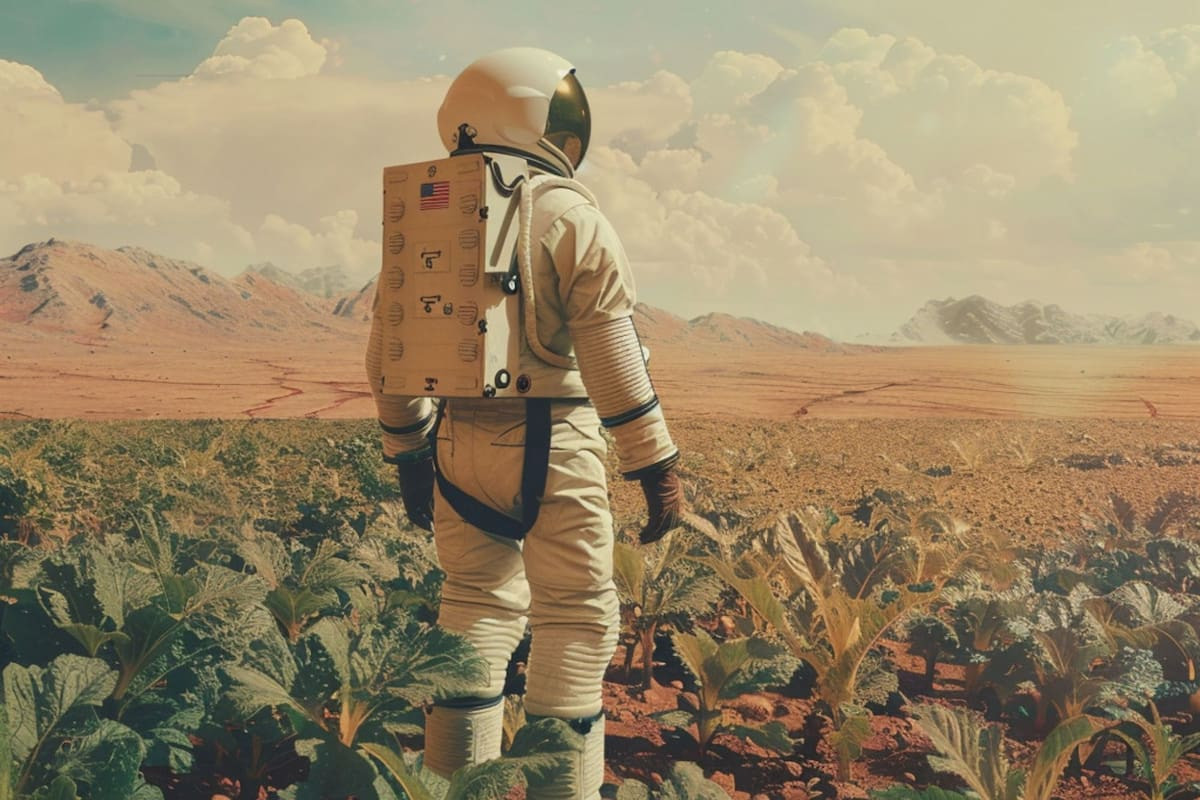
The NASA announced the launch of the _Deep Space Food Challenge: Mars to Table_, an international contest seeking innovative solutions for producing food during long-duration space missions. Open until July 31, 2026, the challenge offers a total of 750,000 dollars in prizes for systems that can feed astronauts without relying on supplies from Earth.
The core issue lies in the scale of future missions, as supply logistics are manageable in Earth's orbit but become impossible over distances exceeding 200 million kilometers to Mars or the Moon. This dependency on constant resupply is both unfeasible and a significant logistical risk, besides being costly.
Travel durations could extend for years, requiring systems that minimize weight and maximize efficiency in harsh environments.
The challenge demands a comprehensive approach that includes production, preparation, storage, safety, and waste management. The goal is to develop systems capable of meeting 100% of crew nutritional needs, using no more than 50% of inputs from Earth.
Participating teams in the US can win up to 300,000 dollars, along with recognition, while international teams can earn awards and official NASA acknowledgment. They must submit detailed plans including a 14-day menu, architectural system design, and a functional Python model compatible with BioSim.
Beyond space, the developed technologies could revolutionize food security in remote areas, disaster zones, polar bases, or fragile supply chains. Creating autonomous systems in extreme conditions may be vital for addressing crises on Earth.
The competition will conclude in September 2026 after evaluations and a final Q&A session with the jury. NASA emphasizes that food palatability and variety are crucial, as nutrition directly impacts crew morale and performance during long missions.
This challenge underscores NASA's commitment to space exploration and innovation in life support systems, aligning with plans for future Mars missions and the Artemis program.
Article topics
Related articles

Humanoid Robot Pemba Climbs Chimborazo, Sets Sights on Everest Summit
The humanoid robot Pemba, an adaptation of the Unitree G1, recently ascended over 6,000 meters on Chimborazo and now aims to conquer Mount Everest. This technological feat paves the way for new forms of exploration in extreme environments.
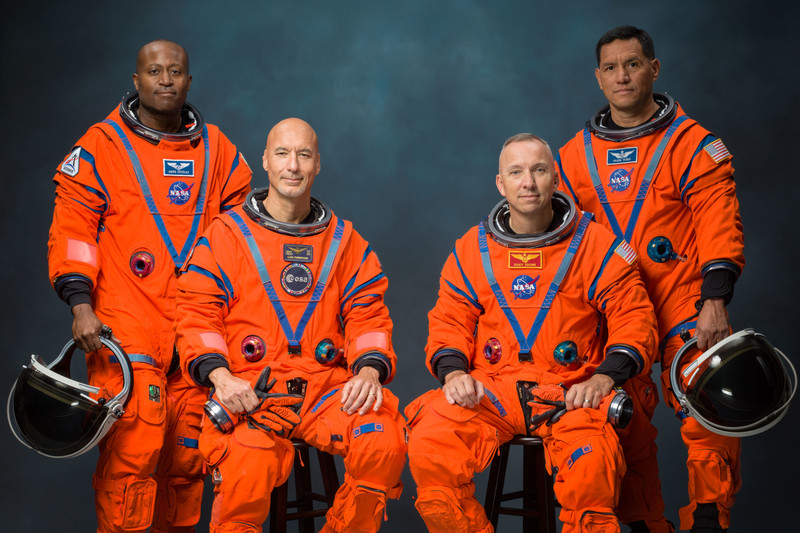
Artemis III Progresses to Moon with Crucial Challenges and Mars Ambitions
NASA's Artemis III mission aims for a sustained human presence on the Moon, navigating delays in space suit development and technical hurdles with partners SpaceX and Blue Origin.
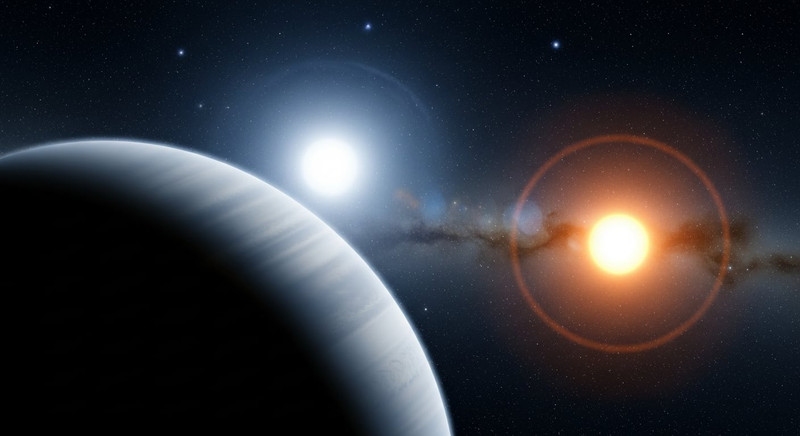
Stanford's STEHM Model Optimizes Search for Habitable Exoplanets
Stanford University introduces STEHM, a new tool that filters exoplanets based on their ability to maintain stable atmospheres, a key condition for life.
Latest news
View all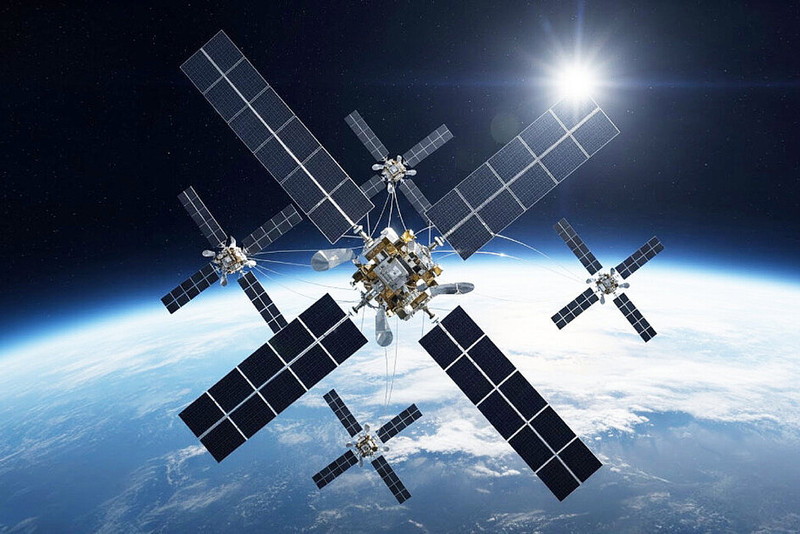
Elon Musk Plans Space Data Centers to Ease AI Energy Crisis
The escalating energy demand for artificial intelligence and terrestrial data centers is driving SpaceX to explore space-based solutions, with Starship being key to economic viability.

US Government Suspends Access to Anthropic's Fable 5 and Mythos 5 AI Models
A national security directive forces Anthropic to disable its advanced AI models, Fable 5 and Mythos 5, for all customers starting June 12, 2026.

Google Launches Gemini 3.5 Live Translate for Instant Voice Translation
Google expands real-time translation availability with Gemini 3.5 Live Translate, offering lower latency and support for over 70 languages.
Comments (0)
No comments yet. Be the first!
Leave a comment