
Human Thought May Begin Before Birth, Study Suggests
Recent research from the University of Durham and Lisbon suggests that consciousness and thought form during gestation, challenging previous ideas.
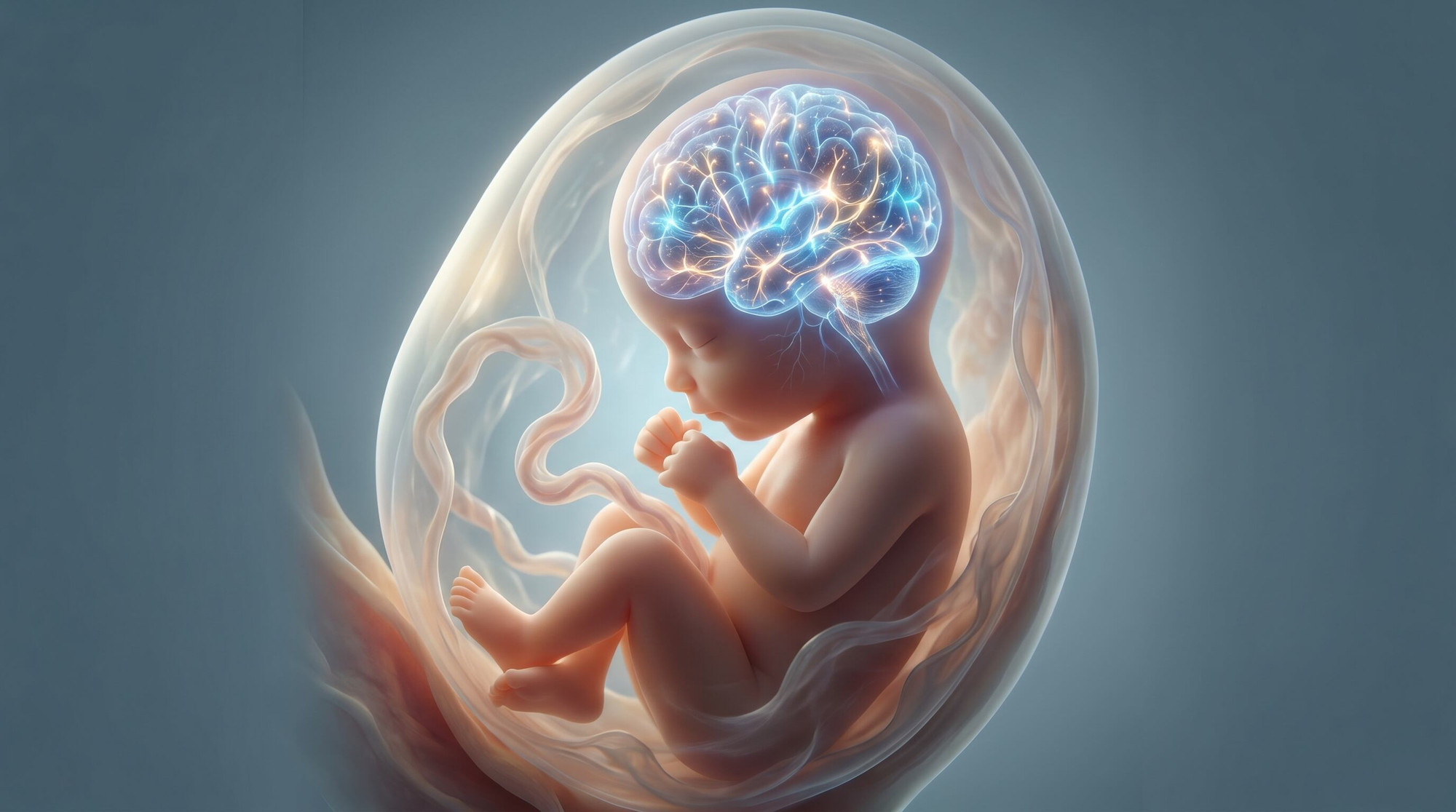
What if human thought begins much earlier than we ever imagined, even before birth? Fascinating research from the University of Durham is posing this very question, challenging traditional notions about the onset of consciousness and cognition in humans. This fresh perspective suggests that the foundations of our minds are built in much earlier stages of development than previously thought.
Bayne, a professor at the University of Durham, proposes a bold viewpoint: thinking might be more closely related to the ability to act rather than merely the presence of conscious experiences. He considers that, months after birth, when babies learn to move a hanging mobile and experience frustration or satisfaction upon achieving their goal, we are witnessing the first glimpses of intentional thoughts. These emotional reactions, for Bayne, offer a window into early cognitive activity.
Meanwhile, cognitive scientist Anna Ciaunica, from the University of Lisbon, invites us to reflect on a potential "adult bias." She argues that we often assume thought and consciousness only emerge after birth or require sophisticated concepts that infants do not possess. Ciaunica posits a powerful idea: "existence comes first, knowledge later."
"Existence comes first, knowledge later."
These ideas are reinforced by discoveries about sensory experiences during gestation. As reported by New Scientist, these prenatal experiences contribute to forming a basic sense of "self" in humans even before they enter the world. This means the uterine environment is not just a space for physical development, but a fertile ground for identity formation.
A compelling example of this prenatal influence is observed in babies of bilingual mothers. New Scientist mentions that these infants exhibit distinct crying patterns, a clear indication of how experiences within the womb can shape identity formation and cognitive preferences from a very early stage. Exposure to different languages, even passively, leaves its mark.
Ciaunica further elaborates on the critical role of constant interaction with the mother, describing it as the core of the prenatal experience. This bond is not only emotional but also has strong biological underpinnings. The development of the enteric nervous system and early olfactory specialization are processes that support the idea that sensory integration and the construction of the "self" begin well before birth.
Beyond just the brain, the fundamental relationship between the body and its environment is established before birth, as highlighted by New Scientist. This early connection is vital for an individual's future orientation and survival. It's not solely the brain that prepares, but the entire organism in its interaction with the world.
Ultimately, the first authentic experience of the human mind appears to be defined by the recognition of another presence. Consciousness, then, is not a solitary phenomenon; it begins to be forged from the bond with others, accompanying thought and identity throughout life. This prompts us to reconsider the profound interconnectedness between individual development and relationships from day one.
Understanding that consciousness and thought may have prenatal roots compels us to rethink how we approach early care and stimulation. If identity and cognition are forged so early, the impact of gestational experiences could be even more significant than science has previously recognized, opening new avenues for research in neurodevelopment and child psychology.
Article topics
Related articles
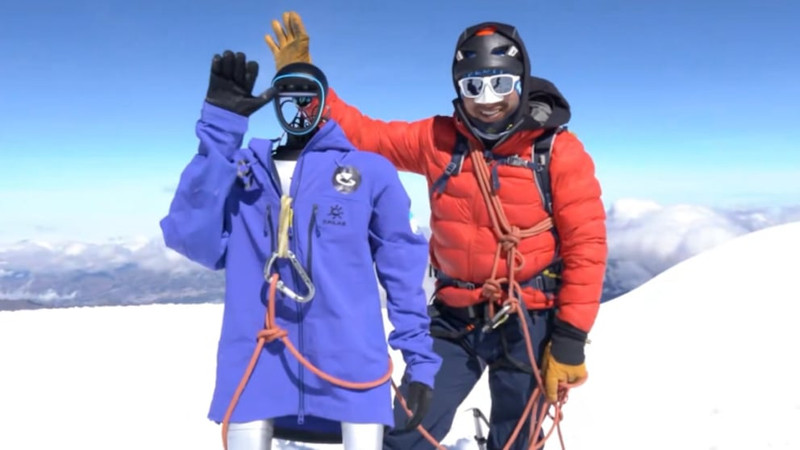
Humanoid Robot Pemba Climbs Chimborazo, Sets Sights on Everest Summit
The humanoid robot Pemba, an adaptation of the Unitree G1, recently ascended over 6,000 meters on Chimborazo and now aims to conquer Mount Everest. This technological feat paves the way for new forms of exploration in extreme environments.
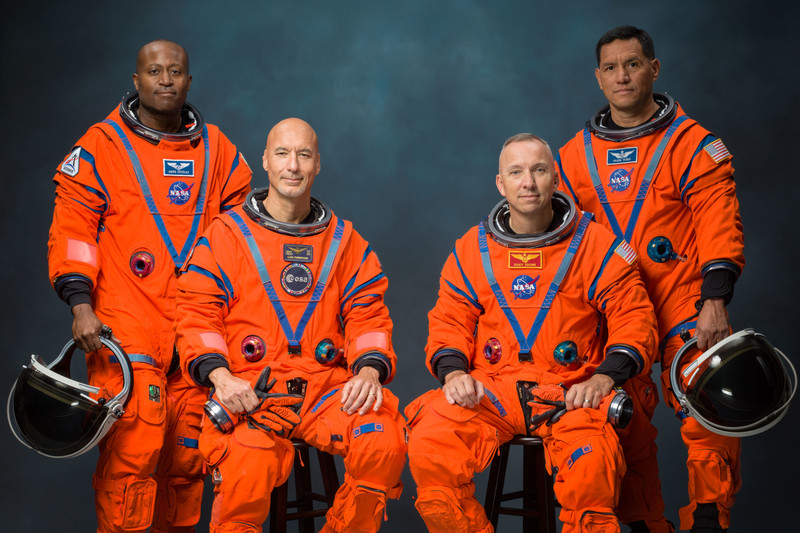
Artemis III Progresses to Moon with Crucial Challenges and Mars Ambitions
NASA's Artemis III mission aims for a sustained human presence on the Moon, navigating delays in space suit development and technical hurdles with partners SpaceX and Blue Origin.

Stanford's STEHM Model Optimizes Search for Habitable Exoplanets
Stanford University introduces STEHM, a new tool that filters exoplanets based on their ability to maintain stable atmospheres, a key condition for life.
Latest news
View all
Spider-Man: Brand New Day Trailer Reveals Peter's Mutation and Mysterious Villain
The new "Spider-Man: Brand New Day" trailer showcases Peter Parker's full Man-Spider transformation and The Punisher's unexpected key role, while the identity of the villain played by Sadie Sink sparks intense theories.
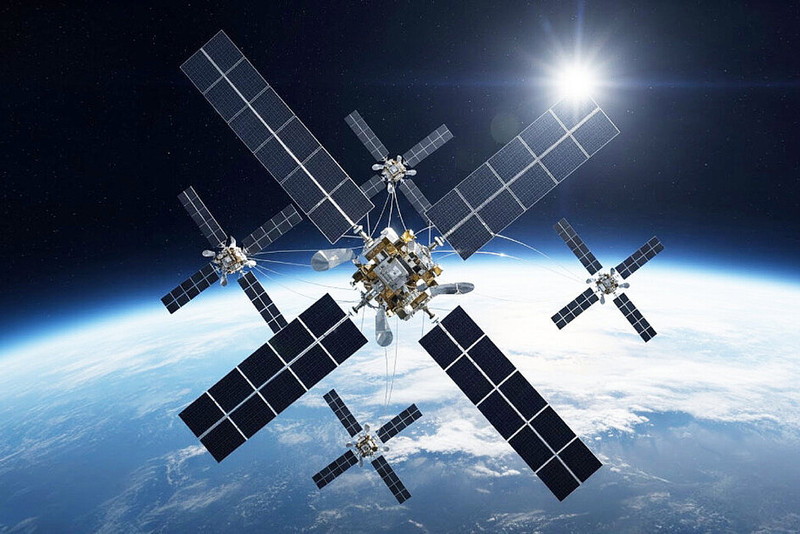
Elon Musk Plans Space Data Centers to Ease AI Energy Crisis
The escalating energy demand for artificial intelligence and terrestrial data centers is driving SpaceX to explore space-based solutions, with Starship being key to economic viability.
US Government Suspends Access to Anthropic's Fable 5 and Mythos 5 AI Models
A national security directive forces Anthropic to disable its advanced AI models, Fable 5 and Mythos 5, for all customers starting June 12, 2026.
Comments (0)
No comments yet. Be the first!
Leave a comment