
Urban Birds: A Double-Edged Sword in Avian Flu's Global Spread
A recent study reveals that limited waterfowl movement in urban environments can slow the global dispersion of the H5N1 virus, yet paradoxically increases the risk of intense outbreaks in specific locations.
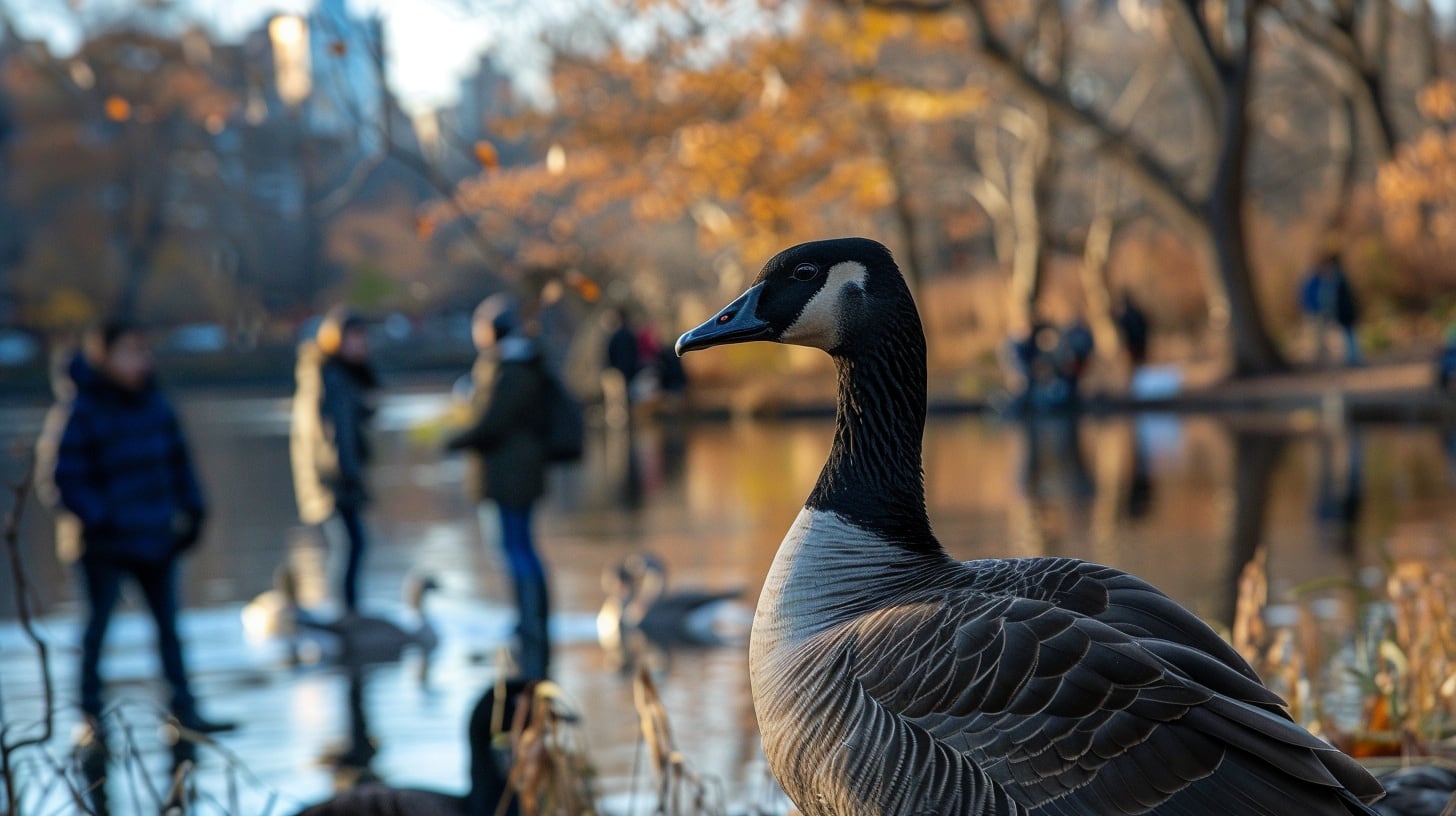
In the heart of many cities, the sight of ducks and geese congregating by an artificial lake is common. These birds, finding food, water, and shelter just a few meters away, surrounded by asphalt and buildings, have no need to fly far or seek new territories. This scene, replicated in urban parks and peri-urban areas across the Northern Hemisphere, has allowed scientists to uncover a crucial pattern that could redefine our understanding of avian influenza propagation. A groundbreaking study, published in the prestigious journal Ecology Letters, has revealed that the restricted mobility of waterfowl in human-dominated environments can act as a natural brake on the global dispersion of the feared H5N1 virus. However, this very limitation in movement carries a significant trade-off: an elevated risk of intense, localized outbreaks in specific hotspots. Understanding the "how" and "why" behind these animals' movements has become a fundamental piece in anticipating the evolution of one of the world's most closely monitored health threats.
The Research Behind the Discovery
The study shedding light on this phenomenon was led by a team from the University of Georgia, which dedicated two decades to analyzing the displacement patterns of over 4,600 waterfowl, encompassing 26 distinct species across the Northern Hemisphere. The depth and breadth of this research are remarkable, providing a robust database for its conclusions. The findings are clear: in areas characterized by a high human presence or notable habitat diversity, such as urban wetlands or metropolitan parks, ducks and geese travel significantly shorter distances outside their migratory periods. This observation is key to understanding the virus's dynamics. According to Claire Teitelbaum, a biologist and lead author of the study, "The environment defines how much birds move and, from that, we can anticipate where avian flu might advance." This statement underscores the importance of landscape ecology in disease epidemiology.
Urban Environments as a Determining Factor
The research delves into how landscape structure directly influences avian mobility. The report highlights a stark difference between homogeneous and diverse environments. In uniform stretches of land, such as vast agricultural fields, birds are forced to travel up to six times farther to meet their basic needs for food or shelter. This is due to the scarcity or dispersion of resources in a less varied landscape. Conversely, in urban landscapes or those presenting greater environmental variety, birds can fulfill all their vital needs—from feeding to resting and reproduction—within a surprisingly small radius, often less than 1.6 kilometers (approximately 1 mile). The concentrated availability of resources in these densely populated environments with fragmented yet rich habitats drastically reduces the need for extensive travel, creating a unique epidemiological microclimate.
Less Regional Dispersion, Greater Local Risk
The reduction in bird mobility has direct and complex consequences for avian influenza dynamics. While limited movement means the virus circulates less between distant geographical regions—which could be interpreted as a positive factor for global containment—the concentration of birds in confined spaces generates an elevated risk. This aggregation can foster more aggressive and intense outbreaks in specific areas. It's a double-edged sword: large-scale expansion is curbed, but the local threat is intensified. During the breeding season, for instance, bird movements decrease dramatically as they remain close to their nests and offspring. This behavior, while limiting the geographical spread of the virus, significantly increases the likelihood of localized and highly virulent outbreaks occurring within those colonies or nesting areas.
Seasonal Variations and Virus Dynamics
The dynamics of bird movement, and thus the propagation of the H5N1 virus, are not static but vary significantly with the seasons. While movements are minimal during the breeding season, the pattern dramatically reverses during winter. In this season, birds considerably increase their displacements in search of resources, which tend to be scarcer and more dispersed. Researchers observed that distances traveled can double compared to the breeding season. This increase in winter mobility has a direct and concerning implication: it can facilitate the virus's arrival in new geographical areas and, potentially, to new species, expanding its host range and adaptive capacity. Understanding these seasonal variations is vital for implementing more effective surveillance and control strategies.
New York City: An Urban Laboratory for Avian Flu
New York City has emerged as a true natural laboratory for experts monitoring the advance of avian influenza in urban environments. In recent years, the H5N1 virus has demonstrated its capacity to affect a wide range of species in this setting, including Canadian geese, swans, owls, and various wild mammals such as raccoons and foxes. The particular combination of high human density and a surprising diversity of urban habitats—from extensive parks to small bodies of water—contributes to the disease remaining active and extraordinarily difficult to eradicate. This case study underscores the complexity of the interaction between wildlife, urban environments, and public health, highlighting the need for continuous surveillance and innovative strategies to mitigate the risks associated with avian influenza in an increasingly urbanized world.
Article topics
Related articles
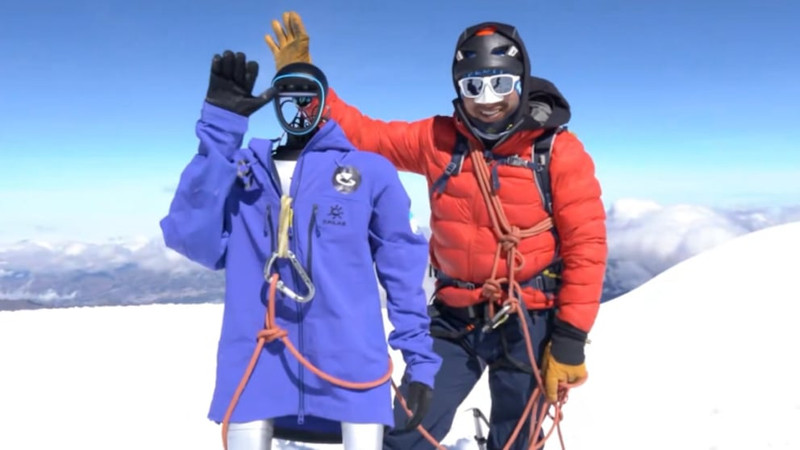
Humanoid Robot Pemba Climbs Chimborazo, Sets Sights on Everest Summit
The humanoid robot Pemba, an adaptation of the Unitree G1, recently ascended over 6,000 meters on Chimborazo and now aims to conquer Mount Everest. This technological feat paves the way for new forms of exploration in extreme environments.
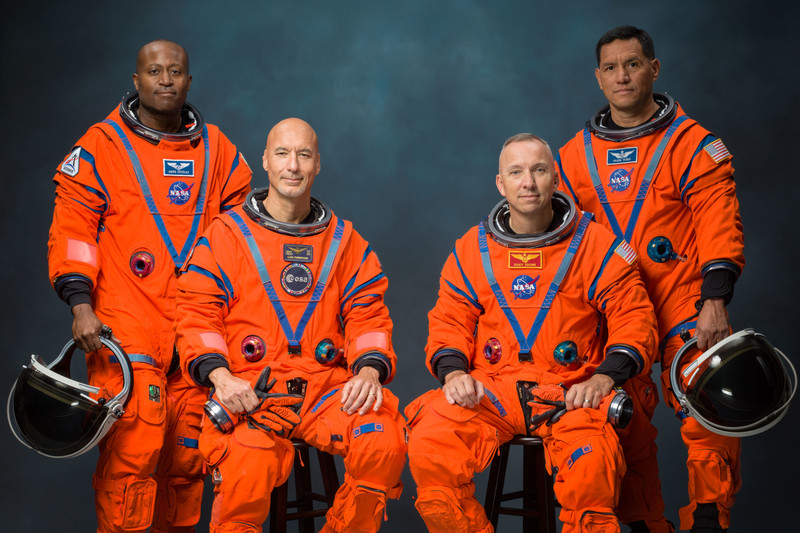
Artemis III Progresses to Moon with Crucial Challenges and Mars Ambitions
NASA's Artemis III mission aims for a sustained human presence on the Moon, navigating delays in space suit development and technical hurdles with partners SpaceX and Blue Origin.

Stanford's STEHM Model Optimizes Search for Habitable Exoplanets
Stanford University introduces STEHM, a new tool that filters exoplanets based on their ability to maintain stable atmospheres, a key condition for life.
Latest news
View all
Elon Musk Plans Space Data Centers to Ease AI Energy Crisis
The escalating energy demand for artificial intelligence and terrestrial data centers is driving SpaceX to explore space-based solutions, with Starship being key to economic viability.
US Government Suspends Access to Anthropic's Fable 5 and Mythos 5 AI Models
A national security directive forces Anthropic to disable its advanced AI models, Fable 5 and Mythos 5, for all customers starting June 12, 2026.

Google Launches Gemini 3.5 Live Translate for Instant Voice Translation
Google expands real-time translation availability with Gemini 3.5 Live Translate, offering lower latency and support for over 70 languages.
Comments (0)
No comments yet. Be the first!
Leave a comment