
Titanosaur Fossilized Eggs Found in France Linked to Patagonia
An astonishing discovery in Mèze, France, reveals dinosaur eggs identical to those found in Argentina, suggesting a 70-million-year-old biological link between the continents.
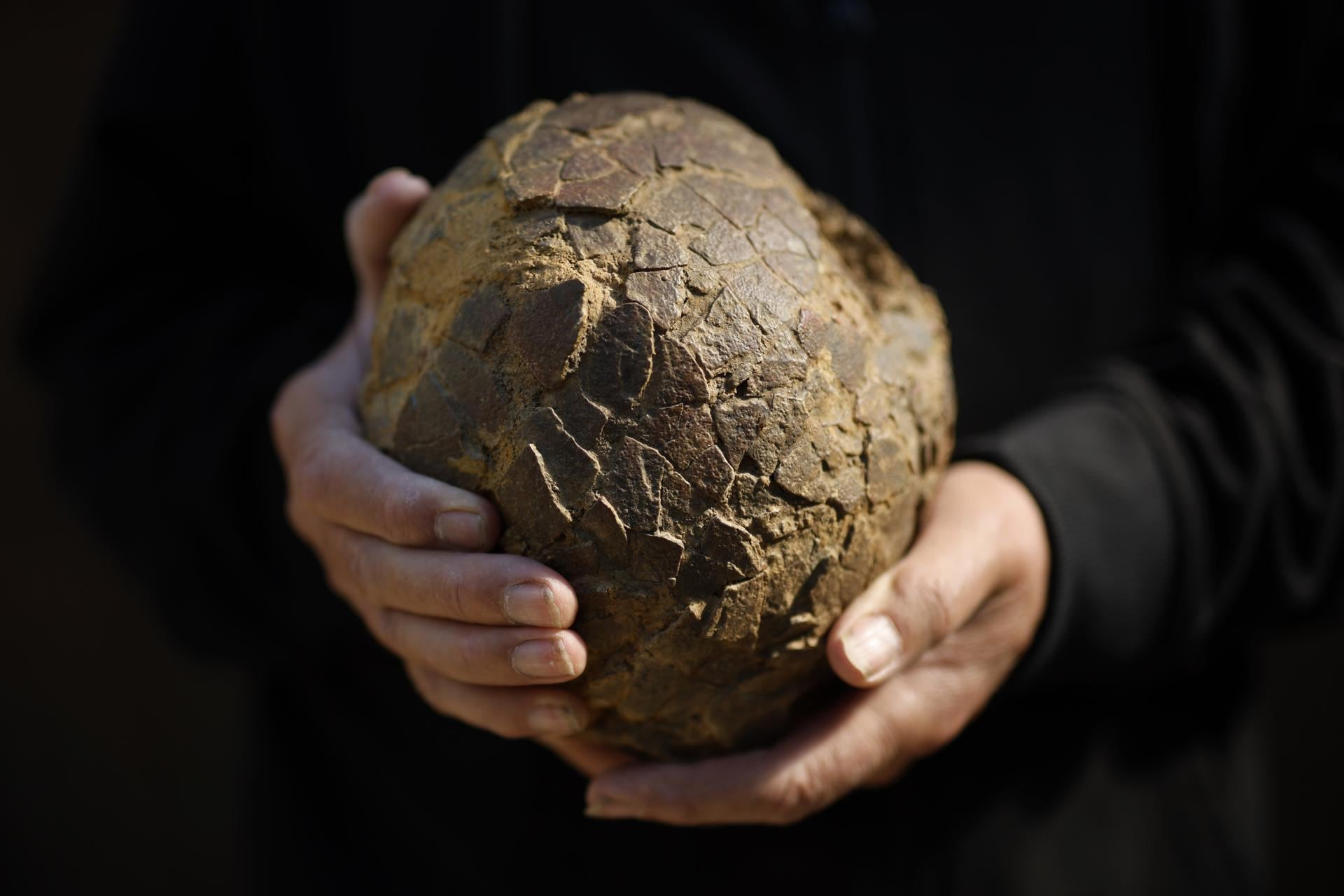
An incredible discovery transports us 70 million years into the past! In the Mèze region of France, fossilized titanosaur eggs have been found that exhibit a surprising morphological similarity to those unearthed in Argentinian Patagonia. This finding, reported by Infobae, not only expands our knowledge of these colossal creatures but also suggests a direct biological connection between South America and Europe during the Cretaceous period.
Although the French eggs do not contain embryos, likely due to the soil's chemical composition dissolving soft tissues over time, they are comparable to the eggs discovered in 1997 at the Auca Mahuevo site in Argentina. At that time, a team led by Rodolfo Coria and Luis Chiappe found thousands of eggs, many with embryos and fossilized skin remnants. The morphological resemblance is so striking that Alain Cabot, one of the paleontologists involved in the French discovery, stated: “These eggs are comparable to those found in Argentina, specifically those from the Auca Mahuevo site.”
This connection between continents now separated by thousands of kilometers is explained by the geology of the past. During the Cretaceous period, the configuration of the continents allowed for “certain biological exchanges,” as Cabot explained. Continental drift and the proximity of landmasses facilitated species migration, enabling titanosaurs, known for being the largest terrestrial animals to have ever existed, to colonize vast territories.
The Mèze region boasts a rich paleontological history. Three decades ago, a similar discovery made by Cabot himself led to the creation of the Musée-Parc des Dinosaures. This 50-hectare park not only displays dinosaur reproductions but also serves as a center for research and preservation of fossil finds.
However, advancing research faces challenges. Despite the museum's educational and outreach potential, Cabot emphasizes the need for greater international scientific collaboration. “It is important that it be known in Argentina to advance knowledge about dinosaurs,” he highlighted. The lack of active participation from France's main research institution, the CNRS, in studying these new fossils underscores the complexity of coordinating transnational scientific efforts.
“These eggs are comparable to those found in Argentina, specifically those from the Auca Mahuevo site.”
The scientific value of these fossilized eggs is immense, opening new avenues for understanding the evolutionary history of titanosaurs. The priority for experts is to conduct a detailed comparative analysis with the Argentinian fossils. Future research is expected to shed light on the embryonic development, social structure, and even migration patterns of these prehistoric giants.
This discovery in Mèze adds a fascinating chapter to paleontology, reinforcing the bond between France and Argentina through the remnants of a shared past. The titanosaur eggs, found in the French clay, hold a story spanning millions of years that science is now beginning to unveil, inviting us to rethink prehistoric maps and the biological ties that once connected distant continents.
Article topics
Related articles
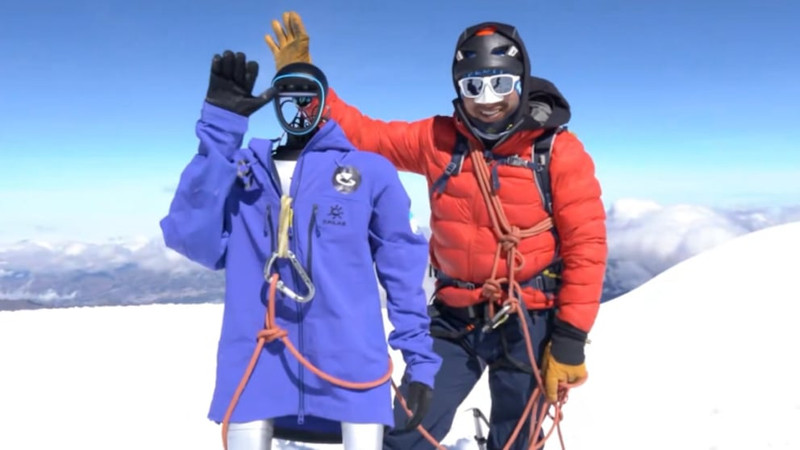
Humanoid Robot Pemba Climbs Chimborazo, Sets Sights on Everest Summit
The humanoid robot Pemba, an adaptation of the Unitree G1, recently ascended over 6,000 meters on Chimborazo and now aims to conquer Mount Everest. This technological feat paves the way for new forms of exploration in extreme environments.

Artemis III Progresses to Moon with Crucial Challenges and Mars Ambitions
NASA's Artemis III mission aims for a sustained human presence on the Moon, navigating delays in space suit development and technical hurdles with partners SpaceX and Blue Origin.

Stanford's STEHM Model Optimizes Search for Habitable Exoplanets
Stanford University introduces STEHM, a new tool that filters exoplanets based on their ability to maintain stable atmospheres, a key condition for life.
Latest news
View all
Elon Musk Plans Space Data Centers to Ease AI Energy Crisis
The escalating energy demand for artificial intelligence and terrestrial data centers is driving SpaceX to explore space-based solutions, with Starship being key to economic viability.
US Government Suspends Access to Anthropic's Fable 5 and Mythos 5 AI Models
A national security directive forces Anthropic to disable its advanced AI models, Fable 5 and Mythos 5, for all customers starting June 12, 2026.

Google Launches Gemini 3.5 Live Translate for Instant Voice Translation
Google expands real-time translation availability with Gemini 3.5 Live Translate, offering lower latency and support for over 70 languages.
Comments (0)
No comments yet. Be the first!
Leave a comment