
Rosalind Franklin Rover Set to Launch on Mars in 2028 After Delays
After years of setbacks due to technical issues and geopolitical tensions, the ExoMars mission is back on track with NASA support.
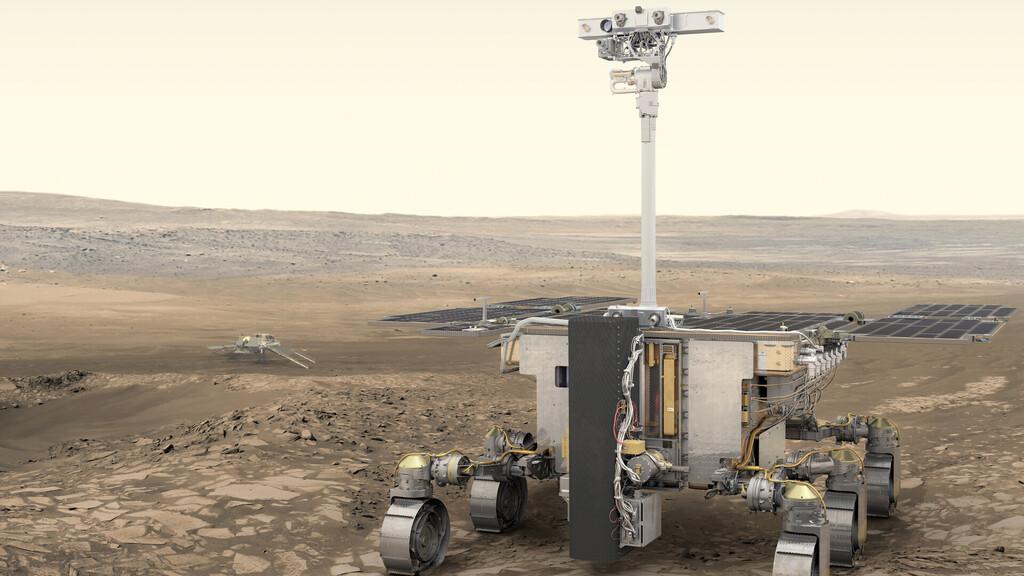
The ExoMars mission, aiming to explore Mars for signs of past or present life, has faced numerous hurdles since its inception. Named after pioneering scientist Rosalind Franklin, the rover's journey has been rocky. Originally scheduled for 2020, delays caused by technical problems and the COVID-19 pandemic pushed its launch back multiple times. The breakup with Roscosmos, following Russia's invasion of Ukraine, further complicated the project.
Despite these setbacks, recent developments have brought new hope. The European Space Agency (ESA) announced that the mission is now scheduled for 2028, with significant support from NASA. This collaboration includes hardware and services like the launch vehicle and components for the rover's landing platform.
The chosen launch system is SpaceX's Falcon Heavy, departing from Kennedy Space Center in Florida. The mission consists of two parts: the Trace Gas Orbiter, which has been orbiting Mars since 2016, and the Rosalind Franklin rover, which will land on the planet to drill into its surface and search for signs of life. It will be the first rover capable of deep drilling, surpassing previous lander-based instruments that couldn't move around to study the planet extensively.
The road to this point was not smooth. Technical issues, the pandemic, and geopolitical tensions caused multiple delays. The suspension of cooperation with Roscosmos meant replacing Russian instruments and seeking new partnerships. The recent agreement with NASA marks a crucial step forward. Although the launch is still a few years away, the scientific community is optimistic that in 2028, Rosalind Franklin will make history on Mars.
The ExoMars mission aims to explore Mars for signs of past or present life, and now, with international support, it is back on track for its 2028 launch.
Article topics
Related articles

Humanoid Robot Pemba Climbs Chimborazo, Sets Sights on Everest Summit
The humanoid robot Pemba, an adaptation of the Unitree G1, recently ascended over 6,000 meters on Chimborazo and now aims to conquer Mount Everest. This technological feat paves the way for new forms of exploration in extreme environments.
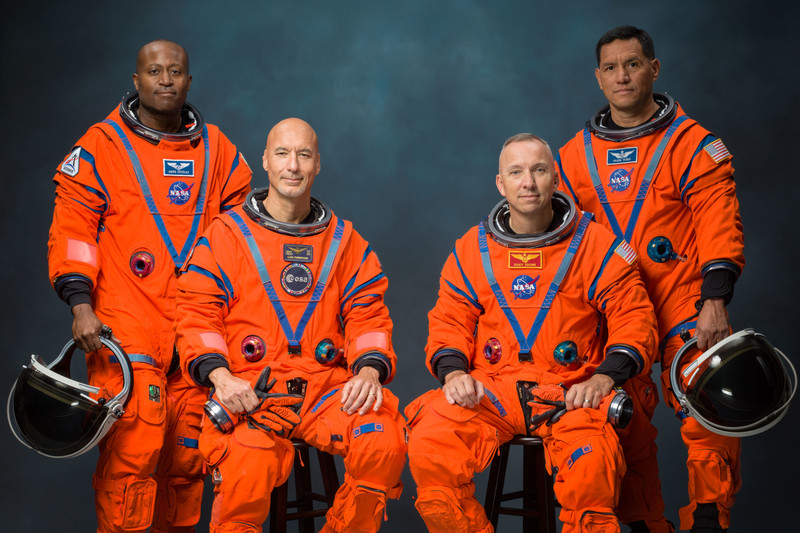
Artemis III Progresses to Moon with Crucial Challenges and Mars Ambitions
NASA's Artemis III mission aims for a sustained human presence on the Moon, navigating delays in space suit development and technical hurdles with partners SpaceX and Blue Origin.

Stanford's STEHM Model Optimizes Search for Habitable Exoplanets
Stanford University introduces STEHM, a new tool that filters exoplanets based on their ability to maintain stable atmospheres, a key condition for life.
Latest news
View all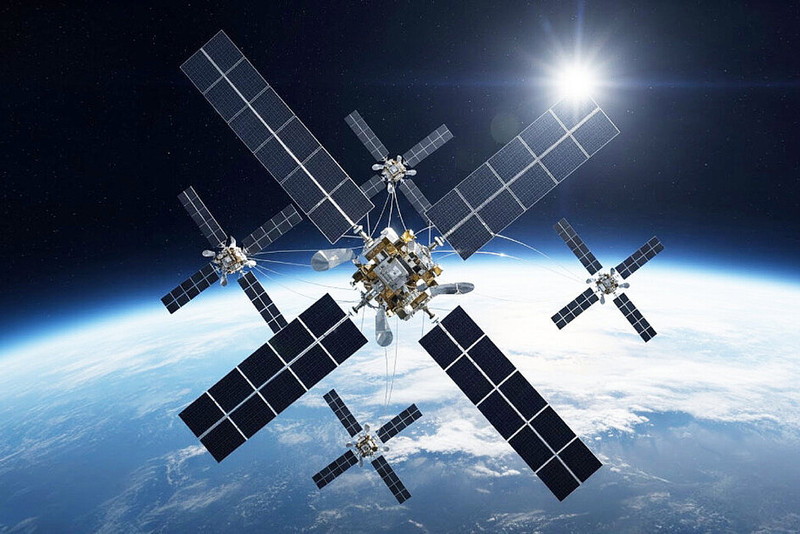
Elon Musk Plans Space Data Centers to Ease AI Energy Crisis
The escalating energy demand for artificial intelligence and terrestrial data centers is driving SpaceX to explore space-based solutions, with Starship being key to economic viability.

US Government Suspends Access to Anthropic's Fable 5 and Mythos 5 AI Models
A national security directive forces Anthropic to disable its advanced AI models, Fable 5 and Mythos 5, for all customers starting June 12, 2026.

Google Launches Gemini 3.5 Live Translate for Instant Voice Translation
Google expands real-time translation availability with Gemini 3.5 Live Translate, offering lower latency and support for over 70 languages.
Comments (0)
No comments yet. Be the first!
Leave a comment