
Record Metal Concentration Discovered in Mars Crater Gale
A new international study uncovers unprecedented levels of iron, manganese, and zinc in a rock layer of Gale Crater, hinting at past habitable conditions.
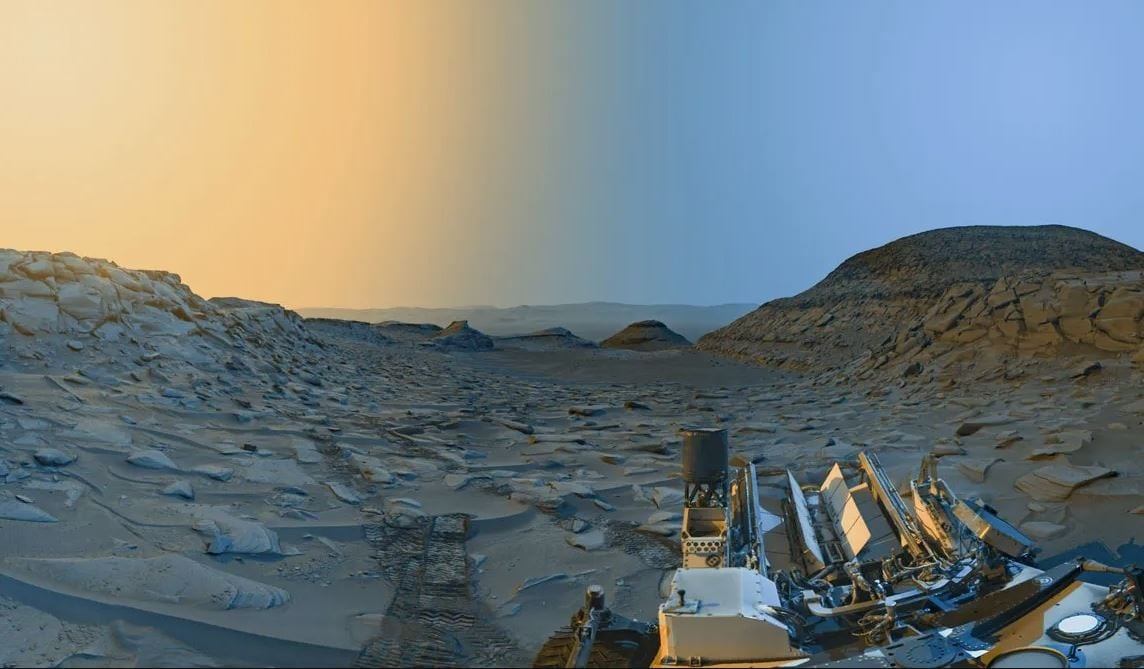
A team of scientists led by the Los Alamos National Laboratory uncovered an unprecedented concentration of metals on Mars, thanks to data from NASA's Curiosity rover. The discovery took place in a thin rock layer called the Amapari Marker Band, located within Gale Crater, where record levels of iron, manganese, and zinc were detected.
These metals, found in amounts far exceeding previous Martian samples, were identified in a 50-centimeter-thick layer using Curiosity's ChemCam and APXS instruments. Their presence suggests that the area may have experienced chemical conditions similar to Earth environments where microbial life thrives.
The shape of the rocks and their morphology imply that a shallow lake existed there millions of years ago. Fossilized ripples, which only form in liquid water and wind, confirm past water activity on the surface. Over time, water levels rose, depositing thicker sediments that extended over 80 kilometers and reached depths of up to 1.5 kilometers in some regions.
This discovery is particularly significant because of the role these metals play in biological processes on Earth. Iron and manganese are involved in energy production for microorganisms, and their enrichment indicates chemical gradients often associated with microbial activity. However, the absence of other biogenic elements like phosphorus or copper suggests that the metal buildup was primarily chemical, not biological.
Geochemical models propose that underground water may have dissolved these metals, aiding their deposition in the rocks. This finding raises new questions about Mars's chemical history and its potential past habitability, emphasizing the importance of continued exploration of its ancient environments.
The presence of these metals in high concentrations indicates that in the past, that region may have had chemical conditions similar to environments on Earth where microbial life exists.
Article topics
Related articles

Humanoid Robot Pemba Climbs Chimborazo, Sets Sights on Everest Summit
The humanoid robot Pemba, an adaptation of the Unitree G1, recently ascended over 6,000 meters on Chimborazo and now aims to conquer Mount Everest. This technological feat paves the way for new forms of exploration in extreme environments.
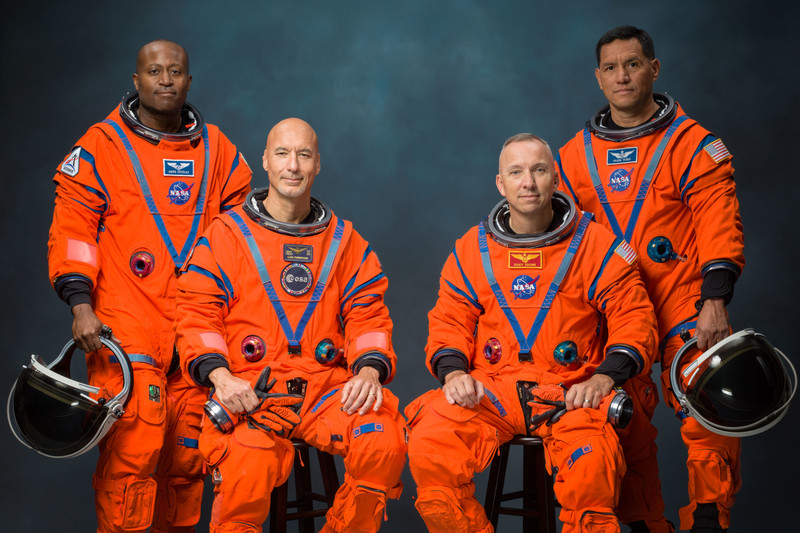
Artemis III Progresses to Moon with Crucial Challenges and Mars Ambitions
NASA's Artemis III mission aims for a sustained human presence on the Moon, navigating delays in space suit development and technical hurdles with partners SpaceX and Blue Origin.
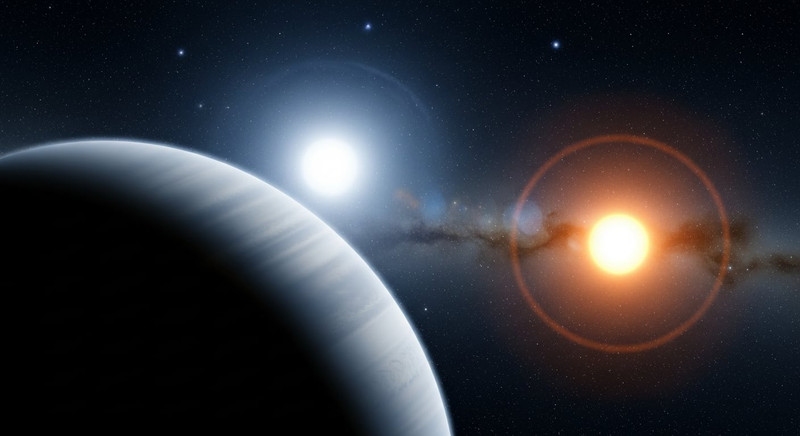
Stanford's STEHM Model Optimizes Search for Habitable Exoplanets
Stanford University introduces STEHM, a new tool that filters exoplanets based on their ability to maintain stable atmospheres, a key condition for life.
Latest news
View all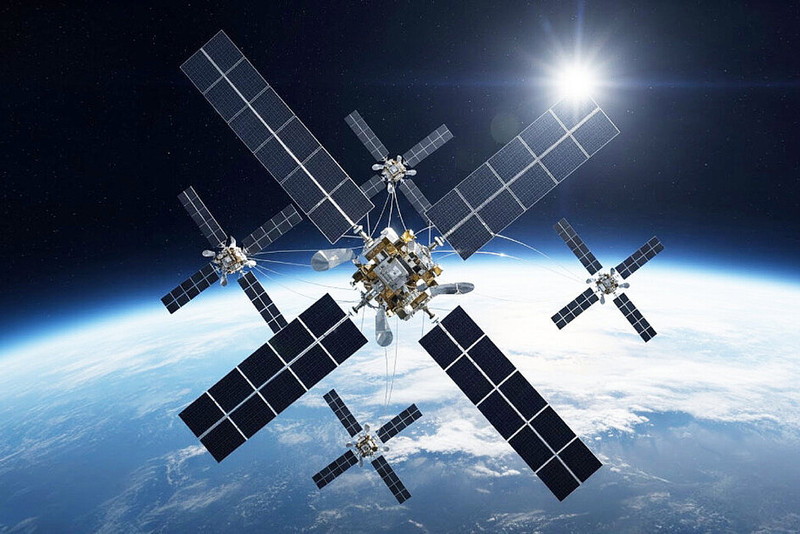
Elon Musk Plans Space Data Centers to Ease AI Energy Crisis
The escalating energy demand for artificial intelligence and terrestrial data centers is driving SpaceX to explore space-based solutions, with Starship being key to economic viability.

US Government Suspends Access to Anthropic's Fable 5 and Mythos 5 AI Models
A national security directive forces Anthropic to disable its advanced AI models, Fable 5 and Mythos 5, for all customers starting June 12, 2026.

Google Launches Gemini 3.5 Live Translate for Instant Voice Translation
Google expands real-time translation availability with Gemini 3.5 Live Translate, offering lower latency and support for over 70 languages.
Comments (0)
No comments yet. Be the first!
Leave a comment