
Mathematics Does Not Define the World, We Define It With Math
Recent philosophical insights challenge the idea that math shapes reality. Instead, we use math to describe what already exists.
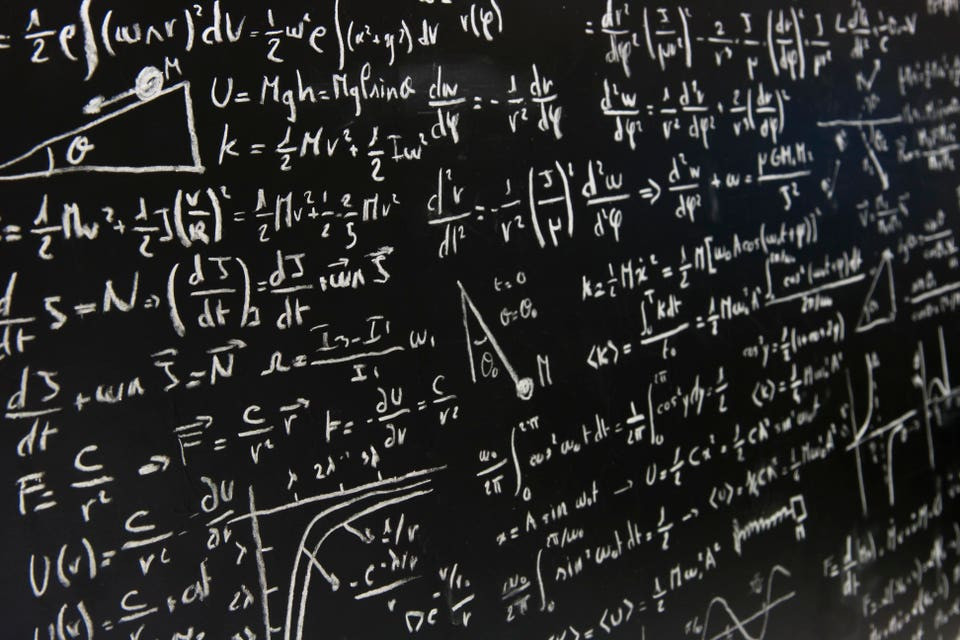
For centuries, mathematics has been seen as the ultimate tool for understanding the universe. However, new philosophical debates question this notion. Math does not determine how the world is; rather, we shape it through our definitions and concepts.
This shift in perspective suggests that math is a language we use to describe reality, but it does not create it. Reality exists independently, and math merely models it based on our needs and agreements.
A key idea is that mathematics is a human construct, born from our creativity and logic. The scientific and philosophical communities debate whether mathematical structures are discoveries or inventions, but what’s clear is that they serve as tools to understand, not as absolute truths.
This viewpoint also impacts fields like theoretical physics and artificial intelligence. It reminds us that mathematical tools are instruments, not ultimate truths, and that reality may be far more complex than any model we develop.
Ultimately, recognizing that math does not define the world, but rather that we define it through math, opens new ways of thinking about science, technology, and our relationship with nature. It encourages us to see knowledge as a human construction.
Mathematics is a language we use to describe reality, but it does not create it.
This perspective helps us value creativity and interpretation in science, rather than viewing it solely as a search for absolute truths.
Article topics
Related articles

Humanoid Robot Pemba Climbs Chimborazo, Sets Sights on Everest Summit
The humanoid robot Pemba, an adaptation of the Unitree G1, recently ascended over 6,000 meters on Chimborazo and now aims to conquer Mount Everest. This technological feat paves the way for new forms of exploration in extreme environments.
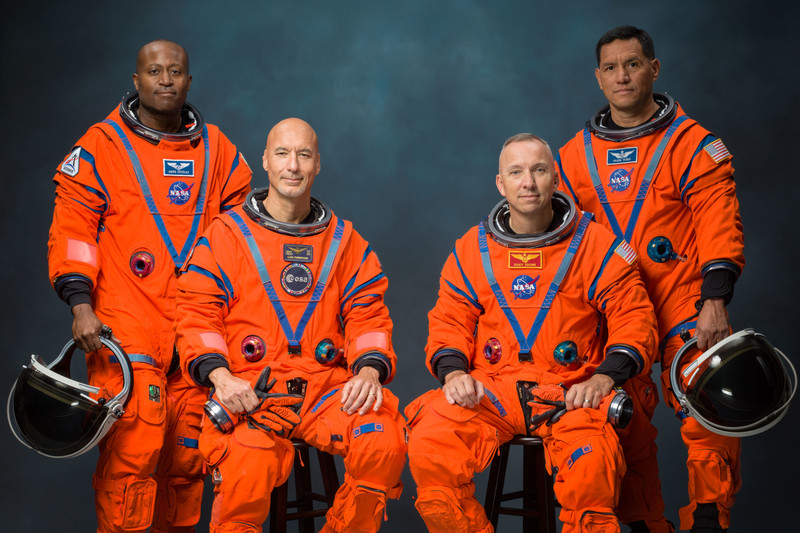
Artemis III Progresses to Moon with Crucial Challenges and Mars Ambitions
NASA's Artemis III mission aims for a sustained human presence on the Moon, navigating delays in space suit development and technical hurdles with partners SpaceX and Blue Origin.
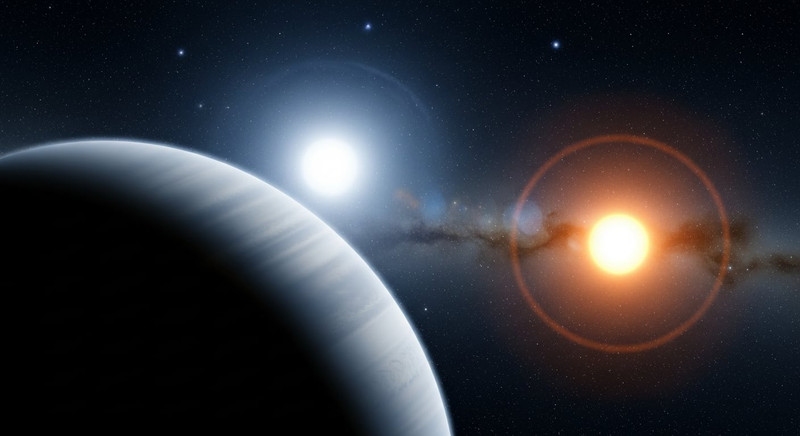
Stanford's STEHM Model Optimizes Search for Habitable Exoplanets
Stanford University introduces STEHM, a new tool that filters exoplanets based on their ability to maintain stable atmospheres, a key condition for life.
Latest news
View all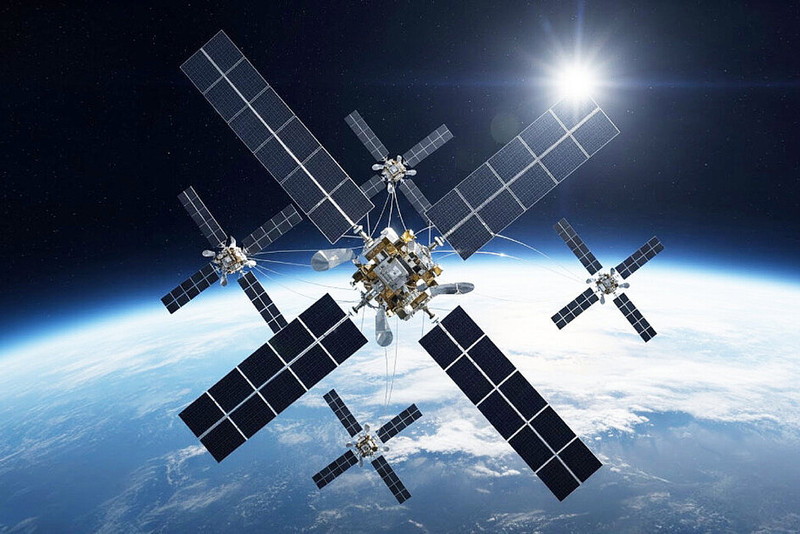
Elon Musk Plans Space Data Centers to Ease AI Energy Crisis
The escalating energy demand for artificial intelligence and terrestrial data centers is driving SpaceX to explore space-based solutions, with Starship being key to economic viability.

US Government Suspends Access to Anthropic's Fable 5 and Mythos 5 AI Models
A national security directive forces Anthropic to disable its advanced AI models, Fable 5 and Mythos 5, for all customers starting June 12, 2026.
Google Launches Gemini 3.5 Live Translate for Instant Voice Translation
Google expands real-time translation availability with Gemini 3.5 Live Translate, offering lower latency and support for over 70 languages.
Comments (0)
No comments yet. Be the first!
Leave a comment