
Google marks Earth Day with a vibrant doodle celebrating biodiversity
On April 22, Google honored Earth Day with an animated doodle highlighting ecosystems from around the world to raise awareness.
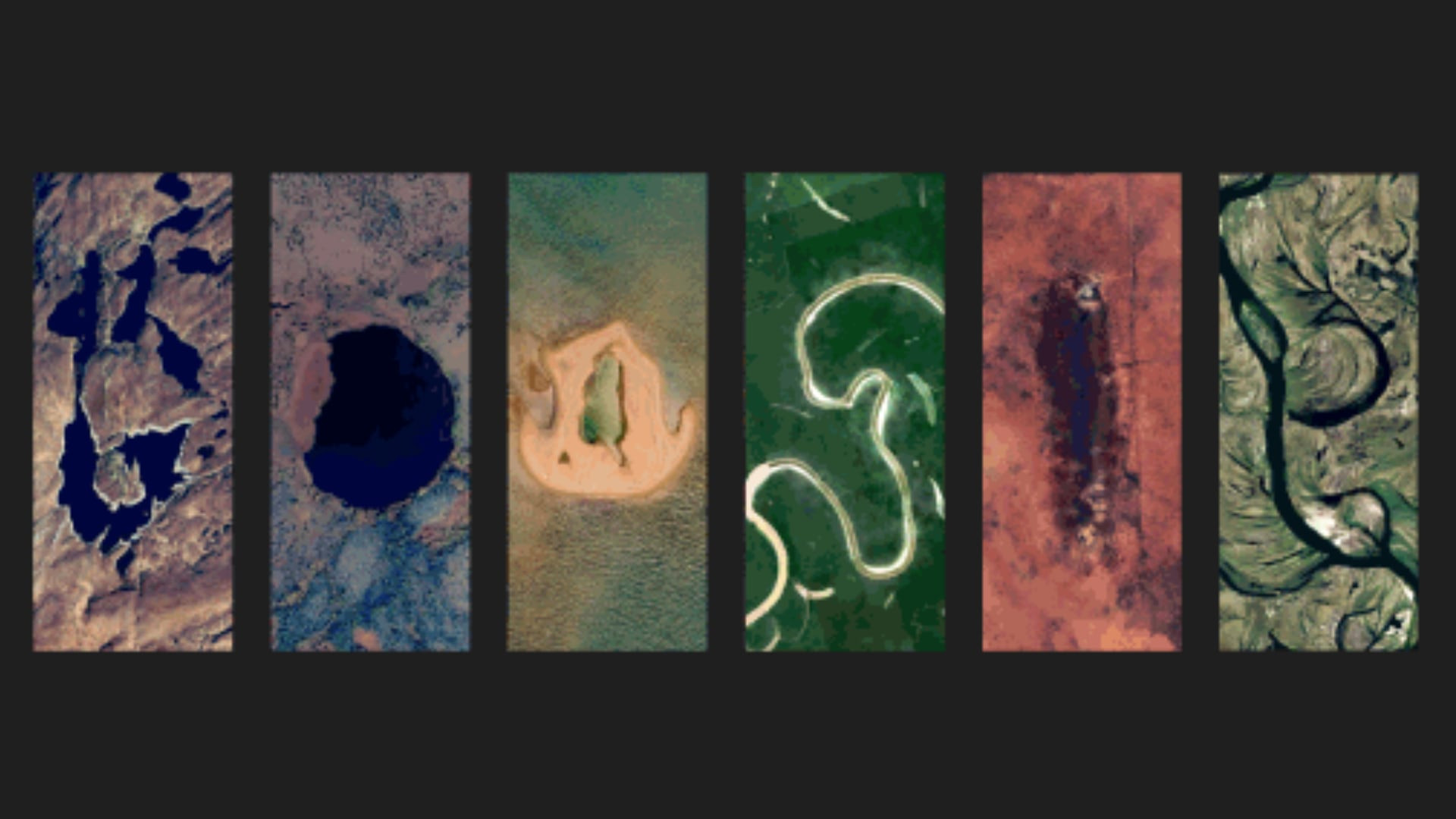
On April 22, Google celebrated Earth Day with a special doodle on its homepage. The illustration features an animated composition based on real images of various global ecosystems, aiming to raise awareness about environmental protection.
The design uses images from Google Earth to form each letter of the logo, representing different regions of the world. Each character showcases landscapes and natural wonders that highlight the planet’s geographic diversity, including locations in the UK, Canada, Argentina, Papua, Senegal, and Indonesia. This way, the doodle spans continents like Europe, North and South America, Oceania, Africa, and Asia, sending a message of unity and planetary care.
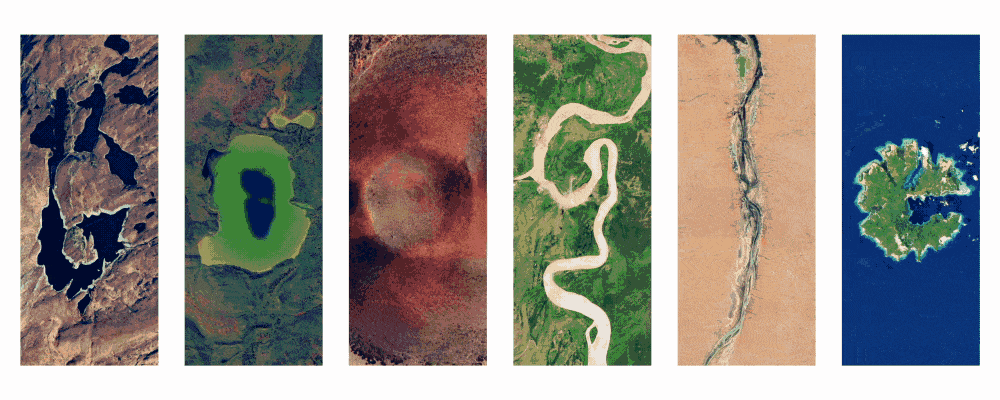
Through this initiative, Google continues its tradition of using doodles to highlight significant dates and promote global messages. In this case, the focus is on sustainability and the urgent need to preserve ecosystems amid climate change and environmental degradation.
Earth Day was officially established in 2009 by the United Nations, although its origins date back to 1970, driven by U.S. senator Gaylord Nelson. The celebration aims to raise awareness about issues like pollution, biodiversity loss, and human impact on the planet.
Since its first observance, Earth Day became a turning point for the global environmental movement. In 1972, the UN Conference on the Human Environment laid the groundwork for greater international cooperation on environmental protection.
Today, the date serves as a platform to promote sustainable actions and reflect on how human activities affect nature. Google’s doodles, which started in 1998, have evolved from simple logo modifications to interactive experiences engaging communities on environmental topics.
Article topics
Related articles

Humanoid Robot Pemba Climbs Chimborazo, Sets Sights on Everest Summit
The humanoid robot Pemba, an adaptation of the Unitree G1, recently ascended over 6,000 meters on Chimborazo and now aims to conquer Mount Everest. This technological feat paves the way for new forms of exploration in extreme environments.
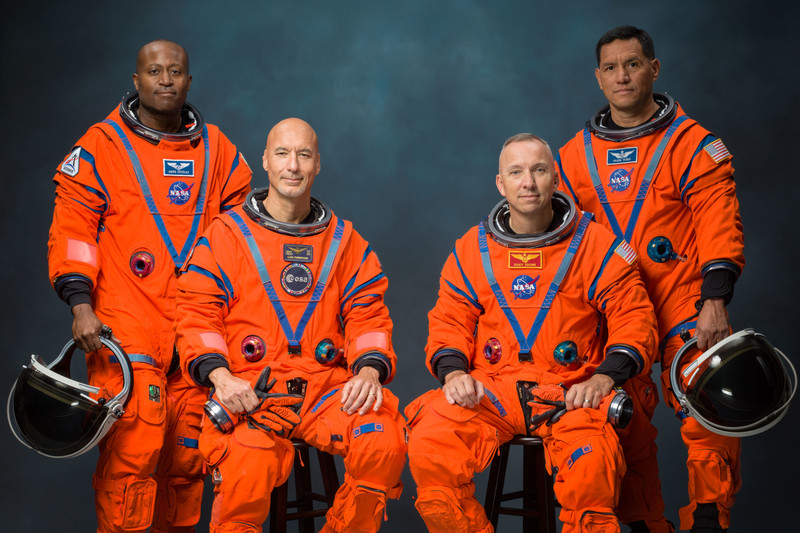
Artemis III Progresses to Moon with Crucial Challenges and Mars Ambitions
NASA's Artemis III mission aims for a sustained human presence on the Moon, navigating delays in space suit development and technical hurdles with partners SpaceX and Blue Origin.

Sung Kang Unveils "Drifter," His Directorial Debut
The "Fast & Furious" actor not only directs and writes the film but also stars in this story of overcoming challenges within the drifting world.
Latest news
View all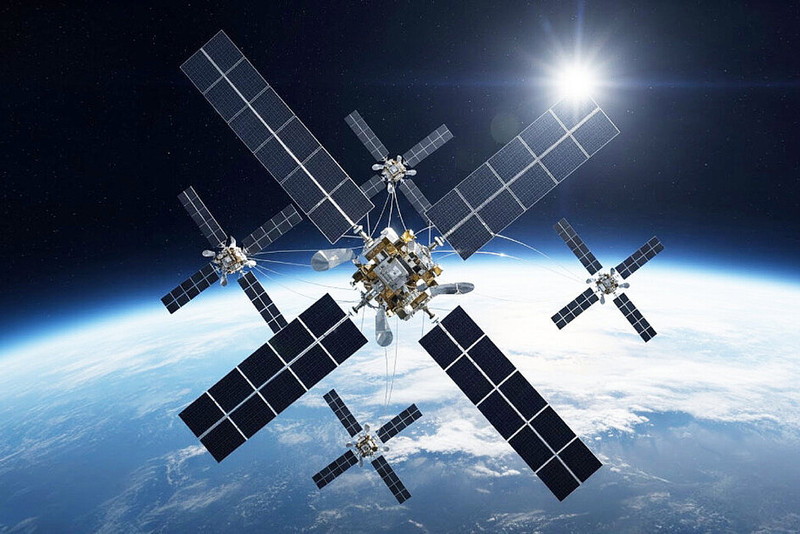
Elon Musk Plans Space Data Centers to Ease AI Energy Crisis
The escalating energy demand for artificial intelligence and terrestrial data centers is driving SpaceX to explore space-based solutions, with Starship being key to economic viability.
US Government Suspends Access to Anthropic's Fable 5 and Mythos 5 AI Models
A national security directive forces Anthropic to disable its advanced AI models, Fable 5 and Mythos 5, for all customers starting June 12, 2026.
Google Launches Gemini 3.5 Live Translate for Instant Voice Translation
Google expands real-time translation availability with Gemini 3.5 Live Translate, offering lower latency and support for over 70 languages.
Comments (0)
No comments yet. Be the first!
Leave a comment