
Comet Pan-STARRS: Your Guide to Seeing It Near the Moon on April 13
Comet C/2025 R3 (Pan-STARRS) offers a unique viewing opportunity before sunrise. Its proximity to the crescent moon makes it easier to locate.

Comet Pan-STARRS, officially known as C/2025 R3 (Pan-STARRS), is now visible in the predawn sky. On Monday, April 13, its path will bring it close to a crescent moon. This celestial alignment presents an ideal opportunity for observation. Here are the details to help you find it.
Observing one of these icy bodies is always a fascinating experience.
Comets are cosmic travelers that offer us unique celestial shows. Observing one of these icy bodies is always a fascinating experience. Pan-STARRS joins the list of these visitors, providing our audience with a chance to connect with the universe.
The key to finding Pan-STARRS this Monday will be the moon. Just before sunrise, the thin crescent moon will act as a natural guide. You should look for it on the eastern horizon. The comet will appear very close to it, making its identification among the stars much easier.
For the best view, finding a dark location is essential. Move away from the light pollution of cities. Binoculars or a small telescope will significantly enhance the experience. However, with clear skies, you might be able to see it with the naked eye as a diffuse smudge.
Remember that patience is your best ally. Wake up early to take advantage of the minutes before the sun rises. This event is an excellent excuse to enjoy the tranquility of dawn and the majesty of the cosmos. Do not miss this opportunity to witness an astronomical phenomenon!
Article topics
Related articles

Humanoid Robot Pemba Climbs Chimborazo, Sets Sights on Everest Summit
The humanoid robot Pemba, an adaptation of the Unitree G1, recently ascended over 6,000 meters on Chimborazo and now aims to conquer Mount Everest. This technological feat paves the way for new forms of exploration in extreme environments.

Artemis III Progresses to Moon with Crucial Challenges and Mars Ambitions
NASA's Artemis III mission aims for a sustained human presence on the Moon, navigating delays in space suit development and technical hurdles with partners SpaceX and Blue Origin.
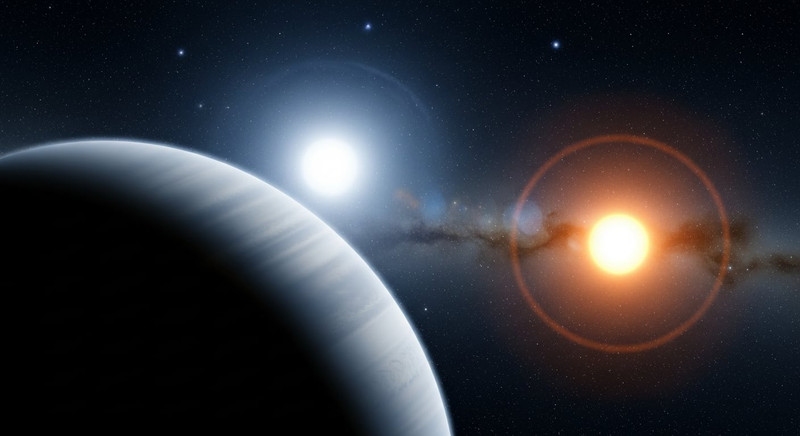
Stanford's STEHM Model Optimizes Search for Habitable Exoplanets
Stanford University introduces STEHM, a new tool that filters exoplanets based on their ability to maintain stable atmospheres, a key condition for life.
Latest news
View all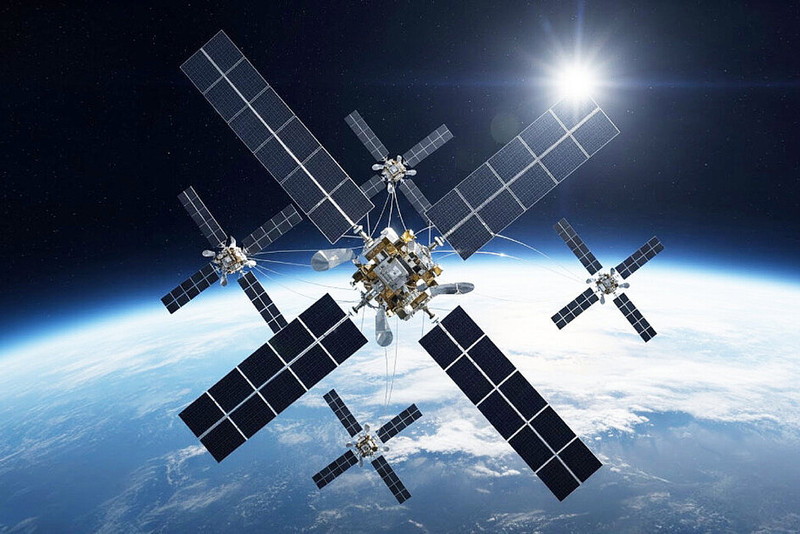
Elon Musk Plans Space Data Centers to Ease AI Energy Crisis
The escalating energy demand for artificial intelligence and terrestrial data centers is driving SpaceX to explore space-based solutions, with Starship being key to economic viability.

US Government Suspends Access to Anthropic's Fable 5 and Mythos 5 AI Models
A national security directive forces Anthropic to disable its advanced AI models, Fable 5 and Mythos 5, for all customers starting June 12, 2026.

Google Launches Gemini 3.5 Live Translate for Instant Voice Translation
Google expands real-time translation availability with Gemini 3.5 Live Translate, offering lower latency and support for over 70 languages.
Comments (0)
No comments yet. Be the first!
Leave a comment