
Comet Pan-STARRS: A Unique Chance to Observe the Cosmic Wanderer
Comet C/2025 R3 (Pan-STARRS) reached its perihelion, offering a spectacular view from the Northern Hemisphere. April 20 marked the best viewing opportunity.

Comet Pan-STARRS, officially designated C/2025 R3 (Pan-STARRS), recently made its closest approach to the Sun. This significant astronomical event offered a prime viewing opportunity for observers in the Northern Hemisphere. Monday, April 20, marked the best chance to spot the comet, potentially alongside meteor showers. This perihelion passage is vital for understanding the comet's trajectory and composition.
Comets are cosmic wanderers, primarily composed of ice, dust, and rock. As they near the Sun, solar heat causes these materials to sublimate, creating a glowing atmosphere called a coma and often a spectacular tail. Pan-STARRS exemplifies these fascinating celestial phenomena. Its perihelion, the closest point to the Sun, is a critical milestone in its orbital journey.
This perihelion passage is vital for understanding the comet's trajectory and composition.
For astronomy enthusiasts across the Northern Hemisphere, Pan-STARRS' visibility was a true spectacle. While Monday, April 20, offered peak viewing, the comet maintained its brightness for several days. Observing these distant objects requires dark skies and considerable patience. Binoculars or small telescopes often enhance the viewing experience significantly.
Every comet visiting our inner solar system provides invaluable scientific data. Researchers analyze their composition to better understand the primordial conditions of our solar system. Pan-STARRS, like other comets, acts as a cosmic "time capsule". Its passage serves as a powerful reminder of the universe's vastness and dynamic nature.
Comet observation remains one of the most rewarding experiences for the geek community. It connects us directly with science and space exploration in a tangible way. Staying alert for these events allows us to participate in astronomical discoveries. There is always something incredible unfolding in the cosmos!
Article topics
Related articles

Humanoid Robot Pemba Climbs Chimborazo, Sets Sights on Everest Summit
The humanoid robot Pemba, an adaptation of the Unitree G1, recently ascended over 6,000 meters on Chimborazo and now aims to conquer Mount Everest. This technological feat paves the way for new forms of exploration in extreme environments.

Artemis III Progresses to Moon with Crucial Challenges and Mars Ambitions
NASA's Artemis III mission aims for a sustained human presence on the Moon, navigating delays in space suit development and technical hurdles with partners SpaceX and Blue Origin.
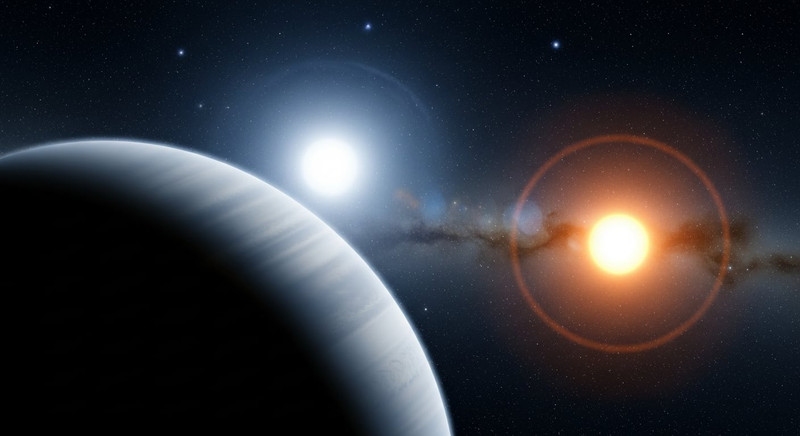
Stanford's STEHM Model Optimizes Search for Habitable Exoplanets
Stanford University introduces STEHM, a new tool that filters exoplanets based on their ability to maintain stable atmospheres, a key condition for life.
Latest news
View all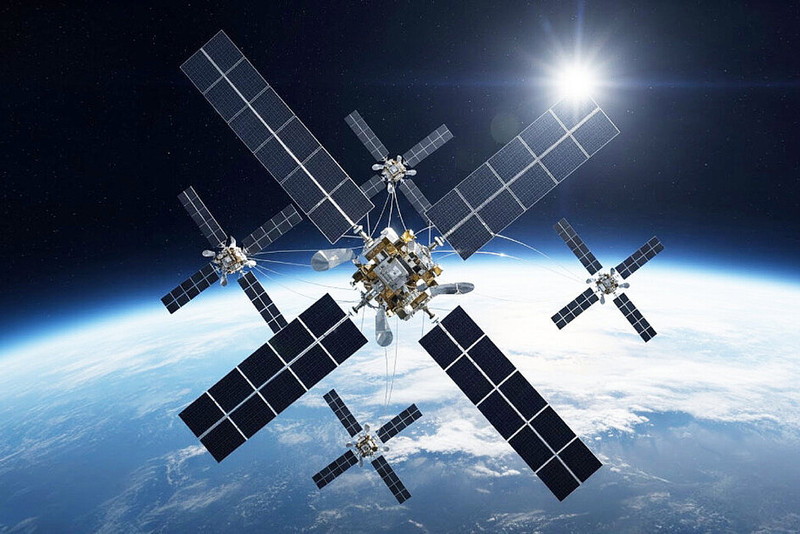
Elon Musk Plans Space Data Centers to Ease AI Energy Crisis
The escalating energy demand for artificial intelligence and terrestrial data centers is driving SpaceX to explore space-based solutions, with Starship being key to economic viability.

US Government Suspends Access to Anthropic's Fable 5 and Mythos 5 AI Models
A national security directive forces Anthropic to disable its advanced AI models, Fable 5 and Mythos 5, for all customers starting June 12, 2026.

Google Launches Gemini 3.5 Live Translate for Instant Voice Translation
Google expands real-time translation availability with Gemini 3.5 Live Translate, offering lower latency and support for over 70 languages.
Comments (0)
No comments yet. Be the first!
Leave a comment