
Andrew McCarthy Captures Boeing 737 Transiting Sun After 1.7 Million Photos
Astrophotographer Andrew McCarthy waited six days to achieve a unique shot of an airplane crossing the Sun, highlighting patience in his field.


Six days and 1.7 million photos later, astrophotographer Andrew McCarthy achieved his latest masterpiece: a Boeing 737 transiting the Sun. This stunning image, which McCarthy named "The Traveler", stands as a testament to the immense dedication required in high-precision astrophotography.
McCarthy shared that while he had previously captured many planes in front of the Sun by sheer chance, none of those earlier attempts met his rigorous standards. Those photos often suffered from soft focus, motion blur, awkward composition, and low resolution, as his primary intention was always to photograph the Sun itself, not the aircraft.
The challenge for this specific goal was considerable. Unlike celestial objects such as the International Space Station (ISS), whose flight paths can be precisely forecasted for planned captures, airplanes follow far less predictable routes. This meant McCarthy couldn't simply wait for the perfect moment; he had to create it through sheer persistence.
To overcome this unpredictability, McCarthy set up two telescopes, both meticulously aimed at the Sun. These setups were configured to capture an astonishing 10 photos per second, a rapid pace he maintained for six entire days, accumulating that staggering total of 1.7 million images.
His perseverance paid off when a United Airlines Boeing 737, on its route from Houston to Los Angeles, finally crossed the solar disk. McCarthy successfully caught the fleeting moment with both telescopes, enabling him to create a high-resolution photograph. He considers it "one of the best" of his career and even had the unique opportunity to show the final image to the actual flight crew who were onboard at the time.
As an unexpected bonus, McCarthy also captured two floating solar prominences. He described these formations as "fluffy bits floating separately from the Sun." One was a fleeting event, part of a small coronal mass ejection, while the other lingered visibly throughout the day.
Capturing these prominences is a rare occurrence for the astrophotographer, and even more exceptional was seeing two in a single session. These colossal plasma structures can stretch for hundreds of thousands of miles, a distance roughly equivalent to that between Earth and the Moon, adding another layer of awe to the already incredible airplane transit.
Last year, McCarthy had already garnered global attention with another meticulously planned shot: a skydiver falling in front of the Sun. His consistent work showcases a unique ability to blend astronomical science with an artistic vision.
Andrew McCarthy's extraordinary dedication highlights how blending advanced astronomical equipment with sheer perseverance can yield truly unique and breathtaking glimpses of our universe, revealing both planned and serendipitous wonders.
Keep reading online — scan the code
https://go.tricuatro.com/andrew-m
© tricuatro.com
Article topics
Related articles
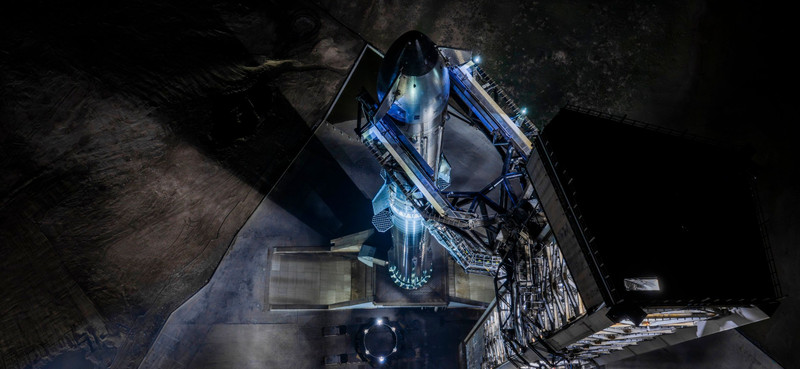
SpaceX Scrubs Starship Test Flight in South Texas
Computer systems detected an anomaly during the Super Heavy booster's engine startup sequence, forcing the mission's abort.
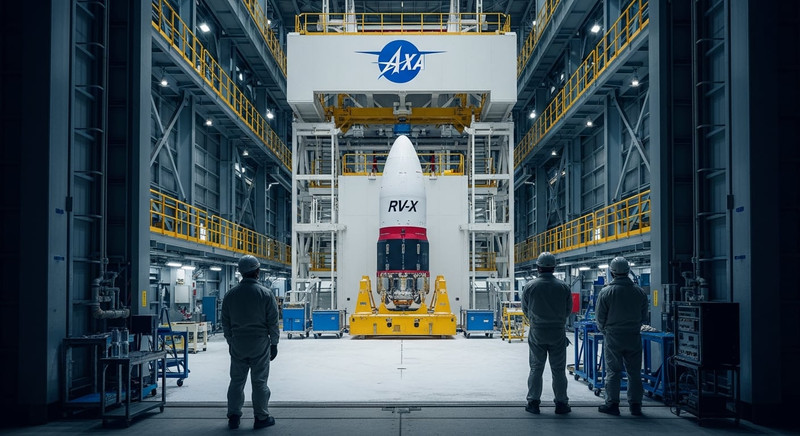
JAXA's RV-X Reusable Rocket Successfully Completes First Flight
Japan's space agency JAXA successfully tested its RV-X prototype, a critical step towards reducing costs and boosting competitiveness in the global space market.
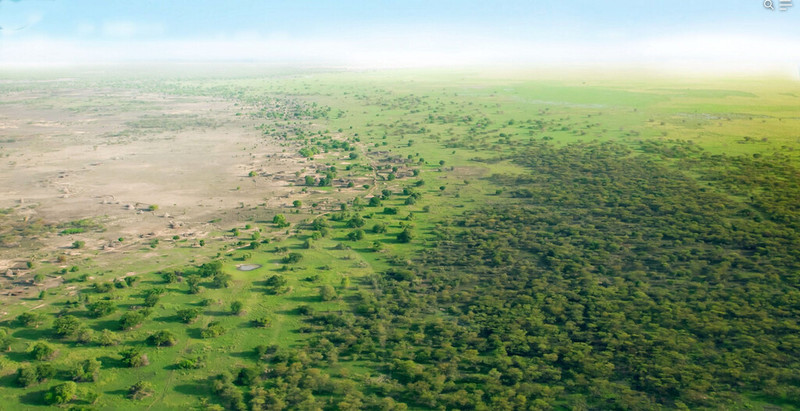
China's Great Green Wall: Artificial Forests Outpace Natural Growth
China planted 66 billion trees over nearly half a century to combat desertification, and a new study shows they grow faster than natural forests, albeit with important nuances.
Latest news
View all
MIT Chip Converts Invisible Infrared Light into Crucial Data
MIT researchers developed an innovative chip detecting methane and propane using mid-infrared light, with potential for millions of pixels and optical computing.
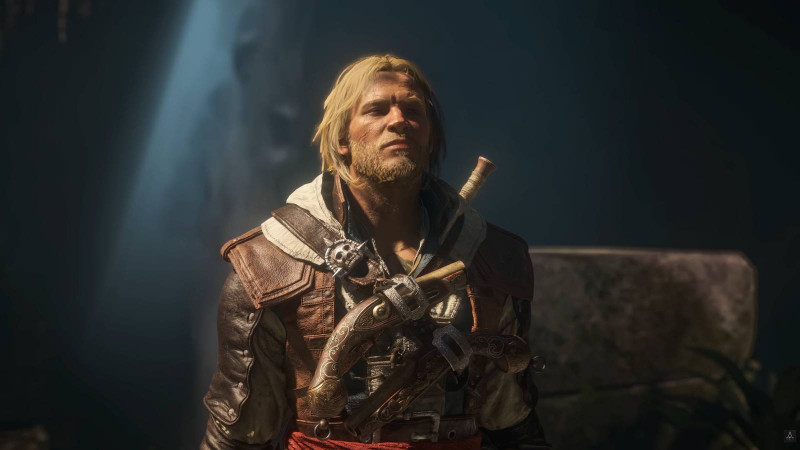
Assassin's Creed Black Flag Resynced Smashes 3 Million Sales, New Game Plus Announced
Ubisoft's successful re-release of the pirate classic continues to break records, confirming one of the most requested features from the gaming community.

TikTok tests AI tool to protect creators from deepfakes
The video platform is rolling out an opt-in feature allowing users to verify their identity and report unauthorized AI-generated likenesses.
Comments (0)
No comments yet. Be the first!
Only registered readers can comment.