
TikTok tests AI tool to protect creators from deepfakes
The video platform is rolling out an opt-in feature allowing users to verify their identity and report unauthorized AI-generated likenesses.

If you're a content creator on TikTok, the platform has just rolled out a crucial tool designed to safeguard your digital identity. TikTok is testing a new AI likeness detection tool, enabling creators to scan for and report unauthorized deepfakes of themselves.
This initiative, first spotted by social media consultant Matt Navarra, aims to give users more control over their digital presence. The opt-in feature, currently in its testing phase with "some" US creators, represents a significant step in combating the misuse of artificial intelligence.
To utilize this protection, participating creators must first verify their identity. This process is handled through a third-party company called Jumio, requiring a real-time selfie scan and an ID check.
Regarding personal data retention, Zachary Kizer, a TikTok US spokesperson, clarified the platform's strict policies. "TikTok does not retain ID documents, and facial information is used only for likeness matching and to help identify potential unauthorized uses of a creator’s likeness," Kizer stated.
"TikTok does not retain ID documents, and facial information is used only for likeness matching and to help identify potential unauthorized uses of a creator’s likeness," said Zachary Kizer, TikTok US spokesperson.
Once identity verification is complete, TikTok's system actively scans for AI-generated content that might be using the creator's likeness. This proactive approach helps in the early detection of potential deepfakes or non-consensual uses.
Creators then have the ability to review TikTok's findings and, if unauthorized content is identified, they can report the posts and accounts directly to the company. This workflow empowers users, providing a clear avenue to defend their image.
TikTok's move isn't an isolated incident in the social media landscape. Other platforms, like YouTube, have also been developing similar tools to combat AI-generated deepfakes. YouTube recently made its own likeness detection tool available to all adult users, setting a precedent in the industry.
The proliferation of AI-generated content, especially deepfakes, poses considerable challenges to personal privacy and reputation. Initiatives like TikTok's are vital for establishing ethical boundaries and ensuring responsible technology use.
Launched initially on July 17, 2026, TikTok's implementation of this tool directly addresses growing concerns about online image manipulation. The platform seeks to foster a more secure environment for its millions of creators worldwide.

Keep reading online — scan the code
https://go.tricuatro.com/tiktok-t
© tricuatro.com
Article topics
Related articles

Apple Sues OpenAI Over Alleged Hardware Trade Secret Theft
The Cupertino giant accuses former key employees, including Tang Tan, of stealing confidential hardware information for OpenAI's benefit and its expansion into consumer hardware.

Anthropic Tackles AI's Toughest Questions for a Responsible Future
The company launches an initiative to understand public concerns and transparently address the challenges of artificial intelligence development.

Meta Launches Muse Image, its Generative AI with Public Profile Access
Meta's Superintelligence Labs division introduced Muse Image, a model that creates and edits photos using text or images from public Instagram and WhatsApp profiles, marking a key step in content personalization.
Latest news
View all
The Batman II Delayed to 2028, New Teaser Freezes Us with Excitement
Warner Bros. Pictures confirmed another delay for 'The Batman' sequel, pushing its release to early 2028, but offset the wait with an intriguing, icy first look.
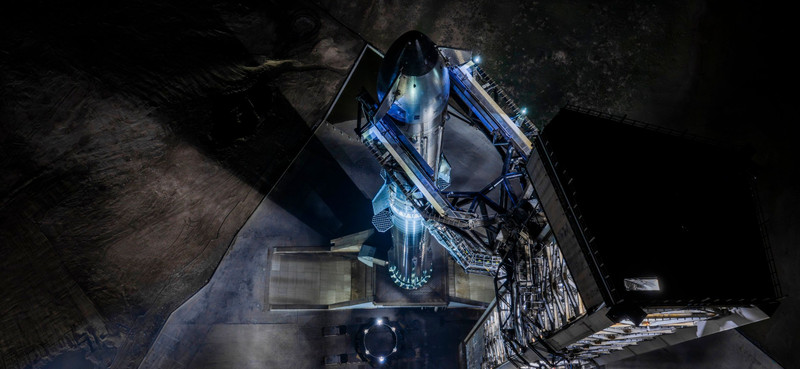
SpaceX Scrubs Starship Test Flight in South Texas
Computer systems detected an anomaly during the Super Heavy booster's engine startup sequence, forcing the mission's abort.
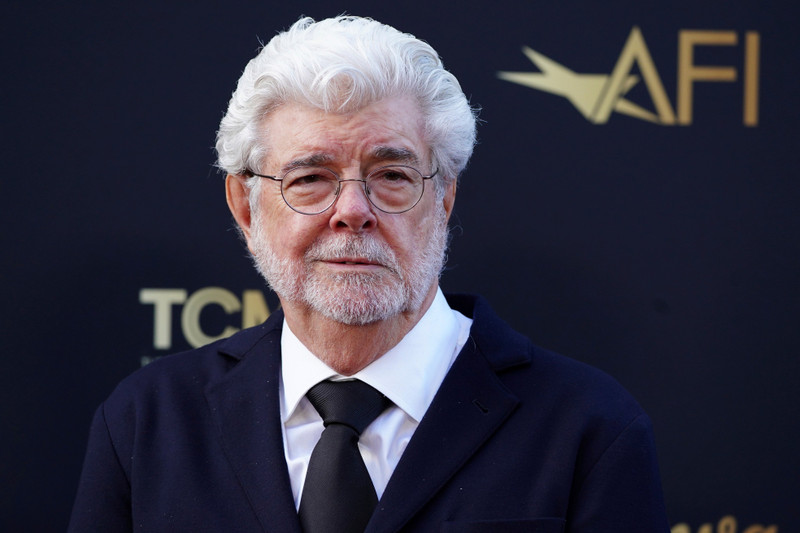
George Lucas: AI is the Future of Cinema, Focus Groups Stifle Creativity
The iconic Star Wars director champions artificial intelligence's potential for film production while criticizing studios' reliance on audience focus groups.
Comments (0)
No comments yet. Be the first!
Only registered readers can comment.