
Anthropic Tackles AI's Toughest Questions for a Responsible Future
The company launches an initiative to understand public concerns and transparently address the challenges of artificial intelligence development.


How are the most challenging questions about artificial intelligence being addressed? Anthropic, a Public Benefit Corporation, is proactively tackling the major unknowns AI presents to society, from its impact on jobs to its potential for curing diseases.
Many individuals already integrate AI into their daily lives, recognizing its capacity to simplify tasks, transform learning, and accelerate scientific and technological progress, fostering prosperity and solving significant medical and social issues.
Nevertheless, serious concerns persist. Potential job displacement, the devaluation of creative work, and the impact on human agency are recurring themes. Worries about AI's capabilities falling into the wrong hands also raise questions about whether the benefits truly outweigh the costs.
As a Public Benefit Corporation, Anthropic's mission is to secure the benefits of advanced AI models while mitigating their risks. This commitment is evident in their investments in AI safeguards and research into aligning AI with beneficial goals.
"It’s our job to address the many hard questions people have about AI," Anthropic stated, emphasizing its dedication to transparency and responsibility.
To fully grasp public concerns, Anthropic has launched a "new initiative on hard questions." They've gathered insights through various channels: the Anthropic Public Record, a survey of 52,000 Americans; the Anthropic Interviewer, which polled 81,000 Claude users across 159 countries and 70 languages; and dozens of in-person focus groups.
The company has also studied Claude's usage through anonymized, real-world data and established the Anthropic Institute, a research endeavor focused on AI's significant societal challenges. Furthermore, their Long-Term Benefit Trust, which includes figures like Ben Bernanke, provides impartial oversight of their public benefit mission's progress.
Anthropic is now explicitly inviting the community to submit their hardest questions about AI, covering its effects on jobs, society, and families, as well as its dramatic potential for science and medicine. A practical application of their technology is seen with the Government of Alberta, which has been using Claude Code with Opus and Sonnet models since 2025 to review systems, find vulnerabilities, and fix cybersecurity issues.
In response to these submissions, Anthropic pledges to publicly track and report the specific actions they are taking to address these questions, maintaining transparency even about areas where they might fall short of their stated goals. To participate and view questions from others, visit the "hard questions website" at claude.com/hard-questions.

Keep reading online — scan the code
https://go.tricuatro.com/12MhA
© tricuatro.com
Article topics
Related articles

Apple Sues OpenAI Over Alleged Hardware Trade Secret Theft
The Cupertino giant accuses former key employees, including Tang Tan, of stealing confidential hardware information for OpenAI's benefit and its expansion into consumer hardware.

Meta Launches Muse Image, its Generative AI with Public Profile Access
Meta's Superintelligence Labs division introduced Muse Image, a model that creates and edits photos using text or images from public Instagram and WhatsApp profiles, marking a key step in content personalization.

Google Photos Launches Video Remix, AI-Powered Video Editing with Gemini Omni
Google Photos today debuts Video Remix, a new feature powered by the Gemini Omni model that allows users to transform everyday videos into stylized, shareable clips without requiring editing expertise.
Latest news
View all
The Batman II Delayed to 2028, New Teaser Freezes Us with Excitement
Warner Bros. Pictures confirmed another delay for 'The Batman' sequel, pushing its release to early 2028, but offset the wait with an intriguing, icy first look.
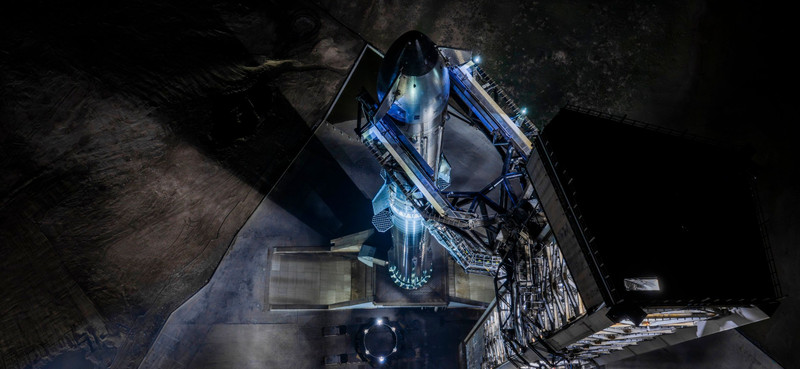
SpaceX Scrubs Starship Test Flight in South Texas
Computer systems detected an anomaly during the Super Heavy booster's engine startup sequence, forcing the mission's abort.

George Lucas: AI is the Future of Cinema, Focus Groups Stifle Creativity
The iconic Star Wars director champions artificial intelligence's potential for film production while criticizing studios' reliance on audience focus groups.
Comments (0)
No comments yet. Be the first!
Only registered readers can comment.