
George Lucas: AI is the Future of Cinema, Focus Groups Stifle Creativity
The iconic Star Wars director champions artificial intelligence's potential for film production while criticizing studios' reliance on audience focus groups.

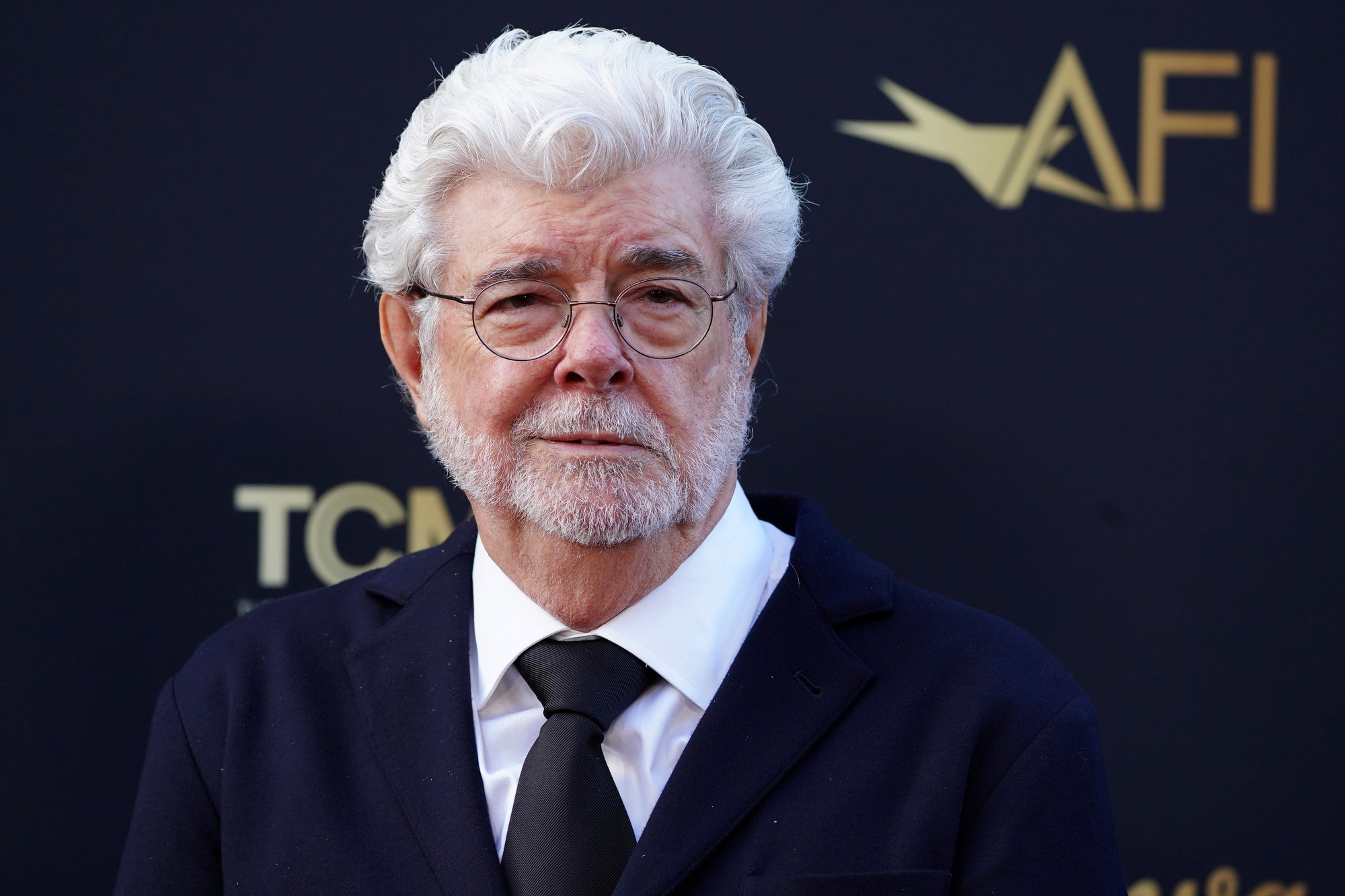
What does progress mean to a legendary filmmaker? George Lucas, the mastermind behind "Star Wars," sees artificial intelligence as the inevitable future of film production, a tool that will simplify movie creation. This vision starkly contrasts with his rejection of focus groups, which he blames for shaping films based on public expectations rather than the director's vision.
Lucas, who sold Lucasfilm to Disney in 2012 for $4 billion, explained how studios' practice of relying on focus groups and test screenings has resulted in films that, in his opinion, lack artistic authenticity. For him, this methodology prioritizes audience reactions over the passion and skill of a good storyteller.
The filmmaker minces no words in expressing his dissatisfaction with this dynamic. He believes the public doesn't always know what it wants, and a director's role is to explore those reactions, not simply to appease them. This perspective highlights the constant tension between artistic vision and commercial pressures in Hollywood.
"I don't like focus groups. The audience doesn't know what it wants to see. If they don't like a character, that's interesting, and as a filmmaker, I want to find out why. But when studios hear that, they misinterpret the message. They let the audience make the movie."
He is not the only director to face this dilemma. Maggie Gyllenhaal, for instance, recounted how test screenings for her film "The Bride!" raised questions about its treatment of violence. Similarly, James Gunn, responsible for "Superman," shared an anecdote where some test audience members objected to a scene of Superman rescuing a squirrel. Gunn, however, decided to reinstate the scene, prioritizing his creative vision.
In an interesting turn, Lucas's stance changes dramatically when it comes to artificial intelligence. He aligns himself with other filmmakers like Peter Jackson, who see AI as a powerful tool for the creative process. For Lucas, AI is not a threat, but an enabler that will make filmmaking much more accessible and efficient.
To illustrate his point, the creator of the galactic saga used a powerful analogy: he compared the arrival of AI in cinema to the transition from horse-drawn carriages to automobiles. "It's like sitting here saying, 'Well, I think the horse-drawn carriage is the best. These cars break down, they need gas, they bring all sorts of problems, and soon they'll turn them into tanks and kill people. It's terrible.' There's nothing that can be done about it. That's progress, that's the future," he stated.
Lucas acknowledges that the development of artificial intelligence carries risks, but he also emphasizes its immense potential to offer solutions. According to him, an AI can discern the truthfulness of information and its origin, a capability that, ironically, surpasses human intelligence in certain contexts. This optimistic view highlights technology's capacity to improve decision-making and authenticity.
The "Star Wars" director also stressed the importance of individual responsibility in this era of technological advancements. The development of tools like artificial intelligence does not exempt individuals from accountability for their own actions. "The idea is that you are a human being, you are responsible for what you say and what you do, and if you do something illegal, you should be punished for it. Whatever you do, you should be recognized. It's like real life," Lucas declared.
George Lucas's perspective invites us to reflect on the delicate balance between technological innovation and the preservation of creativity in the audiovisual industry. For the filmmaker, artificial intelligence presents itself as an ally that will empower creators, as long as artistic authenticity and the creator's autonomy prevail over external pressures. The lingering question is whether Hollywood will listen to its visionaries or continue to prioritize surveys.
Keep reading online — scan the code
https://go.tricuatro.com/george-l
© tricuatro.com
Article topics
Related articles
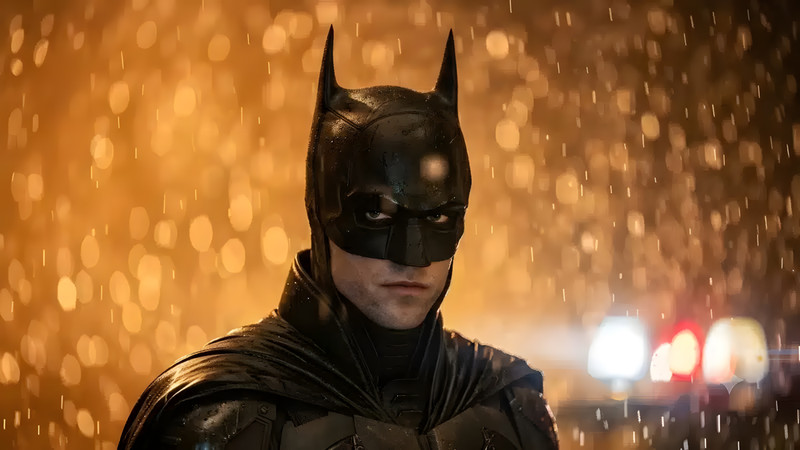
The Batman II Delayed to 2028, New Teaser Freezes Us with Excitement
Warner Bros. Pictures confirmed another delay for 'The Batman' sequel, pushing its release to early 2028, but offset the wait with an intriguing, icy first look.

Christopher Nolan Explains Modern Dialogue and Star Casting in "The Odyssey"
Acclaimed filmmaker Christopher Nolan defended his choice to use "down-to-earth and emotional" dialogue in his upcoming film "The Odyssey," aiming for a deeper audience connection.
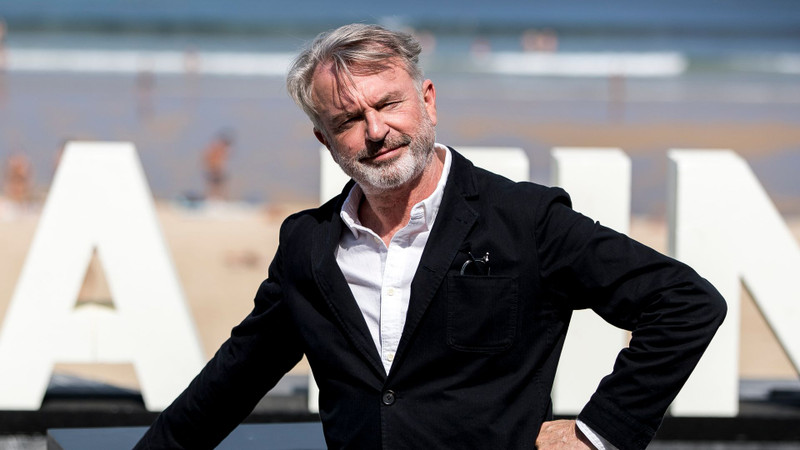
Sam Neill: A Journey Through the Career of Dr. Alan Grant and Beyond
From his early days in New Zealand to becoming a global figure with "Jurassic Park," Sam Neill built a versatile career in film and television.
Latest news
View all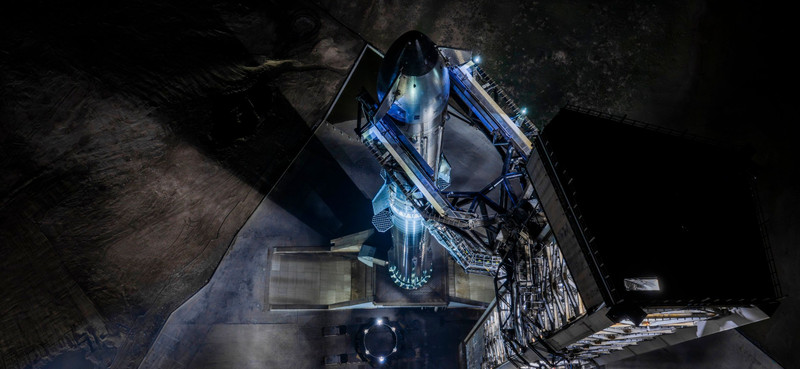
SpaceX Scrubs Starship Test Flight in South Texas
Computer systems detected an anomaly during the Super Heavy booster's engine startup sequence, forcing the mission's abort.
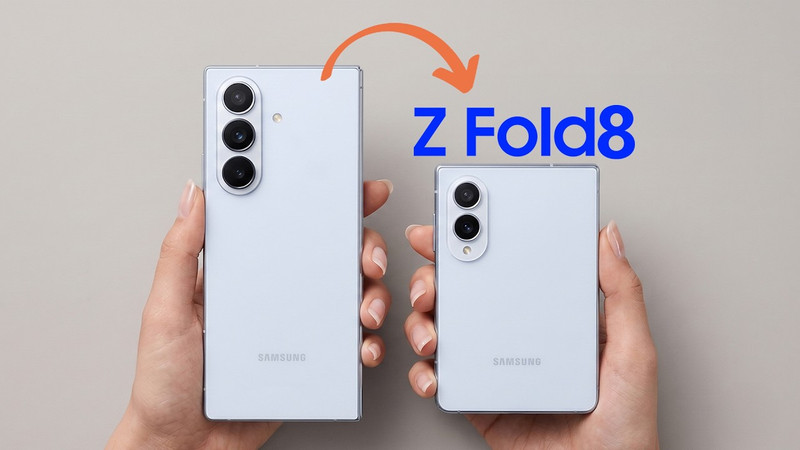
Samsung Galaxy Z Fold 8: "Passport" Design and Specs Leaked
Samsung's upcoming foldable, the Galaxy Z Fold 8, has been fully leaked, revealing a more square design and details on its displays, processor, and battery ahead of its official July launch.
Apple Sues OpenAI Over Alleged Hardware Trade Secret Theft
The Cupertino giant accuses former key employees, including Tang Tan, of stealing confidential hardware information for OpenAI's benefit and its expansion into consumer hardware.
Comments (0)
No comments yet. Be the first!
Only registered readers can comment.