
MIT Chip Converts Invisible Infrared Light into Crucial Data
MIT researchers developed an innovative chip detecting methane and propane using mid-infrared light, with potential for millions of pixels and optical computing.

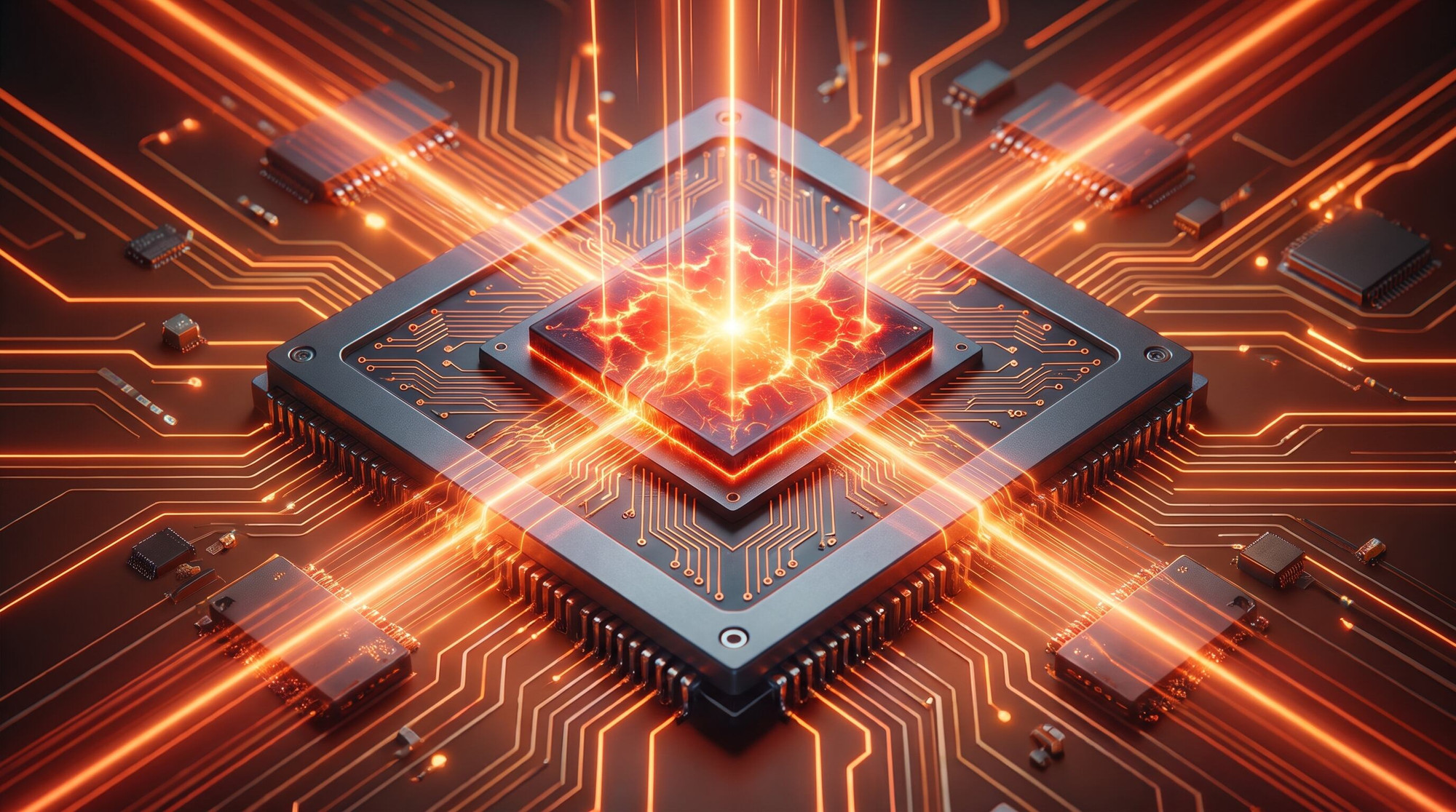
Researchers at MIT have achieved a significant breakthrough in sensing technology, developing an innovative chip capable of transforming invisible mid-infrared light into crucial information. This new device moves beyond the limitations of previous one-dimensional controls, opening up unprecedented precision in detecting thermal signatures and molecules like methane and propane.
The mid-infrared region is vital for a wide array of applications that extend far beyond human vision. Currently, this light is utilized to locate gas leaks, study Earth's atmosphere, and in sensitive sectors such as defense and aerospace. MIT's new chip promises to enhance these capabilities, offering a more sophisticated and scalable tool for these critical tasks.
To construct this two-dimensional system, the MIT scientists cleverly adapted a technique commonly found in modern displays. They employed two layers of perpendicular copper wires, beneath which they placed a doped silicon layer. This setup precisely generates heat at the cross points, enabling a phase-change material to switch between crystalline and amorphous structures.
Initial tests showed the system could reliably switch on and off. According to Popescu, the mesh architecture demonstrated "high resistance," emphasizing that these materials must be able to change a large number of times, perhaps "tens of thousands or more," without failing.
The mesh architecture showed high resistance and these materials must be able to change a large number of times, perhaps tens of thousands or more, without ceasing to function.
This ingenious method allows for modifying how the material interacts with incident infrared light at the pixel level. Furthermore, the silicon integrates a "diode selector" designed to prevent unwanted currents from leaking into neighboring pixels, a critical technical detail for the system's accuracy and stability.
Scalability stands out as one of this innovation's key strengths. Researcher Hu indicated that their calculations suggest this architecture could expand to handle "millions of pixels" without suffering from involuntary current issues. The "crossbar architecture," while not invented by the team, is central to this scalability, marking its first application to active phase-change metasurfaces for two-dimensional pixel-level control, a long-sought goal in the field.
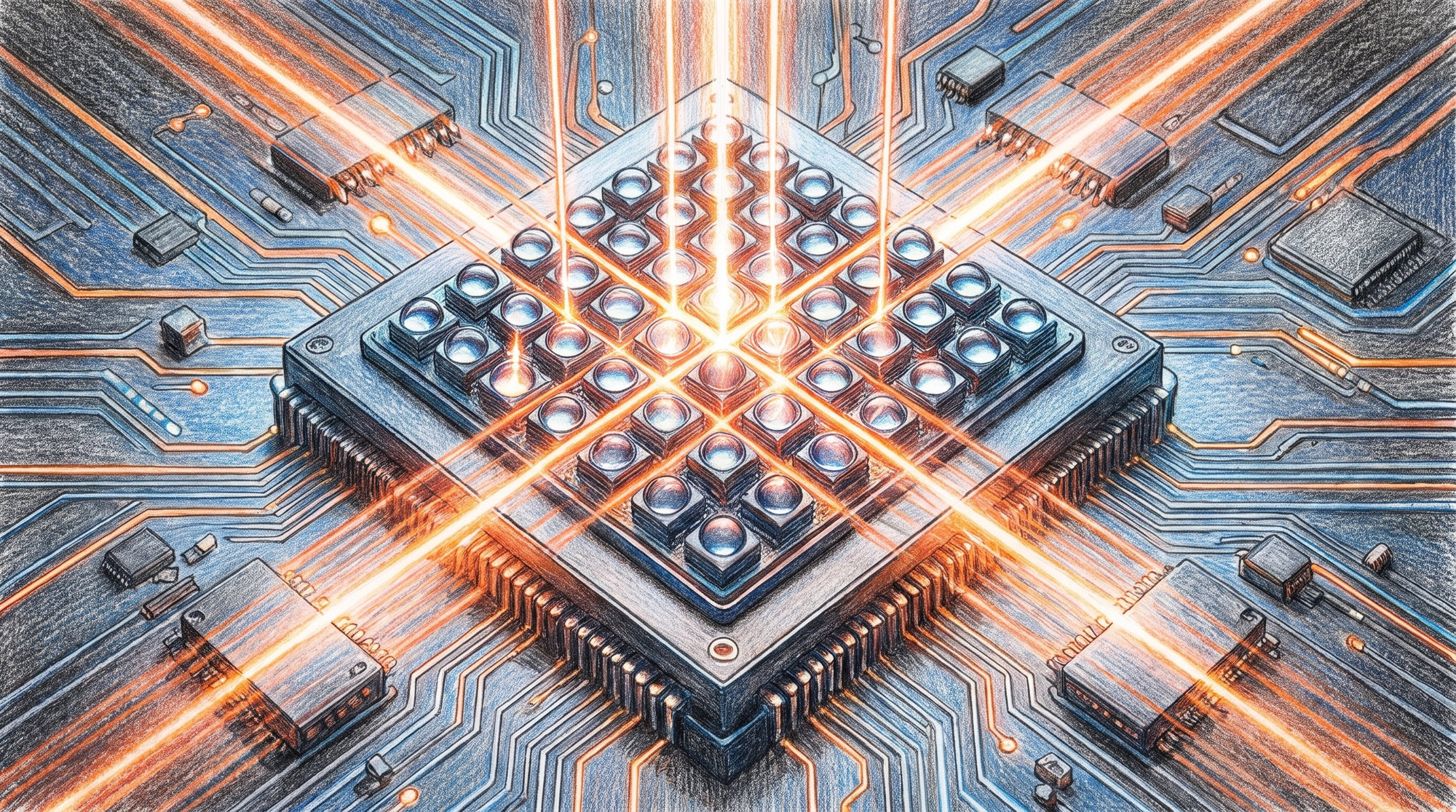
The development of this prototype, a six-by-six pixel metasurface array, was made possible through the cutting-edge equipment at the MIT.nano nanofabrication center and collaboration with a semiconductor chip factory. This joint effort underscores the importance of specialized infrastructure in translating laboratory research into tangible reality.
Looking ahead, MIT researchers are already planning how to transition this prototype to mass production. They believe that partially integrating the design into current semiconductor manufacturing processes is crucial. Hu emphasized that "chip foundry manufacturing" is decisive for ensuring a consistent and efficient large-scale process, allowing each component to be incorporated within a single, streamlined fabrication sequence.
Currently, the team is focused on increasing the number of pixels in the array and developing even more robust versions capable of capturing greater amounts of infrared information. The vision is that, with "prior information about what one is trying to find," such as searching for a person in a dark room or specific features within an image, the system could be configured to "highlight exactly those characteristics."
This breakthrough also holds profound implications for computing. Other research has already explored using metasurfaces to emulate "computational neural networks," the foundation of artificial intelligence systems. This MIT development could enable more efficient forms of "optical computing," where metasurfaces encode "neural network learning parameters," known as "weights," and light, as it passes through the material, facilitates the inference of computational results. While these applications might take longer to consolidate, the potential is immense.
The project received partial support from key institutions including the U.S. Air Force, the U.S. National Science Foundation, the Korea National Research Foundation, and the Draper Scholar program. This financial and strategic backing clearly indicates the relevance and potential impact of this technology across diverse fields, from security to scientific exploration.
Keep reading online — scan the code
https://go.tricuatro.com/mit-chip
© tricuatro.com
Article topics
Related articles

Tesla Launches Electric Cybertruck Replica for Kids in the US
Tesla introduces its scaled-down Cybertruck for children aged 6 to 12, an electric vehicle priced at USD 1,500, currently exclusive to the US market.

Samsung Galaxy Z Fold 8: "Passport" Design and Specs Leaked
Samsung's upcoming foldable, the Galaxy Z Fold 8, has been fully leaked, revealing a more square design and details on its displays, processor, and battery ahead of its official July launch.

Motorola Launches Moto Tag 2: 600-Day Battery and Magic Button
Motorola's new Moto Tag 2 arrives in the Spanish market, offering a robust AirTag alternative with extended battery life, enhanced durability, and exclusive features for Android users.
Latest news
View all
Assassin's Creed Black Flag Resynced Smashes 3 Million Sales, New Game Plus Announced
Ubisoft's successful re-release of the pirate classic continues to break records, confirming one of the most requested features from the gaming community.

TikTok tests AI tool to protect creators from deepfakes
The video platform is rolling out an opt-in feature allowing users to verify their identity and report unauthorized AI-generated likenesses.

The Batman II Delayed to 2028, New Teaser Freezes Us with Excitement
Warner Bros. Pictures confirmed another delay for 'The Batman' sequel, pushing its release to early 2028, but offset the wait with an intriguing, icy first look.
Comments (0)
No comments yet. Be the first!
Only registered readers can comment.