
A Groundbreaking Norwegian Invention Could Forever Change the Global Water Struggle
Amidst a growing global water crisis, Norwegian scientists have developed an innovative plastic material capable of extracting potable water from the air, even in low-humidity conditions, offering a promising solution for the planet's most arid regions.
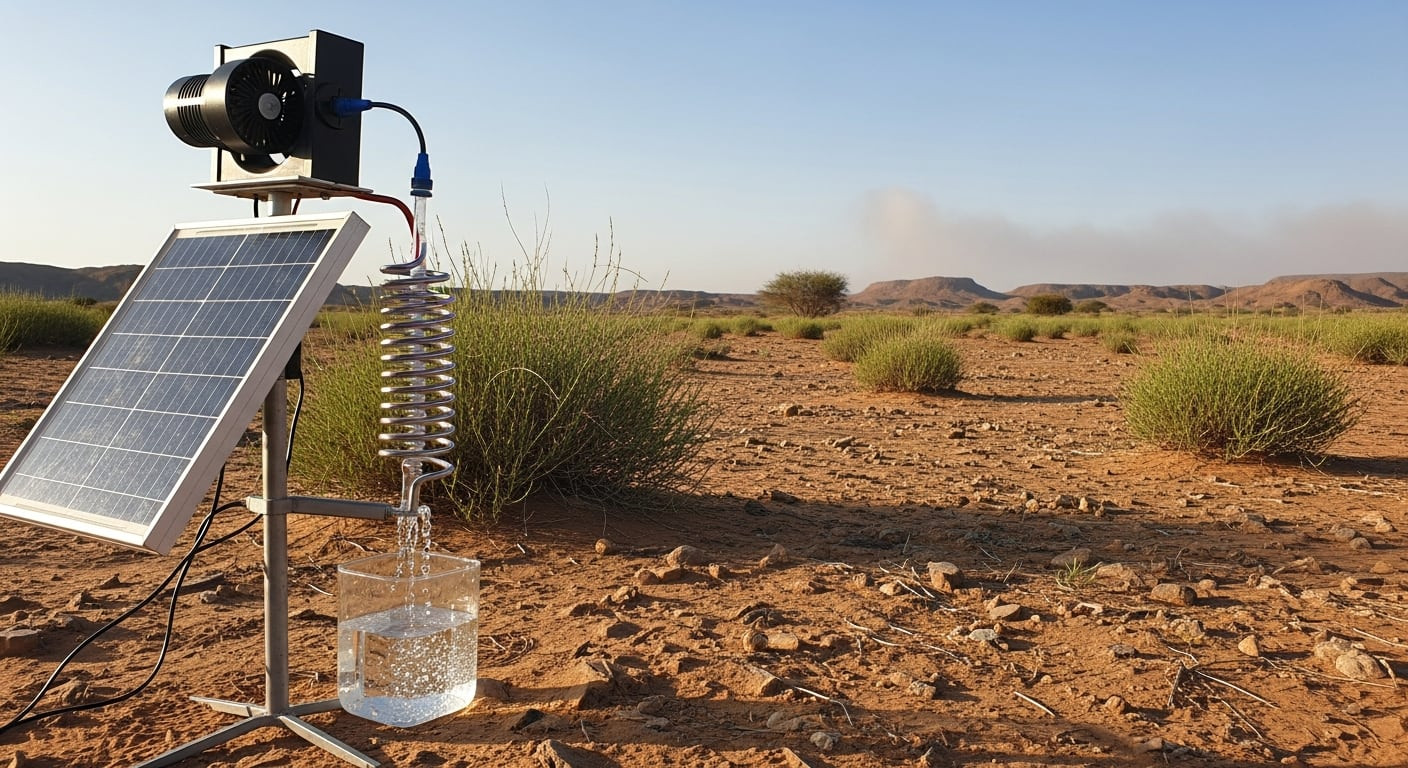
The potable water crisis stands as one of the most significant threats facing humanity in the 21st century. With nearly 2 billion people globally affected, according to data from the World Health Organization (WHO) and UNICEF, and constant pressure from climate change and population growth, the search for innovative solutions is more urgent than ever. In this critical scenario, a team of researchers from the Norwegian University of Science and Technology (NTNU) and the SINTEF research center has unveiled a breakthrough that could be a game-changer: a new plastic material capable of extracting water from the air, even in low-humidity environments, a feat reported by the scientific portal Norwegian SciTech News.
The Science Behind Atmospheric Water Harvesting
This Norwegian invention is based on a state-of-the-art absorbent polymer, whose functionality is comparable to materials used in disposable diapers, but with a far more profound application. Its intelligent design combines a soft elastomer with a highly absorbent polymer, creating a structure capable of capturing and retaining large volumes of atmospheric moisture. The key to its effectiveness lies in its internal microstructures, which act as microscopic “magnets” to attract and fix water molecules present in the air. Once saturated, the material releases the captured water through the application of heat, allowing for its collection, storage, and subsequent use as potable water. This process represents a significant improvement over existing technologies, which, as Roberto Mennitto, principal investigator at SINTEF, points out, are often inefficient and costly in environments with less than 50% humidity, limiting their application precisely where they are most needed.
Addressing the Global Water Crisis with Innovation
The relevance of this technology is magnified when considering the global landscape of water scarcity. The water crisis, which was a central topic at the international COP30 conference in Brazil, demands solutions that transcend current limitations. Arid regions and the most vulnerable populations suffer the most severe consequences of a lack of access to safe drinking water. Traditional atmospheric water generators, which rely on condensation through air cooling, often incur high energy costs, especially in dry climates. The material developed by NTNU and SINTEF, by operating effectively in low-humidity conditions and with a simple, controllable water release process, offers a viable and sustainable alternative for these regions where other technologies have failed.
Advantages and Versatility of a Transformative Material
Beyond its ability to operate in low-humidity conditions, the new Norwegian polymer presents a series of advantages that position it as an ideal candidate in the fight against water scarcity. Roberto Mennitto highlighted to Norwegian SciTech News that the material's production cost is low, thanks to the use of affordable raw materials and a simple manufacturing process. This economic efficiency is crucial for ensuring the accessibility and scalability of the solution in the communities that need it most. Furthermore, its versatility is remarkable: the material can be presented in various forms, from sheets and coatings to complex parts obtained by 3D printing. An additional aspect that underscores its potential is the possibility of manufacturing it from biomass, which not only expands its applications but also significantly reduces its environmental impact, aligning with the principles of a circular and sustainable economy.
Potential Impact and the Future of Water Access
The development of this material represents a monumental step forward in the search for solutions to water scarcity. Its ability to efficiently and cost-effectively capture potable water from the air in arid regions could transform the lives of millions of people who currently lack access to this vital resource. By offering a decentralized and adaptable water source, this Norwegian invention has the potential to empower entire communities, reduce reliance on distant or contaminated water sources, and mitigate water-related conflicts. It is a testament to the power of scientific innovation to address the most pressing challenges of our time, opening a new chapter in the global struggle to ensure the fundamental human right to clean drinking water for all.
Article topics
Related articles

Humanoid Robot Pemba Climbs Chimborazo, Sets Sights on Everest Summit
The humanoid robot Pemba, an adaptation of the Unitree G1, recently ascended over 6,000 meters on Chimborazo and now aims to conquer Mount Everest. This technological feat paves the way for new forms of exploration in extreme environments.

Artemis III Progresses to Moon with Crucial Challenges and Mars Ambitions
NASA's Artemis III mission aims for a sustained human presence on the Moon, navigating delays in space suit development and technical hurdles with partners SpaceX and Blue Origin.

Stanford's STEHM Model Optimizes Search for Habitable Exoplanets
Stanford University introduces STEHM, a new tool that filters exoplanets based on their ability to maintain stable atmospheres, a key condition for life.
Latest news
View all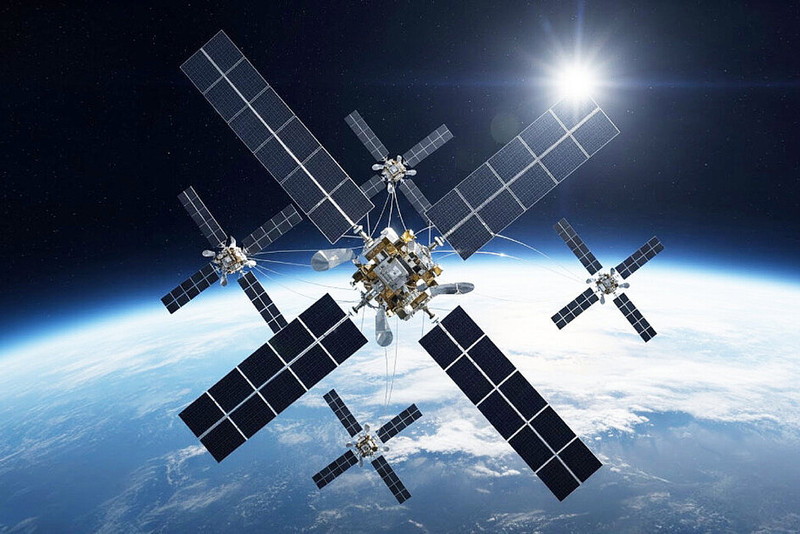
Elon Musk Plans Space Data Centers to Ease AI Energy Crisis
The escalating energy demand for artificial intelligence and terrestrial data centers is driving SpaceX to explore space-based solutions, with Starship being key to economic viability.
US Government Suspends Access to Anthropic's Fable 5 and Mythos 5 AI Models
A national security directive forces Anthropic to disable its advanced AI models, Fable 5 and Mythos 5, for all customers starting June 12, 2026.

Google Launches Gemini 3.5 Live Translate for Instant Voice Translation
Google expands real-time translation availability with Gemini 3.5 Live Translate, offering lower latency and support for over 70 languages.
Comments (0)
No comments yet. Be the first!
Leave a comment