
The Hidden Risk of Plastics: Phthalates Linked to Preterm Births and Infant Mortality
A recent study published in eClinicalMedicine suggests a possible association between exposure to phthalates, common plastic chemicals, and a significant increase in preterm births and neonatal deaths globally, including Latin America.

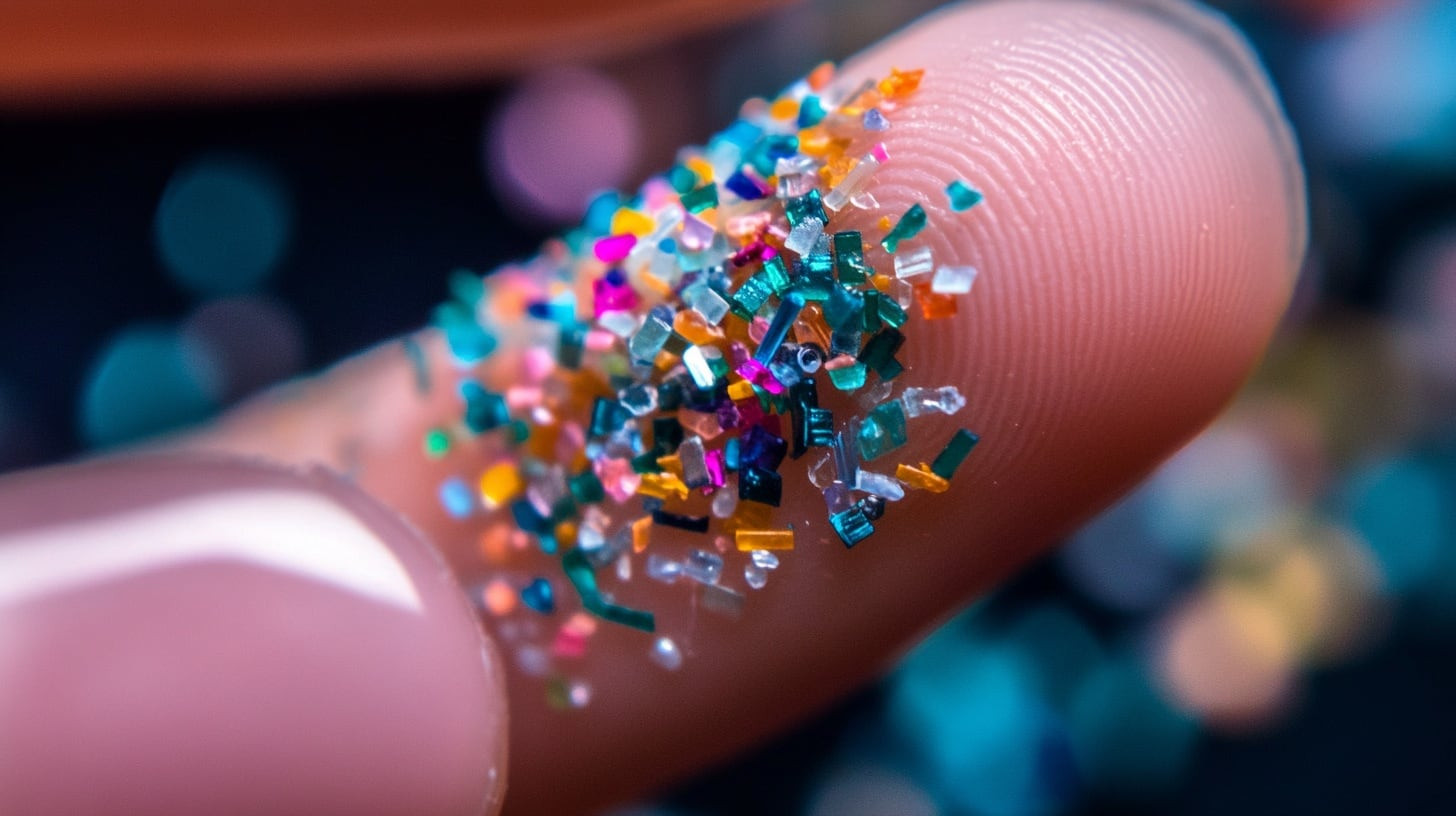
The Hidden Impact of Plastics on Prenatal Health
The ubiquitous presence of plastic products in our daily lives, from water bottles and children's toys to shower curtains, may be exerting a silent yet profound impact on the health of babies even before birth. Recent research led by scientists at New York University has posited a possible association between certain chemical compounds used to make plastics flexible and an alarming increase in preterm births and neonatal deaths worldwide. Published in the esteemed journal eClinicalMedicine, part of The Lancet Discovery Science, the study emphasizes that while a concerning correlation has been identified, it has not yet demonstrated a direct causal link between these compounds and premature births. Nevertheless, the findings raise serious questions about the safety of our constant exposure to these materials.
Phthalates: What They Are and Why They Are a Concern
At the heart of this concern are phthalates, specifically DEHP and DiNP. These chemicals are pervasive in modern life, incorporated into a vast array of products to impart flexibility and durability, preventing plastics from becoming rigid or brittle. They are commonly found in food packaging, children's toys, medical devices, and a multitude of household items. The primary worry stems from the fact that phthalates do not remain static within objects; they possess the ability to migrate and be absorbed by the human body. The researchers explained that this migration into the body can “affect pregnancy development,” potentially leading to births that occur before term and, consequently, to infants with lower chances of survival and higher health risks.
Global and Regional Figures: A Public Health Alert
The study aimed to quantify the extent of this potential association, revealing figures that prompt serious reflection. The researchers detected that, in 2018 alone, exposure to DEHP and DiNP phthalates was linked to nearly two million preterm births globally. Even more alarmingly, over 70,000 newborn deaths were estimated to be associated with this exposure during the same period. It is important to note that the researchers themselves acknowledged that the actual impact could vary, potentially being several times lower or even somewhat higher, depending on the scenarios and evaluation models used. These figures, though estimates, paint a picture of a public health problem of considerable magnitude with global implications.
The Landscape in Latin America: Estimates and Challenges
The research also placed a particular focus on Latin America, where estimates suggest a significant impact. It was calculated that in the region, there were over 111,000 preterm births that could be related to DEHP phthalate exposure, and nearly 157,000 associated with DiNP. Regarding neonatal mortality, the figures are equally concerning, with estimates of over 3,000 newborn deaths linked to DEHP and over 4,200 to DiNP in the region. However, it is crucial to understand that these figures for Latin America result from extrapolations. The data was based on information from other regions, primarily the United States, which could affect the precision and specificity for each Latin American country. This methodology underscores the necessity for localized studies.
Study Methodology and Its Key Limitations
The team behind this research comprised Sara Hyman, Jonathan Acevedo, and Leonardo Trasande, all affiliated with the NYU Grossman School of Medicine and the Wagner School of Public Service. For their analysis, they examined information from 203 countries, utilizing data provided by the Institute for Health Metrics and Evaluation. The study received funding from Beyond Petrochemicals and the U.S. National Institutes of Health. Despite the thoroughness of the analysis, the researchers were transparent about its limitations. They pointed out the lack of direct monitoring data and emphasized that the figures presented are derived from estimates. Furthermore, the analysis did not adjust for crucial factors such as access to prenatal care or pre-existing maternal conditions, which are well-known to significantly influence the risk of preterm birth.
Towards a Safer Future: The Need for Local Research
Given the nature of the estimates and methodological limitations, the researchers have issued a clear recommendation: the urgent need for local and specific studies in various regions. These studies are fundamental to gaining a more precise understanding of the real risk and prevalence of phthalate exposure in each geographical and socioeconomic context. The concern is even greater in countries in South Asia, the Middle East, and Africa, where the problem could be more severe due to differing regulations and exposure patterns. Ultimately, this study serves as a wake-up call for global public health, urging further research, monitoring, and potentially, a review of policies regarding the use of phthalates in consumer products, in order to protect the health of future generations.
Keep reading online — scan the code
https://go.tricuatro.com/ZjxTD
© tricuatro.com
Article topics
Related articles

SpaceX Scrubs Starship Test Flight in South Texas
Computer systems detected an anomaly during the Super Heavy booster's engine startup sequence, forcing the mission's abort.

JAXA's RV-X Reusable Rocket Successfully Completes First Flight
Japan's space agency JAXA successfully tested its RV-X prototype, a critical step towards reducing costs and boosting competitiveness in the global space market.
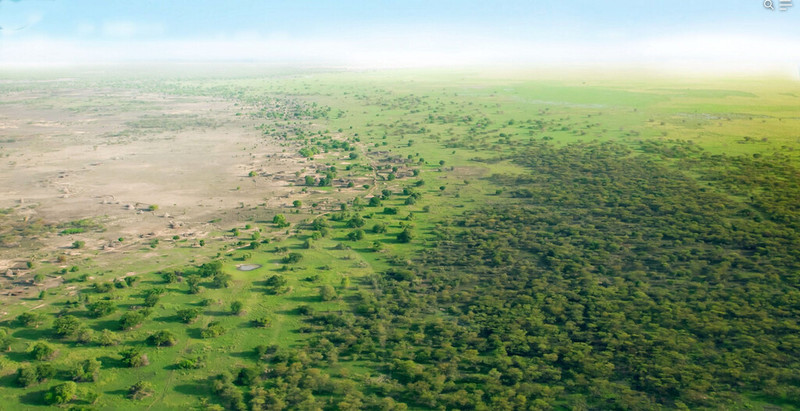
China's Great Green Wall: Artificial Forests Outpace Natural Growth
China planted 66 billion trees over nearly half a century to combat desertification, and a new study shows they grow faster than natural forests, albeit with important nuances.
Latest news
View all
MIT Chip Converts Invisible Infrared Light into Crucial Data
MIT researchers developed an innovative chip detecting methane and propane using mid-infrared light, with potential for millions of pixels and optical computing.

Assassin's Creed Black Flag Resynced Smashes 3 Million Sales, New Game Plus Announced
Ubisoft's successful re-release of the pirate classic continues to break records, confirming one of the most requested features from the gaming community.

TikTok tests AI tool to protect creators from deepfakes
The video platform is rolling out an opt-in feature allowing users to verify their identity and report unauthorized AI-generated likenesses.
Comments (0)
No comments yet. Be the first!
Only registered readers can comment.