
Stanford merges two major AI programs to boost research efforts
Stanford University recently announced the merging of two of its leading AI initiatives, aiming to accelerate advancements in the field.
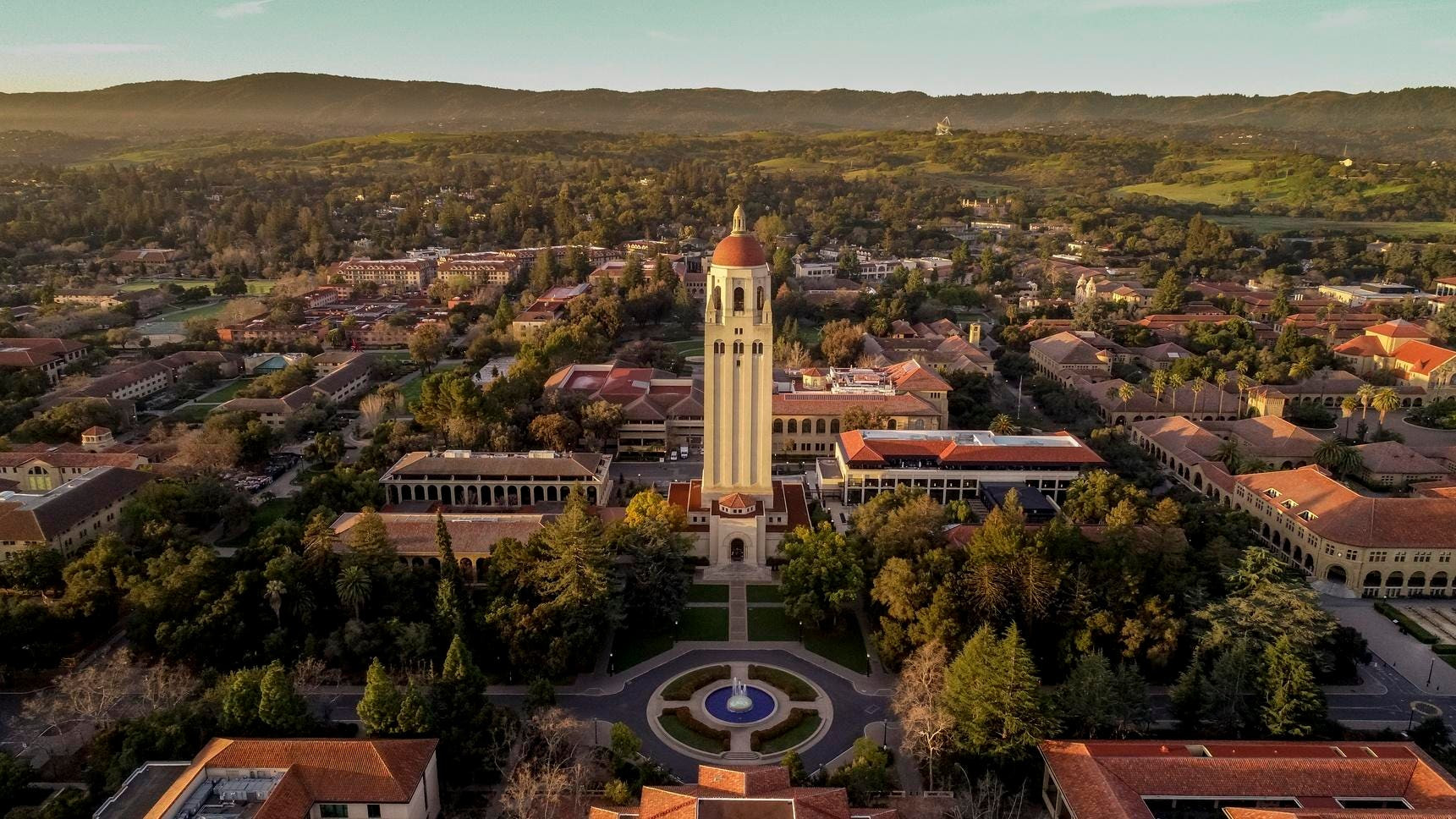
Stanford University has announced the merging of two of its most important artificial intelligence programs. The move aims to strengthen collaboration between teams and optimize resources to drive innovation in AI.
Previously operating independently, these programs will now work together under a unified structure. The initiative seeks to speed up research and develop new AI applications across various sectors.
This consolidation reflects the growing importance of AI in science and technology. Stanford has long been a leader in machine learning models and talent development in this area.
The move also aligns with a broader trend among academic institutions to join forces to tackle the challenges and opportunities AI presents. Sharing data, resources, and expertise will likely lead to greater impact in innovation ecosystems.
Specific projects involved in the merger have not been disclosed, but significant progress is expected in the coming months.
Article topics
Related articles
US Government Suspends Access to Anthropic's Fable 5 and Mythos 5 AI Models
A national security directive forces Anthropic to disable its advanced AI models, Fable 5 and Mythos 5, for all customers starting June 12, 2026.

Google Launches Gemini 3.5 Live Translate for Instant Voice Translation
Google expands real-time translation availability with Gemini 3.5 Live Translate, offering lower latency and support for over 70 languages.
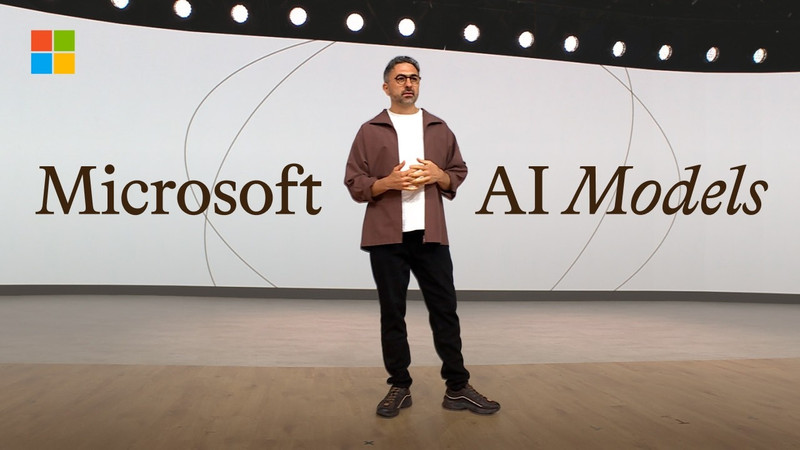
Microsoft Unveils Seven New AI Models with Human-Centric Superintelligence Vision
Microsoft introduces a powerful family of seven AI models spanning image, voice, and code, designed to empower developers and organizations with a strong ethical foundation.
Latest news
View all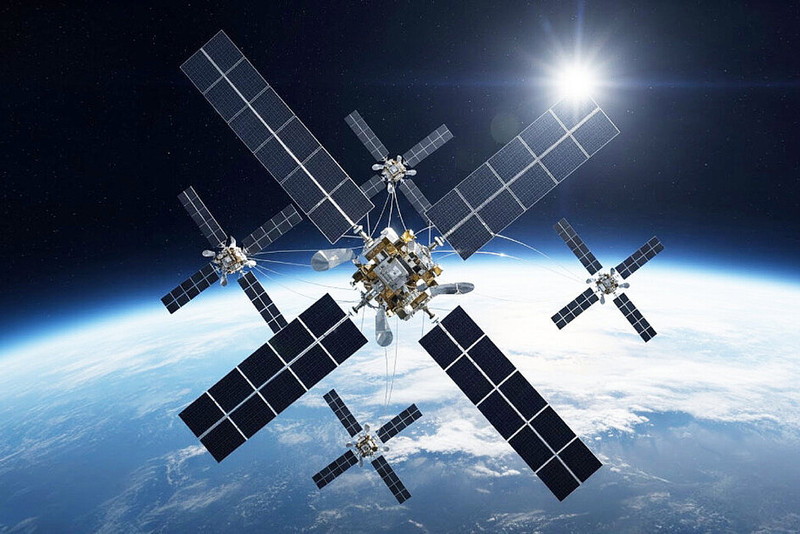
Elon Musk Plans Space Data Centers to Ease AI Energy Crisis
The escalating energy demand for artificial intelligence and terrestrial data centers is driving SpaceX to explore space-based solutions, with Starship being key to economic viability.
Windows 95 Runs on Texas Instruments Graphing Calculator
A modder successfully ported Windows 95 to a TI-Nspire CX II, showcasing modern calculator hardware capabilities.

Humanoid Robot Pemba Climbs Chimborazo, Sets Sights on Everest Summit
The humanoid robot Pemba, an adaptation of the Unitree G1, recently ascended over 6,000 meters on Chimborazo and now aims to conquer Mount Everest. This technological feat paves the way for new forms of exploration in extreme environments.
Comments (0)
No comments yet. Be the first!
Leave a comment